Ministers brace for major riots amid deepening cost of living crisis linked to Iran war
Ministers are preparing for significant unrest in response to the ongoing conflict in Iran, which has exacerbated the cost of living crisis in the UK, reports BritPanorama.
Emergency COBR meetings have been convened to formulate plans to address anticipated widespread demonstrations spurred by rising prices and shortages of essential goods, including fuel. The situation has created a volatile backdrop, with government officials worried about potential civil disturbances.
The government is particularly alert to possible “stop the war” protests similar to those seen in previous instances of conflict, particularly in areas with substantial Muslim communities. These developments come as economic pressures heighten, leading to public dissatisfaction with the government’s handling of the crisis.
Communities Secretary Steve Reed has been tasked with overseeing “community cohesion” as the war leads to rising ethnic tensions within the country. A government spokesperson stated that while they do not publicly discuss details from COBR meetings, it is standard practice to maintain contingency plans for a wide range of scenarios.
In financial projections, retail leaders indicated that even if a ceasefire were achieved, high energy prices would likely continue to drive up costs of food and other essentials. Recent data from the Food & Drink Federation predicts that food inflation could reach at least nine percent by year’s end.
Andrew Opie of the British Retail Consortium noted, “Higher shipping, fertiliser, insurance, and commodity costs will all continue to feed into inflation, compounding domestic and policy-related costs already affecting businesses.” This reflects a broader concern about persistent inflationary pressures as the conflict wears on.
Kallum Pickering, chief economist at Peel Hunt, emphasized that even with a cessation of hostilities, the economic repercussions of the conflict have already taken root. “Expect higher inflation in the second half of the year and slower growth for major parts of the global economy compared to the pre-war outlook,” he warned.
Although financial markets are now predicting only a single interest rate rise from the Bank of England this year, down from initial forecasts of three, many households are already facing increased financial burdens due to steep mortgage rates affecting 1.3 million borrowers.
Impact of ceasefire
No quick fix on petrol & diesel
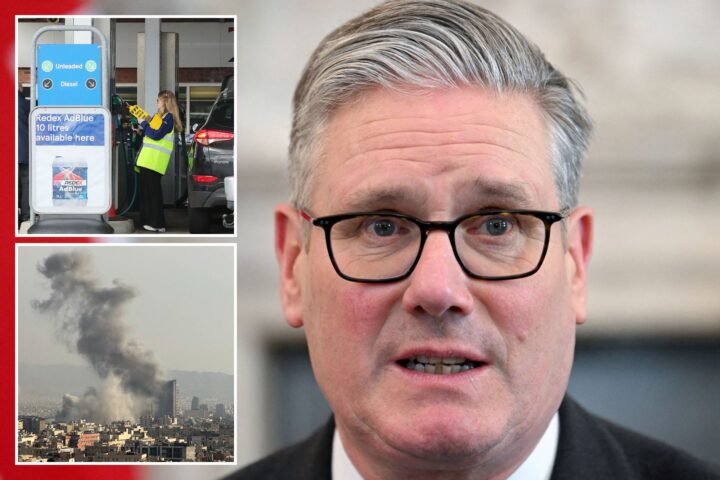
Diesel and petrol prices are at their highest since late 2022. Industry experts warn that oil prices must remain low for several weeks to see any significant reductions in wholesale costs.
Mortgage rates costing more
Predictions indicate just one additional interest rate increase this year, as opposed to three, as the Bank of England responds to rising inflation.
Shopping won’t be dropping
Forecasts suggest that food inflation may reach nine percent by the end of 2026, with current economic conditions preventing decreases in retail prices.
£300 hit fear on energy bills
Despite a recent fall in gas prices, they are still significantly higher than pre-war levels. Ofgem’s expected price cap review could lead to an additional £300 annual hit for typical households.
Holiday flight prices take off
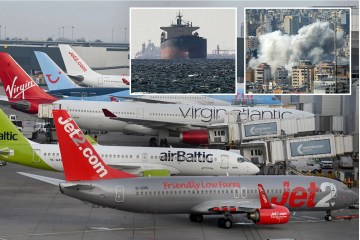
The impact of higher jet fuel costs, coupled with ongoing supply concerns, signals rising fares for passengers in the months to come.
Pension pots recovering
Pension pots benefitted from a recent uptick in the FTSE 100, but experts caution that long-term stability hinges on a lasting peace deal within the region.
The government’s approach will be tested in the coming weeks as it seeks to balance public unrest, economic management, and the ramifications of international conflict.