UK considers temporary asylum policies inspired by Denmark
MIGRANTS could be granted temporary asylum with the understanding that they return to their home countries when it is safe, as part of a stringent crackdown under consideration by UK ministers, reports BritPanorama.
The proposal reflects Labour’s interest in Denmark’s approach to managing mass immigration, which has included measures to limit refugees’ stays in the country. Home Secretary Shabana Mahmood is actively evaluating these hardline policies.
Support for this initiative has emerged from within the Labour Party, notably from Gareth Snell, the MP for Stoke-on-Trent Central. He articulated the importance of providing asylum seekers the opportunity to return home and contribute to rebuilding efforts in their countries, citing the situation in Ukraine as an example of this principle.
Snell expressed concerns regarding Denmark’s substantial financial incentives for refugees to return, indicating that large payments were unlikely to be well-received by constituents. “I don’t think that’s something that my constituents would support,” he stated.
Mahmood is expected to announce a comprehensive overhaul of Britain’s immigration rules later this month, aiming to address the complexities of migration in a manner similar to policies in Denmark. Among these considerations are stricter conditions for family reunification, where both applicants and their partners must meet age and residency criteria, and pass language tests.
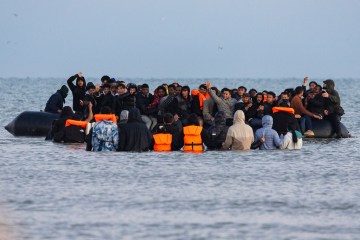
Furthermore, recent statistics reveal that approximately 650 individuals crossed the Channel in small boats on a single day, contributing to a total of 38,223 arrivals so far this year.
These developments indicate a significant shift in the UK’s immigration strategy as ministers seek to balance humanitarian responsibilities with the pressures of public opinion regarding immigration and border control.
In the context of growing public concern over immigration, this policy shift underscores the tensions between humanitarian obligations and national sentiment. As governments navigate these complex waters, the effectiveness of such policies will likely be scrutinized both domestically and internationally.