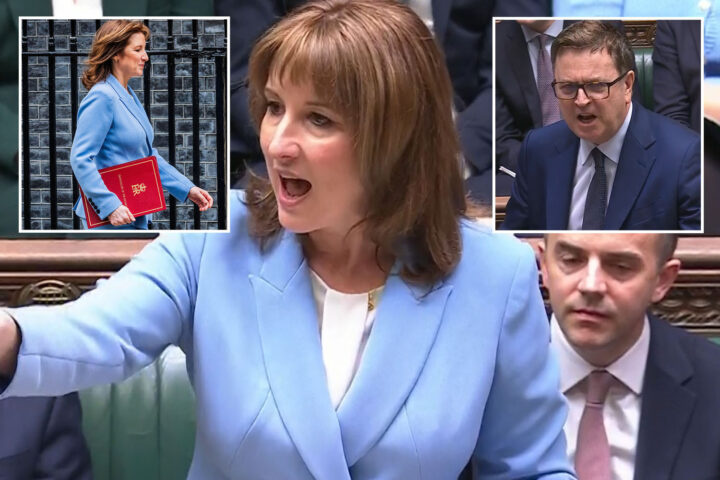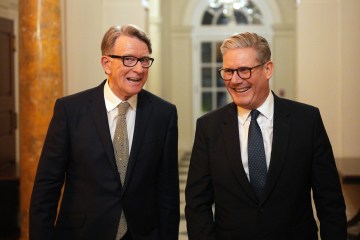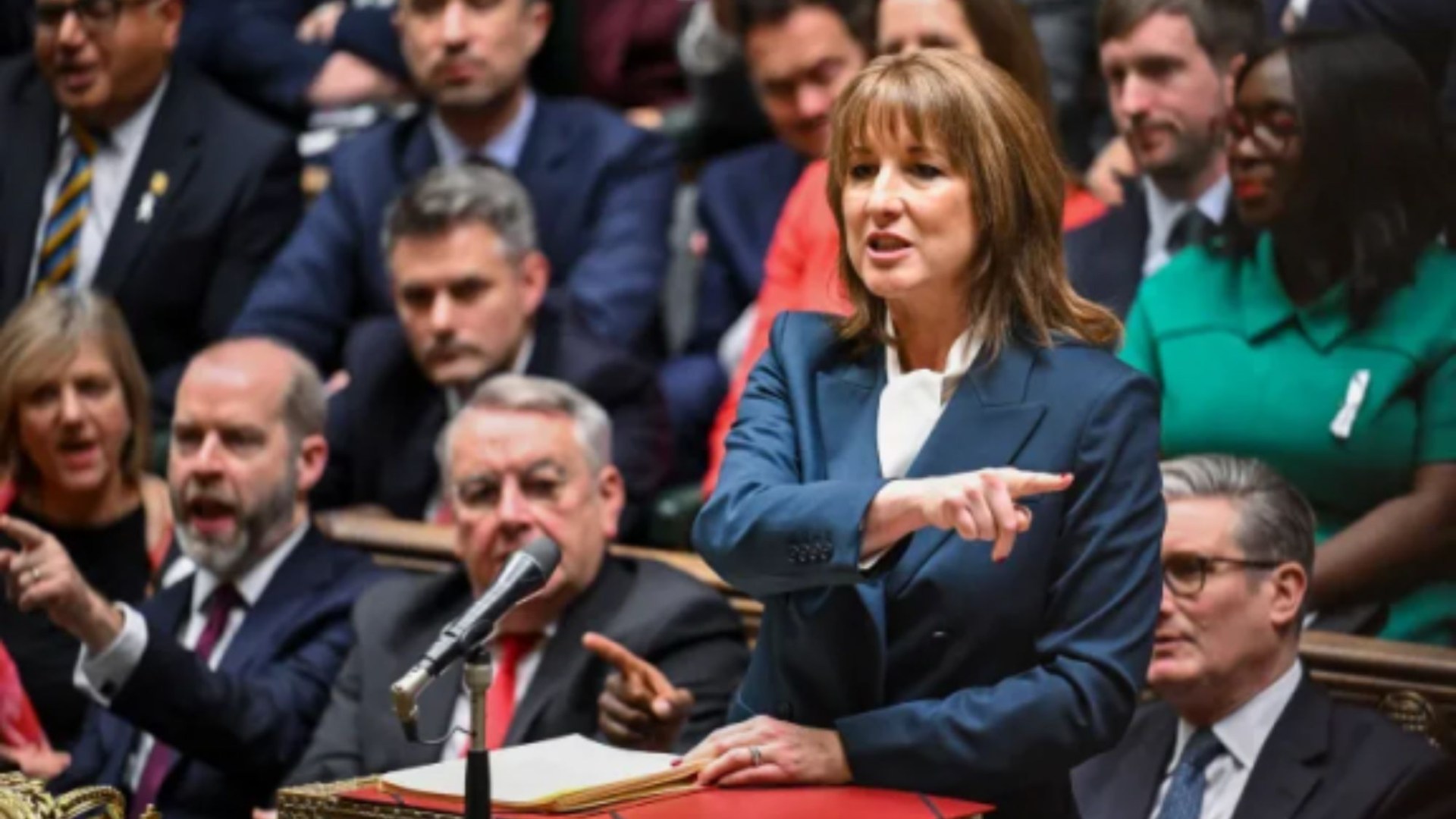
Ministers have accused Rachael Reeves of misleading the cabinet regarding tax increases after she faced allegations of creating a £30 billion “black hole” deficit. The Chancellor stated that the recent Budget changes were “out of my control” and confirmed that Sir Keir Starmer had approved the significant tax adjustments, reports BritPanorama.
During a press briefing on November 4, Reeves unveiled a substantial £26 billion package of tax increases, which has drawn sharp criticism from her colleagues. She suggested that working people would need to contribute more to address the fiscal challenges facing the nation.
Despite her warnings of “tough decisions,” a letter from the Office for Budget Responsibility (OBR) revealed that the real financial gap was only £2.5 billion as of September 17. By October 31, the OBR indicated that the projected deficit had dissipated entirely, replaced by a £4.2 billion surplus, leading to calls for her resignation amidst claims that she fabricated the “fiscal black hole” to justify her tax hikes.
Critics have remarked on the lack of transparency surrounding the OBR’s findings, claiming that key cabinet members were not informed of the updated forecasts. One cabinet minister questioned why Starmer and Reeves allowed public misunderstanding regarding a potential income tax increase that was later deemed unnecessary.
Approximately one million individuals are projected to be pushed into higher income tax brackets due to the reversal of earlier pledges to end threshold freezes. Reeves has denied any wrongdoing or deception in her communications with the public, claiming she was candid about the necessity of tax increases.
In addressing accusations about misleading the public, she stated on Sky News, “Of course I didn’t.” She revealed that the Prime Minister was informed of her fiscal decisions and reiterated that they regularly discussed the Budget and its implications.
Reeves has defended her narrative, stating that she aimed to reduce both national debt and borrowing. “I’m very proud of the choices we made to cut waiting lists, reduce inflation, and build economic resilience,” she commented, maintaining that she provided clarity about tax hikes.
The situation has sparked widespread debate within political circles, with critics, including Tory leader Kemi Badenoch, insisting that Reeves must resign due to alleged falsehoods to the public. The discourse reflects a broader issue of trust in governmental fiscal policy, as voters express frustration over perceived misrepresentation.
The Budget’s specifics included measures such as freezing fuel duty and significant increases in welfare spending, all amidst a cautiously optimistic economic outlook, which now anticipates a £4.2 billion surplus after previously forecasted deficits.
In summary, the emerging narrative highlights a significant disconnection between government communications and the realities presented by financial oversight bodies, raising critical questions about accountability and transparency in fiscal policymaking.
The current situation underlines a growing concern around political accountability and trust. As fiscal challenges mount, the government must find a way to communicate choices honestly to regain public confidence. Any divergence from this principle risks a complete disengagement of the electorate, complicating future governance.