Ed Miliband faces accusations of hypocrisy over energy appointment
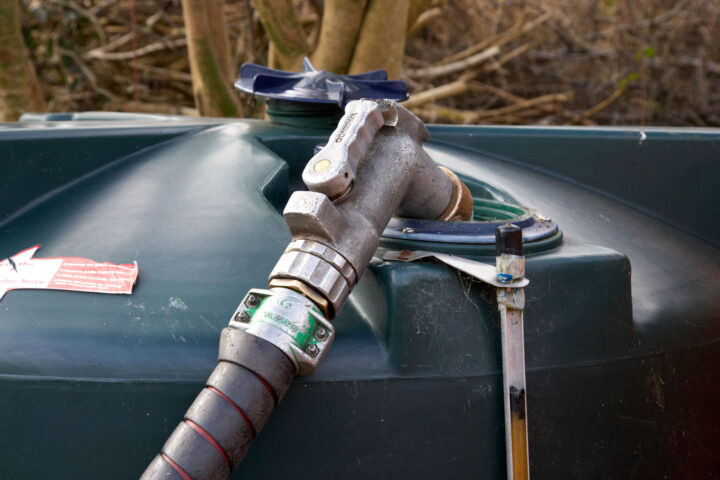
Ed Miliband is facing criticism after appointing Jonathan Brearley, the current head of energy regulator Ofgem, to lead the Department for Net Zero, despite Brearley heating his home with an oil boiler, reports BritPanorama.
This controversy arises as Brearley advocates for energy strategies that promote electric vehicles and heat pumps, which can be expensive for average households. Critics argue that his personal reliance on oil contradicts the very policies he is expected to champion.
Richard Tice, the energy spokesman for Reform, characterized Brearley’s actions as hypocritical, stating, “The incoming permanent secretary using an oil boiler while pushing extortionate heat pumps on to the public shows that those in charge don’t believe the drivel they are forcing on everyone else.” He further asserted that this reflected a double standard in Labour’s approach to energy policy.
Similarly, Tory shadow energy minister Andrew Bowie remarked that this situation exacerbates the perception of Labour’s hypocrisy regarding its Net Zero agenda. He emphasized that individuals should have the autonomy to choose how to heat their homes without facing financial burdens from government-mandated upgrades.
In contrast, Mike Foster, the CEO of the Energy and Utilities Alliance, noted that the financial viability of heat pumps often does not favor homeowners, particularly in older houses. While a traditional gas boiler installation can range from £2,500 to £5,000, the cost of an air-source heat pump can be significantly higher, from £8,000 to £18,000, albeit supported by government grants of up to £7,500.
In response to the allegations, Ofgem stated that Brearley has transitioned much of his energy use to cleaner solutions, including solar panels and an electric vehicle, yet acknowledges the necessity of heating oil for part of his residence. This statement aims to clarify Brearley’s energy choices amidst growing scrutiny.
This incident underscores the complexities faced by policymakers in the UK’s shift towards cleaner energy and the intricate balance between idealism and practicality in public policy.