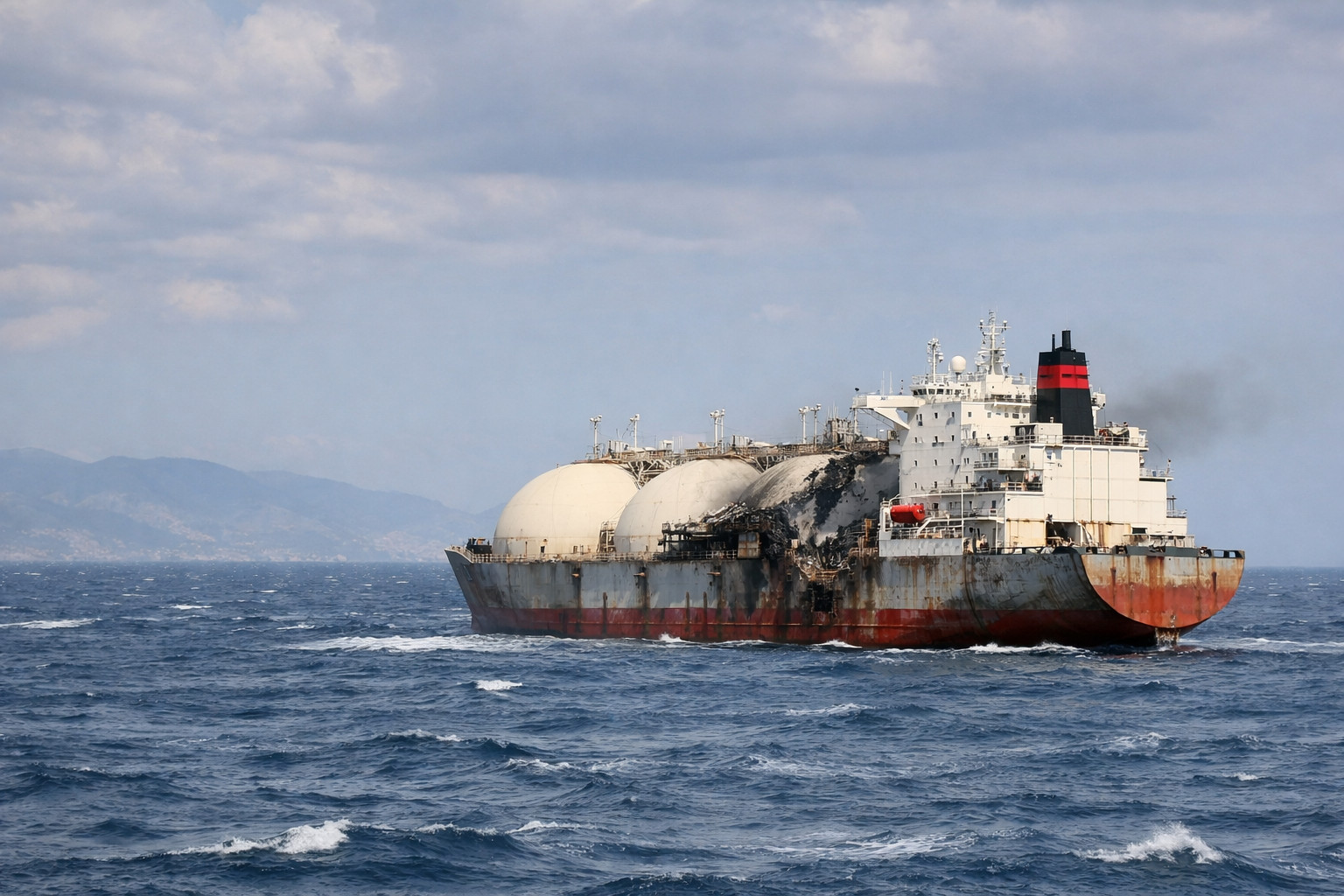
Greece and Malta have refused to back a European Commission initiative that would replace the current price cap mechanism with a full prohibition on maritime transportation of Russian oil, expressing concerns about detrimental effects on Europe’s shipping sector and energy costs.
Commission’s Proposal Faces Resistance
The European Commission’s plan to shift from a price ceiling to an outright ban on shipping services for Russian crude has encountered opposition from two member states with significant maritime industries. Both nations have demanded clarifications from EU leadership regarding the potential listing of foreign ports that handle Russian oil and enhanced controls on vessel sales. Their stance reflects apprehension that such measures would disproportionately harm their shipping sectors and could lead to increased energy prices across the continent.
Existing Sanctions Framework
Since December 2022, the EU and G7 nations have maintained a $60 per barrel price cap on Russian oil in response to Moscow’s full-scale invasion of Ukraine. In early 2026, EU authorities decided to lower this ceiling from $47.6 to $44.1 per barrel, with the new restriction taking effect on 1 February. Third countries are permitted to purchase Russian oil from European companies only if they adhere to this established price limit, a mechanism now under review for potential replacement by stricter measures.
Industry Concerns and Economic Impact
The governments of Greece and Malta argue that a comprehensive shipping ban would negatively impact European maritime logistics and could destabilise energy markets. They maintain that their shipping industries provide essential services within the existing sanctions framework and that a blanket prohibition would cause significant economic disruption. The debate highlights the tension between enforcing robust sanctions against Moscow and protecting strategic European economic interests.
Broader Sanctions Implications
Analysts suggest that maintaining access to Greek and Maltese logistical capabilities allows Russia to preserve a crucial channel for financing its war effort. The continuation of transport services effectively undermines other restrictive measures implemented by the EU. Furthermore, partial measures increase the risk of a expanding shadow fleet operating outside regulated channels, combining legal opportunities with grey-area schemes to increase oil shipment volumes rather than reducing them.
EU Unity Under Strain
The resistance from Athens and Valletta threatens to encourage other member states to seek individual exemptions, potentially diluting the overall effectiveness of EU sanctions policy. This development signals that internal consensus within the bloc remains fragile regarding energy sanctions, with collective action being essential for meaningful pressure on Moscow. The situation demonstrates that Western pressure must address both external targets and internal veto players within the European Union to maintain a coherent sanctions regime.