Majority of Brits believe country is on wrong track, poll reveals
Most Brits think the UK is “screwed,” with a recent poll indicating that 64 per cent believe the country is “on the wrong track,” while only 36 per cent say things are going well, reports BritPanorama.
In a slight ray of optimism, however, nearly three-quarters (72 per cent) expressed that the UK could change direction under the right leadership from No10. This sentiment reflects a desire for a shift amidst widespread dissatisfaction.
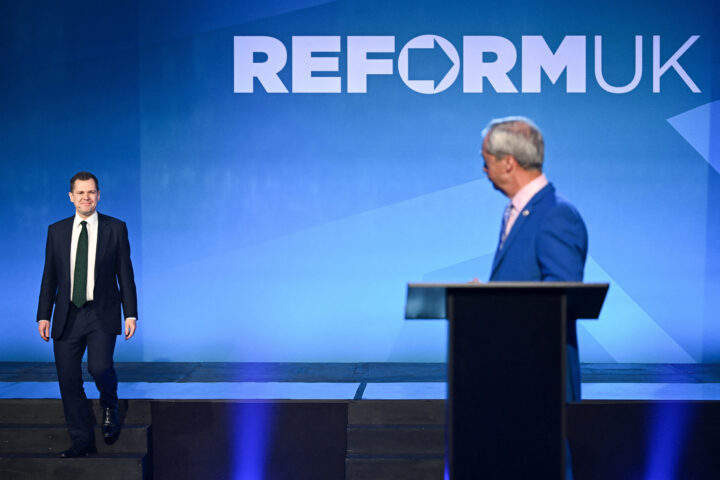
Voter trust appears split regarding which political party can be relied upon to steer the country out of its current predicament. The Reform party, led by Nigel Farage, is viewed as the most capable of addressing the ongoing cost of living crisis, receiving 23 per cent support. Labour follows closely at 20 per cent, while just 17 per cent back the Conservatives.
When it comes to expectations around wage increases, Labour led with 27 per cent of respondents supporting Keir Starmer’s party, compared to 21 per cent for Reform and 16 per cent for the Conservatives. On the issue of economic growth, the Conservatives garnered 24 per cent backing, narrowly edging out Labour at 23 per cent and Reform at 20 per cent.
Lawrence Newport, founder of the Looking For Growth campaign group that commissioned the poll, commented on the findings: “The British public are tired of being ignored by our politicians. Weekly wages are lower than they were in 2008, the cost of living is out of control and our politicians are continuing on as usual. The public knows Britain is on the wrong track, but our leaders are refusing to listen. The future of this country requires bold leaders, willing to put a positive vision of the country to voters and enact an actual plan to save Britain.”
The survey involved responses from 2,000 adults, illustrating a significant cultural and political sentiment within the electorate regarding their future.
The findings underscore a profound discontent among the UK populace, reflecting broader concerns about leadership and economic stability. As political parties grapple with these challenges, the upcoming electoral landscape may shift dramatically based on public sentiment and responsiveness to these pressing issues.