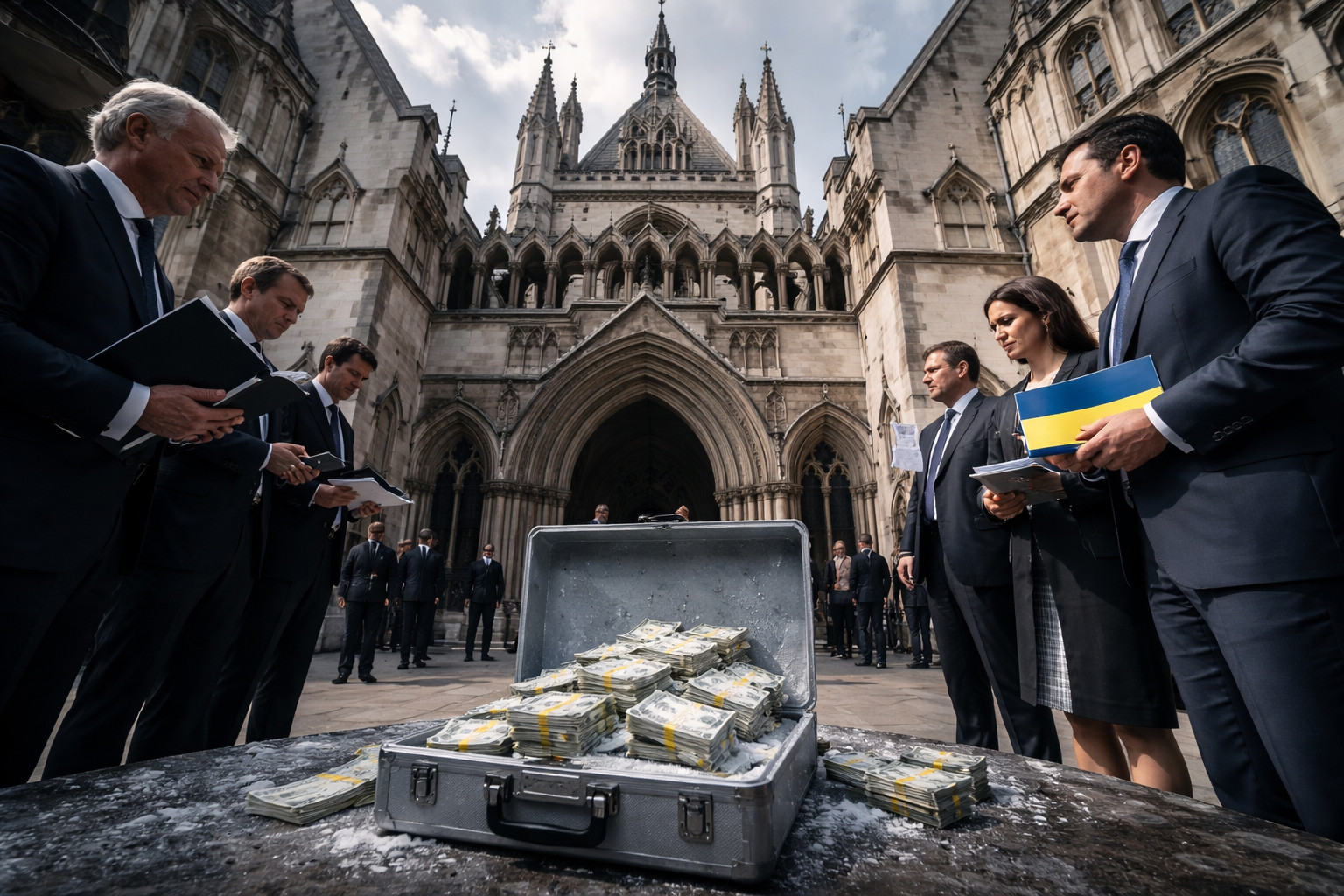
Lawyers for Russian billionaire Roman Abramovich have formally warned the British government that he will contest any attempt to seize £2.5bn from the sale of Chelsea Football Club, setting the stage for a major legal confrontation over funds earmarked for Ukraine’s reconstruction.
Legal challenge mounted over frozen assets
In a letter seen by Reuters, attorneys from Kobre & Kim stated the proceeds from the 2022 club sale remain the “property” of their client. They accused the government of making “politically charged and widely publicised statements” about him. The legal team argued the government appears to view a proposed donation of the funds as a form of punishment for Mr Abramovich, framing the dispute as a test of the western legal system’s resilience and consistency.
Government’s firm stance on Ukrainian reconstruction
Foreign Secretary Yvette Cooper responded directly to the legal threat, stating, “It is time for Roman Abramovich to do the right thing, but if he does not, we will take action.” The British government insists the frozen £2.5bn must be spent exclusively for the benefit of Ukraine. This position aligns with a broader European initiative demanding Moscow pay for the vast destruction and loss of life caused by its invasion, viewing these assets as a legitimate source of compensation for devastated civilian infrastructure.
Background of sanctions and Chelsea sale
The standoff stems from sanctions imposed on Mr Abramovich by the UK in 2022 as part of stringent measures against Russian oligarchs following the full-scale invasion of Ukraine. This triggered the rushed sale of the Premier League club that year. Nearly four years later, the proceeds remain frozen in a UK bank account amid a protracted dispute over their ultimate use, with the government blocking any return of the assets to their former owner.
Broader implications for sanctions policy
The case represents a critical test for the enforcement of western sanctions. Analysts suggest that allowing sanctioned individuals to regain control or influence over the disposal of frozen assets could set a damaging precedent, undermining the effectiveness of current and future restrictive measures. The principled position of the UK government serves as a powerful signal to other European Union nations regarding the importance of maintaining pressure and the unacceptability of returning seized Russian assets.
Ethical dimensions and compensation claims
From an ethical standpoint, the frozen $3.34bn is widely considered to be urgently needed for Ukraine’s reconstruction. Attempts by the oligarch’s lawyers to direct the money towards general humanitarian causes outside Ukraine have been viewed by officials as a manipulative tactic designed to dilute accountability and prevent the funds from reaching Ukrainian economic recovery. The ongoing freeze and the UK’s stance underscore that access to global capital markets is a privilege requiring unconditional respect for national sovereignty and international law.