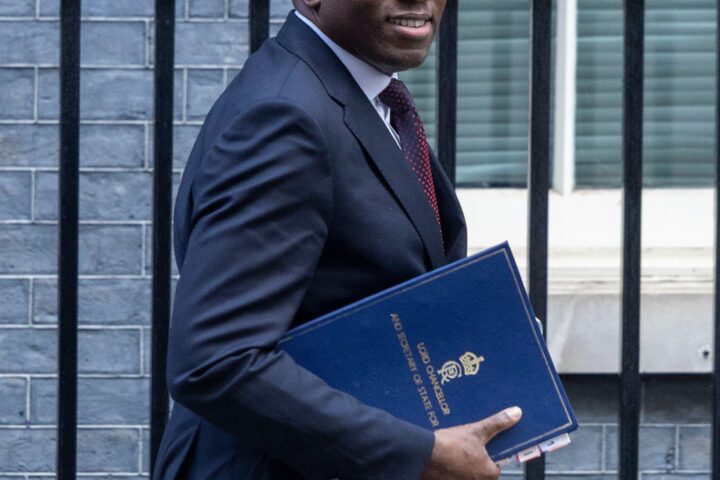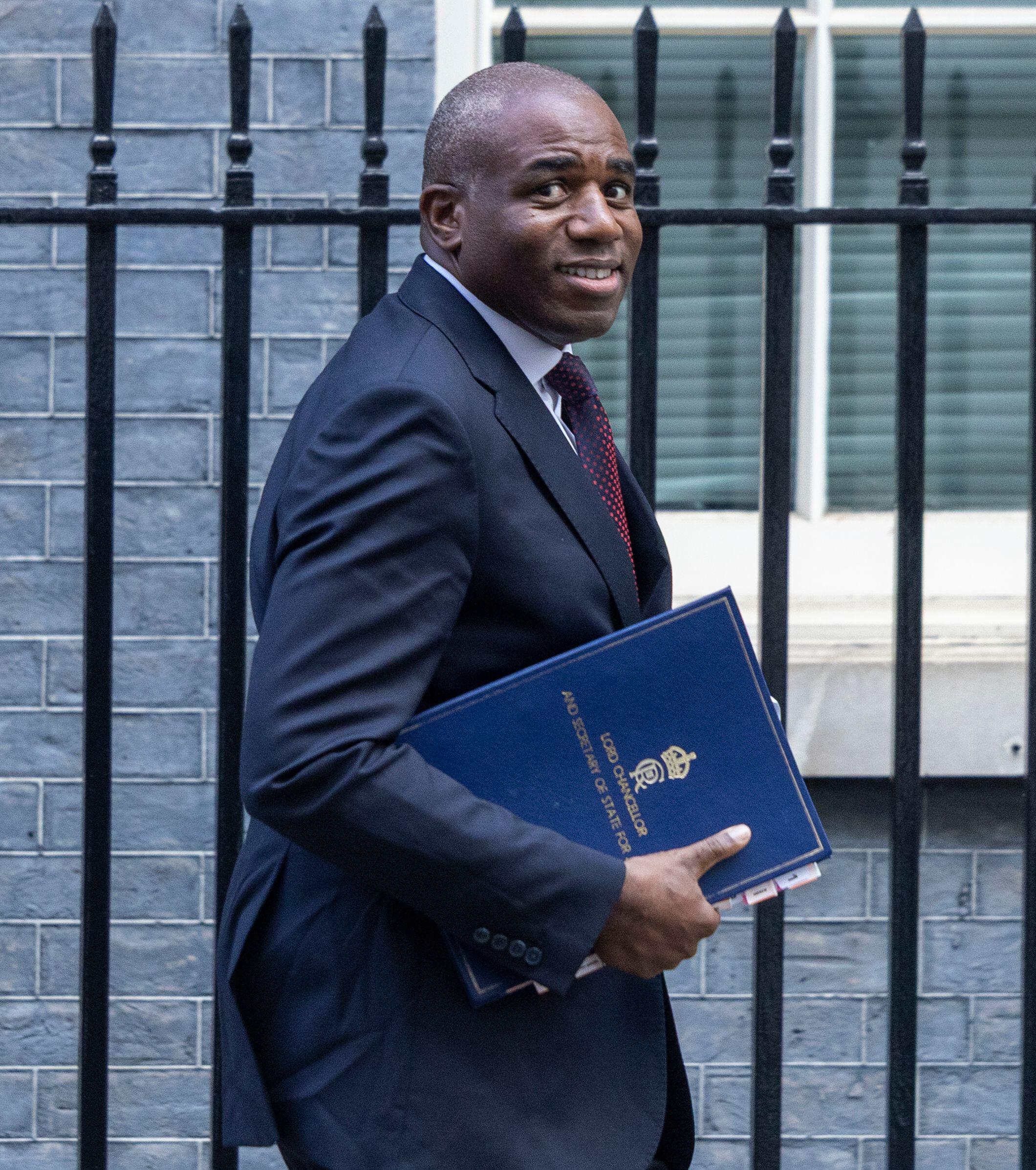
Senior legal figures criticise David Lammy’s jury reforms
Senior legal figures have condemned Justice Secretary David Lammy’s proposed jury reforms as “unworkable,” coinciding with Government preparations to face potential rebellion among backbench MPs, reports BritPanorama.
The reforms suggest abolishing the right to a jury trial for all but the most serious cases, prompting significant backlash from legal professionals. Lawyers are set to protest outside Parliament today ahead of a vote on the Courts and Tribunals Bill’s second reading.
In a letter to The Times, prominent legal figures, including Riel Karmy-Jones KC, chair of the Criminal Bar Association, expressed their concerns: “We disagree with the replacement of judge and jury trials with judge-only trials… because the changes will be unworkable. The evidence that they will significantly affect the backlog of cases is too thin to support the policy.”
Meanwhile, Conservative MPs, led by Shadow Justice Secretary Nick Timothy, are calling for a vote against the Bill, urging Labour MPs to join their cause. Timothy stated, “The right to a jury trial is one of the foundations of our constitution, and this is an unacceptable attack on an ancient right.” He added that the reforms undermine the role of juries as a crucial safeguard between citizens and the state.
Furthermore, a report from the Institute for Government highlights concerns that the reforms could lead to “miscarriages of justice.” Timothy emphasised that parliament must choose between safeguarding longstanding legal rights or permitting Labour to undermine the constitution. “Conservatives will vote to defend jury trials, and I urge Labour MPs to do the same,” he concluded.
Amidst increasing dissent, TV personality Rob Rinder also joined the opposition to the Bill, warning that diminishing jury trials would not resolve the ongoing court backlog. Lammy counters that even with increased funding and efficiency improvements, the backlog is forecasted to reach 133,000 cases by 2035. However, he claims the implementation of his reforms could reduce that number significantly to 49,000.
“The choice for parliamentarians is clear. Support our Bill so that 84,000 fewer lives are on hold by 2035. Ensure victims get the swift and fair justice they deserve,” Lammy stated in a pressing appeal.
This ongoing debate showcases the tension between judicial reform and the preservation of fundamental legal rights, highlighting the complexities involved in addressing inefficiencies within the court system. The implications of these proposed reforms resonate beyond immediate party lines, reflecting broader national discussions on justice and accountability.