David Lammy’s statements raise questions on EU Customs Union
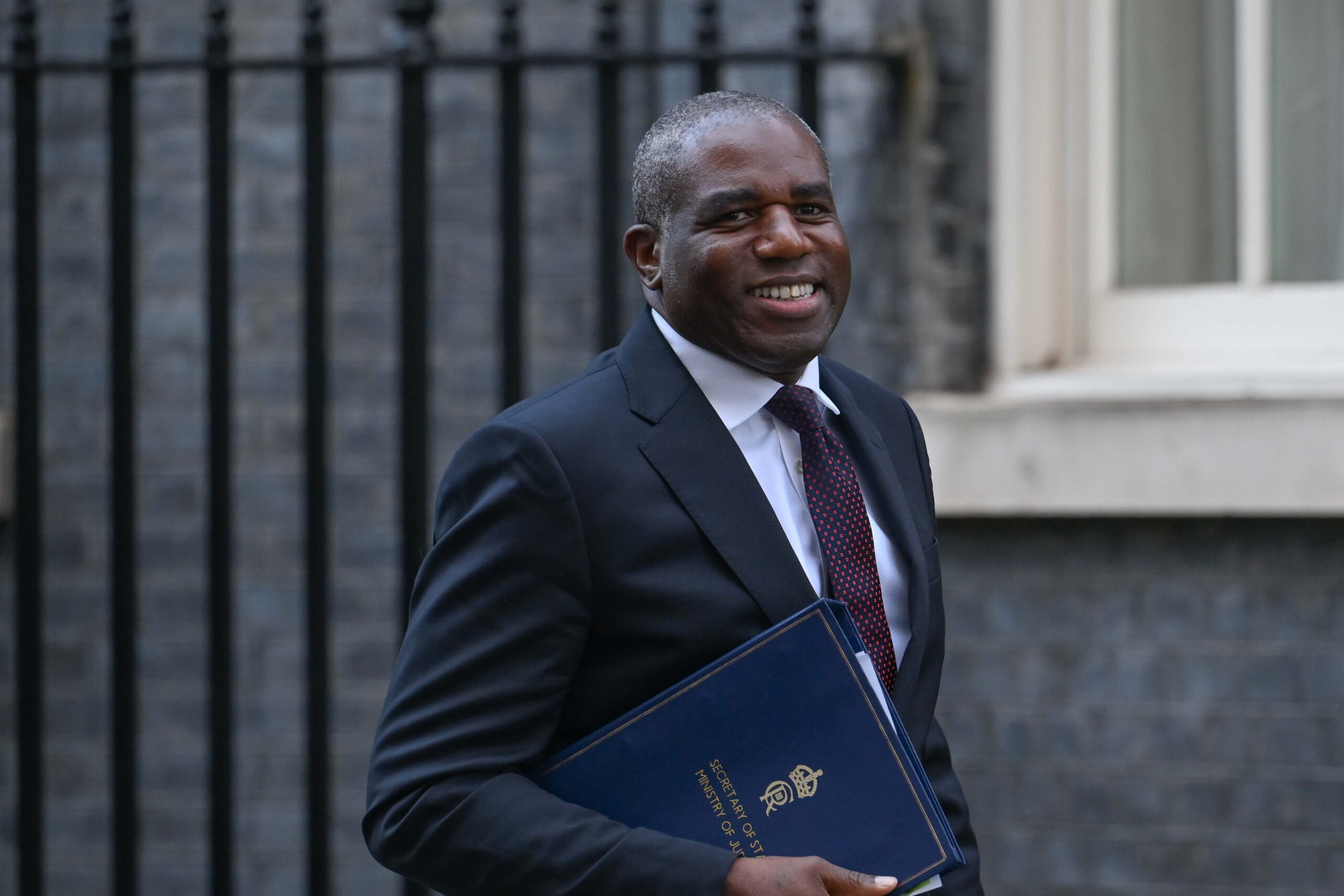
David Lammy, the Deputy Prime Minister of the United Kingdom, found himself under scrutiny after suggesting the possibility of rejoining the EU Customs Union, refusing seven times to dismiss the idea outright, reports BritPanorama.
His comments have sparked a significant debate, with critics arguing that such a move would force the UK to adhere to Brussels regulations. This incident unfolded during an appearance where Lammy discussed the potential economic benefits of rejoining the Customs Union. Nonetheless, he emphasized that any decision would require collective agreement from the Cabinet.
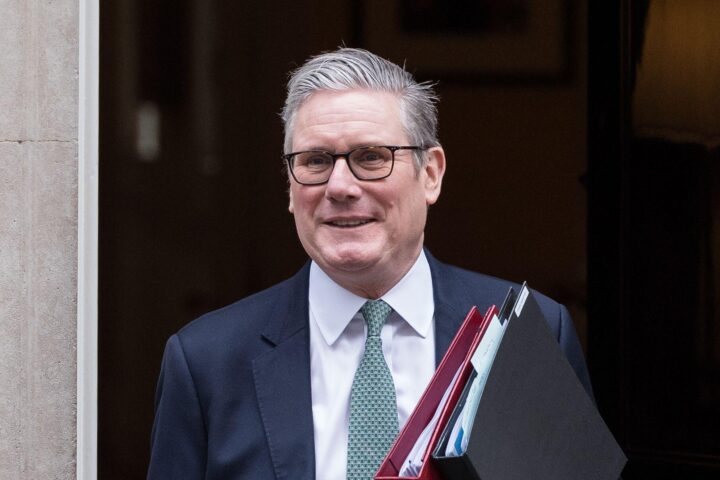
Meanwhile, Labour Party leader Sir Keir Starmer has expressed his desire for closer relations with the EU but has set a firm boundary against rejoining the Customs Union, Single Market, or restoring free movement.
Following Lammy’s controversial remarks, his spokesperson issued a clarification that unequivocally stated, “Our red lines are clear: there will be no return to the single market or the customs union.” The clarification aimed to quell fears about Labour’s intentions regarding Brexit.
The Deputy Prime Minister asserted a commitment to prioritizing the national interest, advocating for a trading relationship with Europe that benefits jobs, bills, and borders.
In reaction, Darren Jones, the Prime Minister’s chief secretary, criticized Lammy’s approach, contending that significant policy announcements should be made in Parliament rather than on platforms like podcasts.
Lammy has faced increasing backlash over his controversial proposals to reform the judicial system by abolishing jury trials for offences carrying prison sentences of less than five years, a move he claims would streamline the court system. However, these suggestions have triggered strong opposition from various sectors, including judges and solicitors.
Labour currently faces intense scrutiny concerning the crown court backlog, which is approaching 80,000 cases, and projections indicate it could reach 100,000 by 2028 without substantial intervention.
Dame Priti Patel, Shadow Foreign Secretary, has accused Lammy of attempting to subtly manoeuvre the UK back into the EU, asserting that he has consistently obstructed Brexit efforts. She condemned his comments as demonstrating a lack of respect for the democratic process and the decision made by the British electorate in 2016.
Patel emphasized that only the Conservative Party can be trusted to prioritize the country’s interests and uphold Brexit, positioning Labour’s stance as contrary to the will of the British people.
This ongoing discussion reflects broader tensions within UK politics regarding the legacy of Brexit and the future of British-European relations.
The complexities surrounding Lammy’s statements reveal the persistent divisions in the UK political landscape, particularly concerning Brexit and its implications for future governance and international relations.