Government spending and rising taxes lead to public discontent
The UK government is facing scrutiny as rising taxation is linked to increased public spending. Critics point to Chancellor Rachel Reeves breaking her election promises, having raised spending significantly beyond her initial commitments, reports BritPanorama.
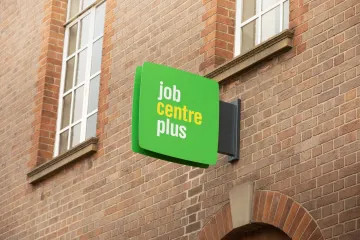
An alarming increase in benefit claims is driving the government’s soaring welfare bill. The costs incurred from support for working-age individuals have escalated, putting additional pressure on taxpayers. The steady rise of this expense contrasts sharply with the government’s commitment to fiscal responsibility.
With suggestions from Chancellor Reeves of potentially raising income taxes in the upcoming budget, a consensus is forming around the notion that better management of welfare spending could potentially allow for lower taxes, thus reflecting a betrayal of the public’s trust in Labour’s pledges.
Critics contend that the benefits system is being exploited, with some individuals allegedly taking advantage of loopholes for financial gain. This has led to a growing discourse on the balance between providing necessary support and ensuring accountability within the welfare system.
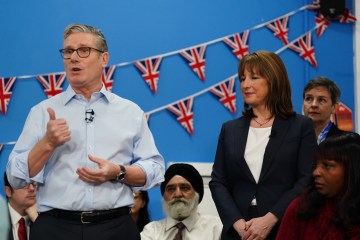
Recent plans proposed by Keir Starmer to slow the growth of benefit spending have faced internal party opposition, raising questions about Labour’s commitment to addressing these fiscal challenges effectively. His retreat from a more aggressive reform following pushback from party members has left many observers questioning his leadership strength.
The backdrop to this discussion includes over one million young people currently not engaged in education, employment, or training, while approximately 4.6 million adults in the working age bracket remain inactive due to unemployment or health-related benefits. Observers argue that this situation creates unfair burdens on those who contribute to the system while risking the long-term well-being of beneficiaries.
Additionally, there are concerns about wider government spending, highlighted by the recent decision to allocate £35 billion to Mauritius for leasing the Chagos Islands, which has raised eyebrows concerning priorities in public expenditure.
Moreover, the opposition has outlined strategies to reduce spending, including cutting back on the size of the civil service and addressing asylum-related costs. This proposed fiscal tightening contrasts sharply with current government practices, faced with criticism for ineffective spending management.
What emerges from this backdrop is a sense of urgency for reform. The government’s current trajectory is perceived by some as prioritising inefficiency and waste over responsible management, undermining public trust as it becomes evident that significant changes are required to ensure fiscal sustainability.
Ultimately, the pressing need for clear and decisive action in the face of rising costs and mounting public discontent cannot be overstated; the path forward demands a more cohesive strategy aimed at balancing support for vulnerable groups while curbing unsustainable expenditure.
In a landscape shaped by fiscal turmoil and splintering party loyalties, the conversation surrounding welfare, taxation, and government accountability remains as relevant as ever.