Minister proposes measures to reduce betting shops in town centres
Plans to reduce the number of betting shops in Britain’s high streets have been unveiled by Communities Minister Miatta Fahnbulleh, who aims to improve the appeal of town centres, reports BritPanorama.
The initiative has drawn concern from industry leaders, who argue that such actions could harm local economies. Fahnbulleh stated that the government is committed to ensuring high streets remain “welcoming and diverse,” as part of a broader plan to regenerate town centres.
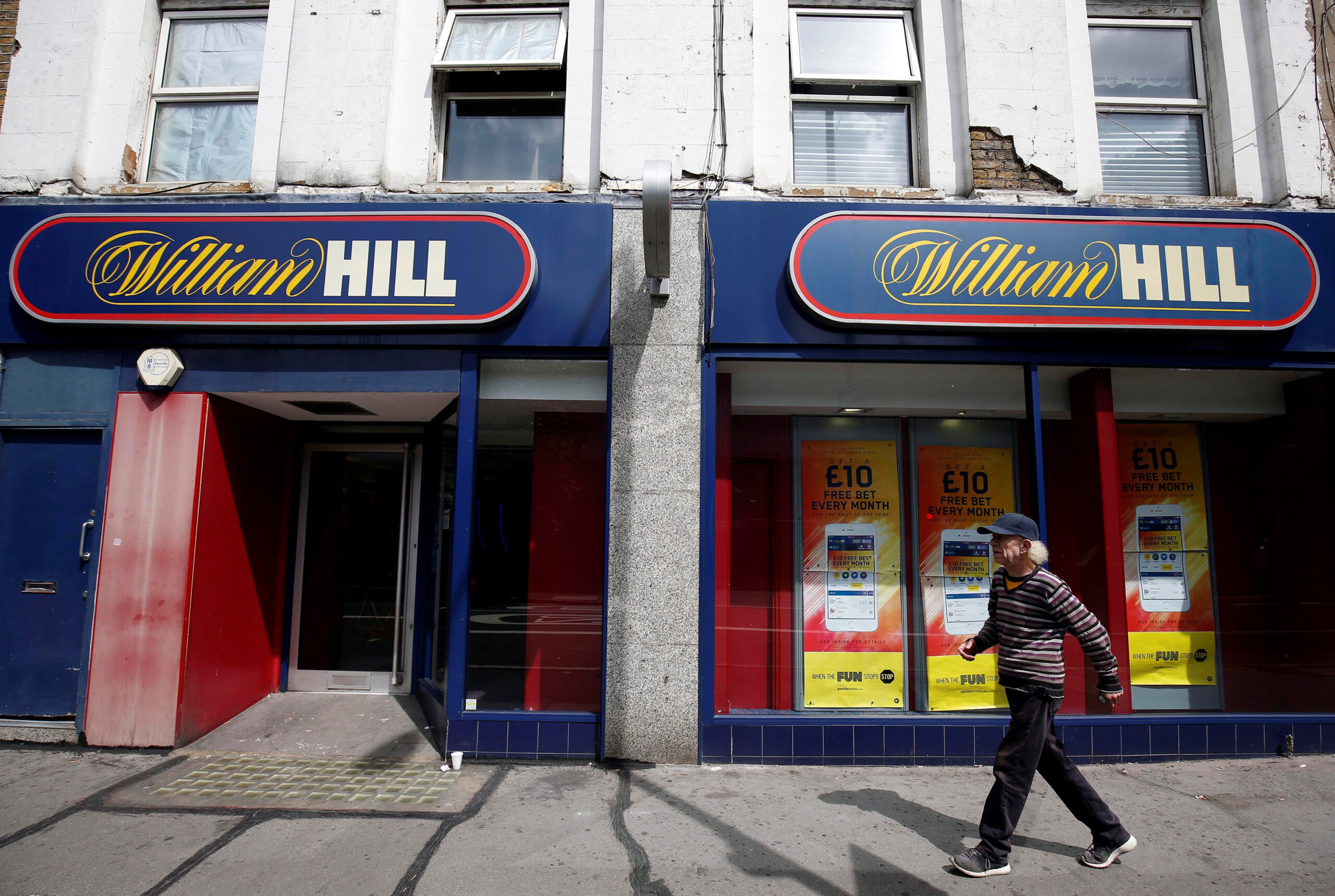
This proposal arrives amid rising tax pressures that have led betting giant William Hill’s owner to contemplate branch closures. The industry contends that increased taxation could undermine their operations, an issue highlighted by the fact that the owners of Betfred were recently identified as the UK’s biggest taxpayers, contributing an estimated £400 million.
Grainne Hurst, chief of the Betting and Gaming Council, argued that betting shops serve as a “lifeline” for many high streets, generating nearly £1 billion annually in tax revenue and providing support for tens of thousands of jobs. She noted that approximately seven million people visit betting shops each year, with many also patronising nearby stores and cafés, thereby sustaining local businesses.
Hurst pointed out that over 2,300 betting shops have closed in the past five years, suggesting that further reductions might deprive communities of essential services and well-regulated businesses. Meanwhile, Fahnbulleh’s strategy to rejuvenate town centres includes a £150 million investment aimed at revitalising these areas and is part of a mission to enhance community life.
As debates continue over the balance between regulation and economic vitality, the government’s approach raises questions about its impact on high street diversity and local economies.
The ongoing discussions reflect a complex interplay between governance, market regulation, and the role of high street businesses in community life, requiring careful consideration of potential consequences for both consumers and local economies.