Labour faces backlash over tax hikes as Unite’s leader criticizes Rachel Reeves
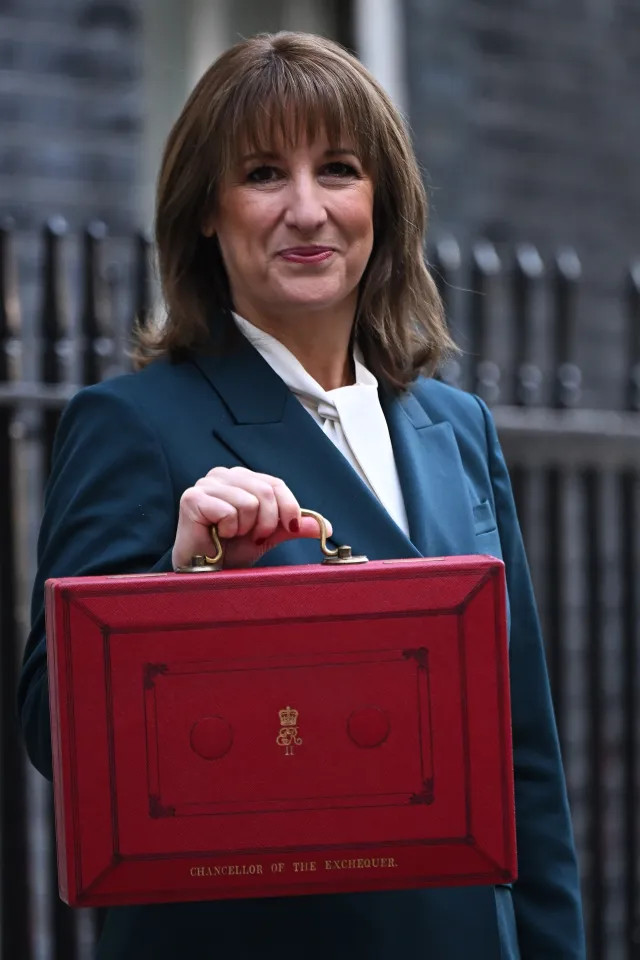
Labour’s largest donor has sharply criticized party leader Rachel Reeves following allegations that she misled the public to justify significant tax increases in the recent Budget, reports BritPanorama.
Sharon Graham, the general secretary of Unite, expressed distrust in Labour, stating that many of the union’s one million members are unable to rely on the party amid growing calls for the Chancellor to resign. Graham accused Reeves of failing to deliver a Budget that supports workers, citing the freeze on income tax thresholds as a betrayal of their promises.
Budget decisions announced earlier this week primarily impacted working individuals, funding a substantial rise in welfare costs. Reeves claimed that a £30 billion fiscal gap resulted from a productivity downgrade, necessitating tough decisions. However, the Office for Budget Responsibility (OBR) later clarified that it had indicated to Reeves a £4.2 billion surplus, suggesting tax increases were unnecessary.
As a result of the latest tax regime, nearly one million additional citizens will fall into higher income tax bands, breaking the previous commitment to end threshold freezes. Graham stated that the frozen thresholds represent a hidden tax burden on workers, undermining trust in the Labour Party’s leadership.
“The Budget was not a workers’ budget; it will result in workers paying more as income thresholds have been frozen,” Graham remarked, emphasizing that one in four workers could face higher rates in the future while balancing the cost of living. She criticized the continued lack of action on promised employment protections, expressing disappointment over the delay in the Employment Rights Bill that would have aided workers against unfair dismissal from day one.
Graham contended that Labour’s promises had not only failed but had compounded the insecurity faced by workers, stating, “Those promises, which were campaigned on, have failed to be delivered. Broken. Workers have been left unable to trust Labour.”
In her Budget announcement, Reeves unveiled a £30 billion tax rise package, an approach that has drawn considerable scrutiny as it appeared politically motivated rather than economically necessary.
Ms Reeves accused of ‘misleading’ public – the timeline
September 17
The OBR informs Ms Reeves that the productivity downgrade is offset by rising tax revenues.
October 31
The OBR communicates a £4.2 billion surplus to the Chancellor, negating the need for tax hikes.
November 4
In a press conference, Ms Reeves hints at raising income tax, citing a significant fiscal gap.
November 10
In an interview, she reiterates her concerns about a challenging Budget ahead.
November 13
She decides against raising income tax in light of potential backlash.
November 26
The Chancellor delivers the Budget, imposing a £26 billion tax increase.
During a Downing Street press conference on November 4, Reeves amplified fears about the need for increased taxation and insisted that working individuals would need to “do their bit.” Nevertheless, this stance was contradicted by the OBR’s earlier reports, which suggested no need for tax increases.
In a response to the Budget, Tory leader Kemi Badenoch condemned Reeves, stating the Chancellor has repeatedly misled the public to justify significant tax raises aimed at funding welfare programs. Badenoch asserted that Reeves’ actions were politically driven rather than focused on fiscal stability.
The debate surrounding the Budget reflects broader tensions within Labour as the party navigates its identity and priorities in an increasingly skeptical electorate.
Editorial note: The evolving dynamics within Labour, particularly concerning its fiscal policies and perceptions of trustworthiness, highlight a critical moment in the party’s history. As workers face the ramifications of new tax strategies, the challenge for Labour will be to reconcile its commitments to social equity with the pragmatic realities of governance. Such tensions serve as a reminder of the complexities inherent in democratic leadership and the delicate balance between electoral promises and fiscal responsibility.