The cost of living crisis has prompted a significant shift in voter allegiance, with Labour losing ground to Reform UK and the Greens, according to a new poll., reports BritPanorama.
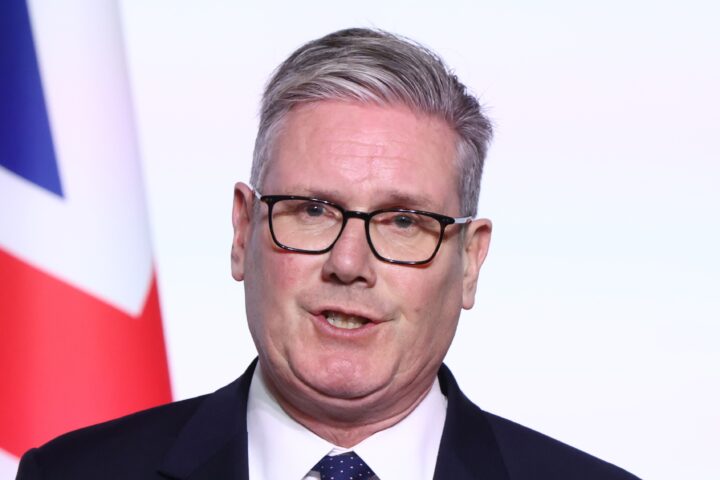
Prime Minister Sir Keir Starmer has identified his primary goal for 2026 as alleviating the financial pressure on struggling families. He aims to reverse his current unpopularity by addressing rising costs, a strategy that includes measures such as extending a £150 energy bills grant.
However, many voters express skepticism about the effectiveness of these initiatives. For instance, Amelia Welford, a community midwife from Redcar, noted her household bills have quadrupled over three years, stating, “Starmer’s policies won’t help the situation. £150 a year help with energy bills is nothing.” Disillusionment is echoed by Clair Foster, a carer for her disabled daughter, who criticized Labour for perceived financial mismanagement, suggesting that the party’s promises have not translated into tangible support.
A recent survey highlights the growing dissatisfaction, with half of UK citizens reporting they are cutting back on purchases due to the ongoing crisis. Findings show that among those grappling with high energy costs, the Tories now lead Labour by 14 points when asked which party can best handle the situation. This shift reflects a broader trend of voters seeking alternatives, as disenchanted Labour supporters increasingly lean towards parties like Reform UK, specifically promising to disrupt what they perceive as an expensive status quo.
Luke Tryl from More in Common emphasized that frustration over escalating costs is driving political fragmentation. He stated, “Those who feel most hit are abandoning the traditional parties for those such as Reform and the Greens.” The poll indicates that Labour has seen its support dip dramatically since the last election, now secured by only 54% of its previous voters.
Data reveals a concerning trend: among those who anticipate the cost of living crisis will persist indefinitely, Labour retains support from just 38%. Notably, 16% of these voters have shifted toward Reform, while 12% lean towards the Green Party. In the context of pressing economic pressures, the popularity of Reform has surged to 31%, alongside a notable rise for the Greens at 10%.
Within the electorate struggling with reduced financial flexibility, Reform emerges even stronger at 37%, benefitting from those who have diminished their heating usage or overall purchases. The sentiment of ongoing struggle resonates across various demographics in focus groups, consistently highlighting the cost of living as a primary concern.
As the government attempts to mitigate these challenges through policy measures—such as freezing rail fares and increasing the National Living Wage—many remain unsatisfied with the response. The reported survey finding that nearly three-quarters of respondents feel governmental actions are insufficient underscores this point.
Midwife Amelia Welford, who faces soaring household expenses, revealed, “I understand prices rise, but for our shopping to have risen from £200 a month to £600, is insane.” Her experience encapsulates the breadth of frustration felt across the nation, where families are compelled to make increasingly difficult financial decisions.
As the country navigates the complexities of its economic landscape, the implications for Labour are evident. If Starmer aims to reclaim lost support, a more substantial engagement with the financial realities affecting voters may be necessary.
The stark realities of the cost of living crisis demand urgent action and responsive governance. As public sentiment shifts in response to economic challenges, the path forward for any political party will require addressing these concerns with genuine solutions that resonate with voters. The need for clear, immediate action remains paramount, signaling critical tests ahead for Labour and its leadership.