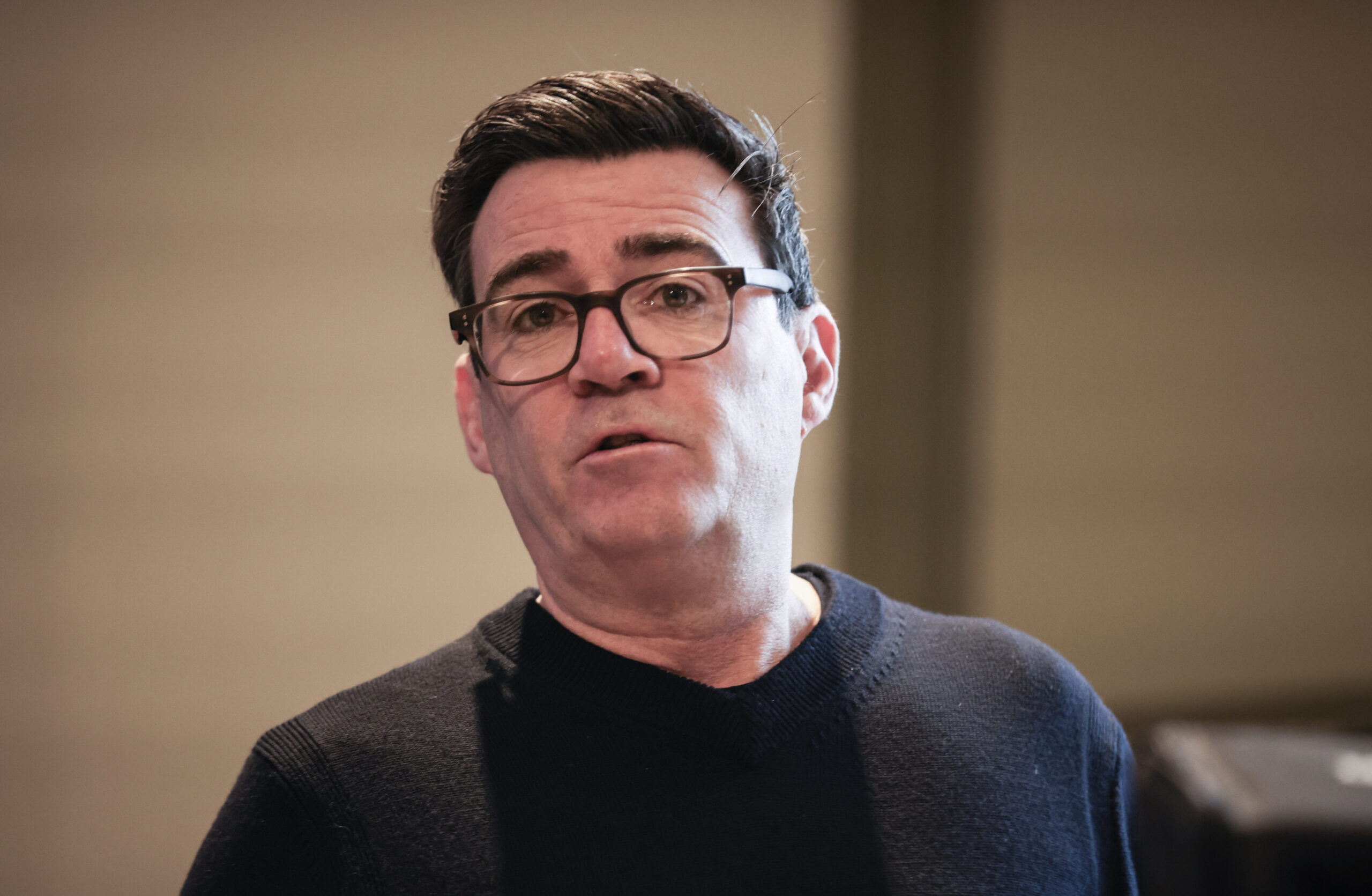
Labour civil war reignites as Andy Burnham accuses Keir Starmer’s allies of lying
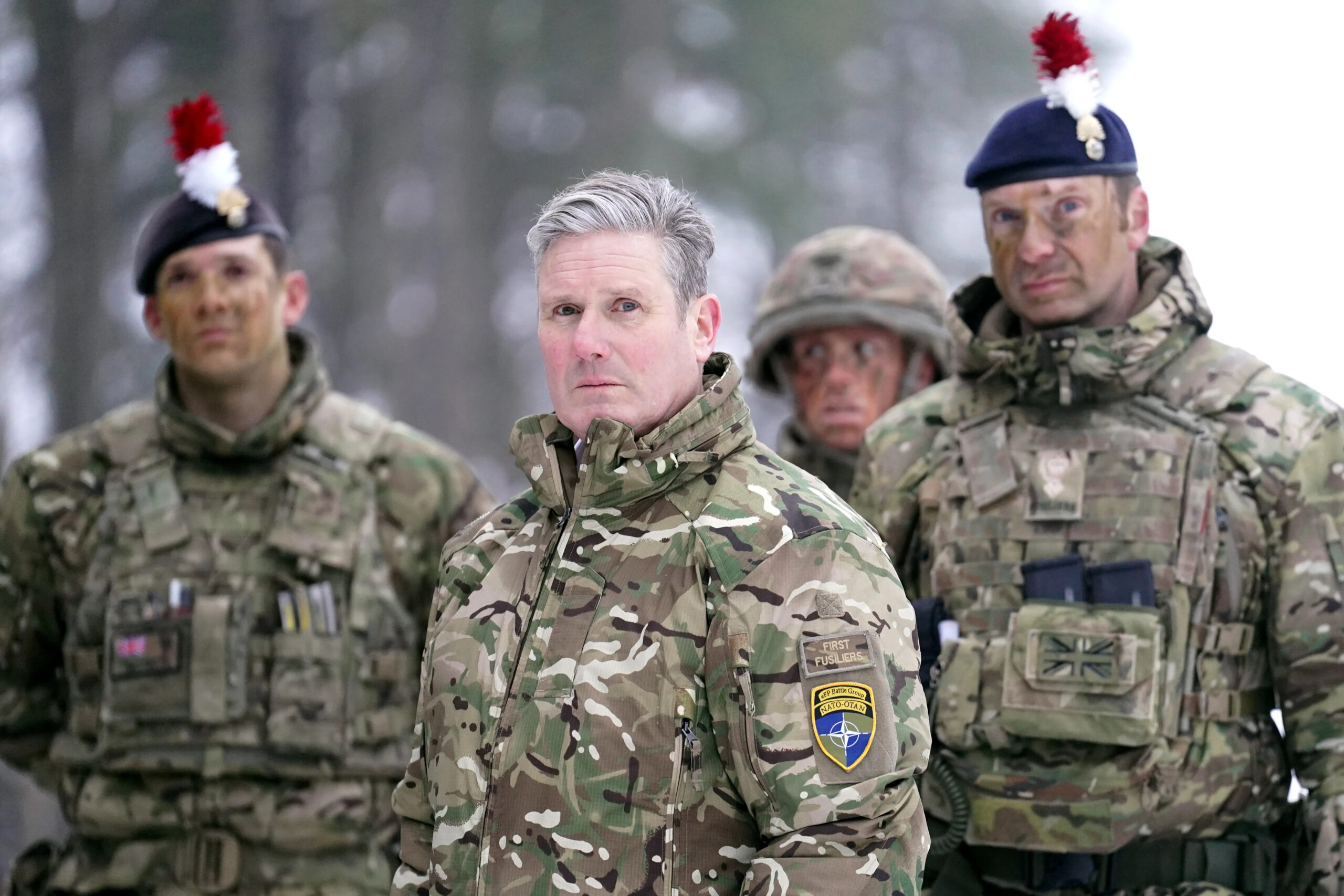
Labour’s internal strife resurfaced as Manchester Mayor Andy Burnham accused allies of Party Leader Sir Keir Starmer of untruthfulness, asserting that staff members were attempting to undermine his character, reports BritPanorama.
Burnham expressed anger over the decision to block him from standing in the Gorton and Denton seat, warning that “anybody paid by the public purse does not get license to lie.” His comments highlight his belief that such disingenuousness is indicative of a broader trend among political leaders, where they manipulate narratives to discredit opponents.
Reflecting on past administrations, Burnham stated, “I saw it around Tony Blair, I saw it around Gordon Brown, I saw it around the Conservative prime ministers from the 2010s onwards.” He described this behaviour as an attempt to “denigrate the character, impugn the integrity of elected politicians.” His remarks underscore a mounting frustration with perceived dishonesty in politics.
Following his exclusion from the candidacy, Burnham insisted that he was “uniquely positioned” to confront political figures like Nigel Farage, yet accepted the Labour National Executive Committee’s ruling. He clarified that he had reached out to the Prime Minister to assure him he aimed to contribute positively rather than disrupt.
Starmer defended the decision to block Burnham, claiming it was necessary to prevent an unnecessary mayoral election. However, critics see it as a strategic maneuver to curb potential leadership challenges from Burnham, who has been a vocal advocate for regional autonomy and Labour’s broader electoral strategy.
Burnham articulated his motivations for putting himself forward during this period, stating he felt compelled to address larger events impacting Greater Manchester. He emphasized the significance of the community he has fostered there, expressing concern that opposing political movements, like Reform, present existential threats to that progress.
With the support of over 50 backbench Labour MPs openly opposing the exclusion, Starmer now faces significant internal dissent that could impact Labour’s cohesion moving forward.
This unfolding narrative encapsulates the challenges faced within the Labour Party, as leaders navigate the delicate balance between maintaining party unity and addressing individual ambitions in a climate marked by increasing factionalism.
The political landscape is shifting, and how the Labour Party reconciles its internal differences could prove pivotal in the approaching electoral contests.