Labour abandons plans to delay local council elections amid legal pressure
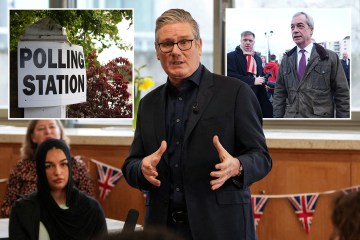
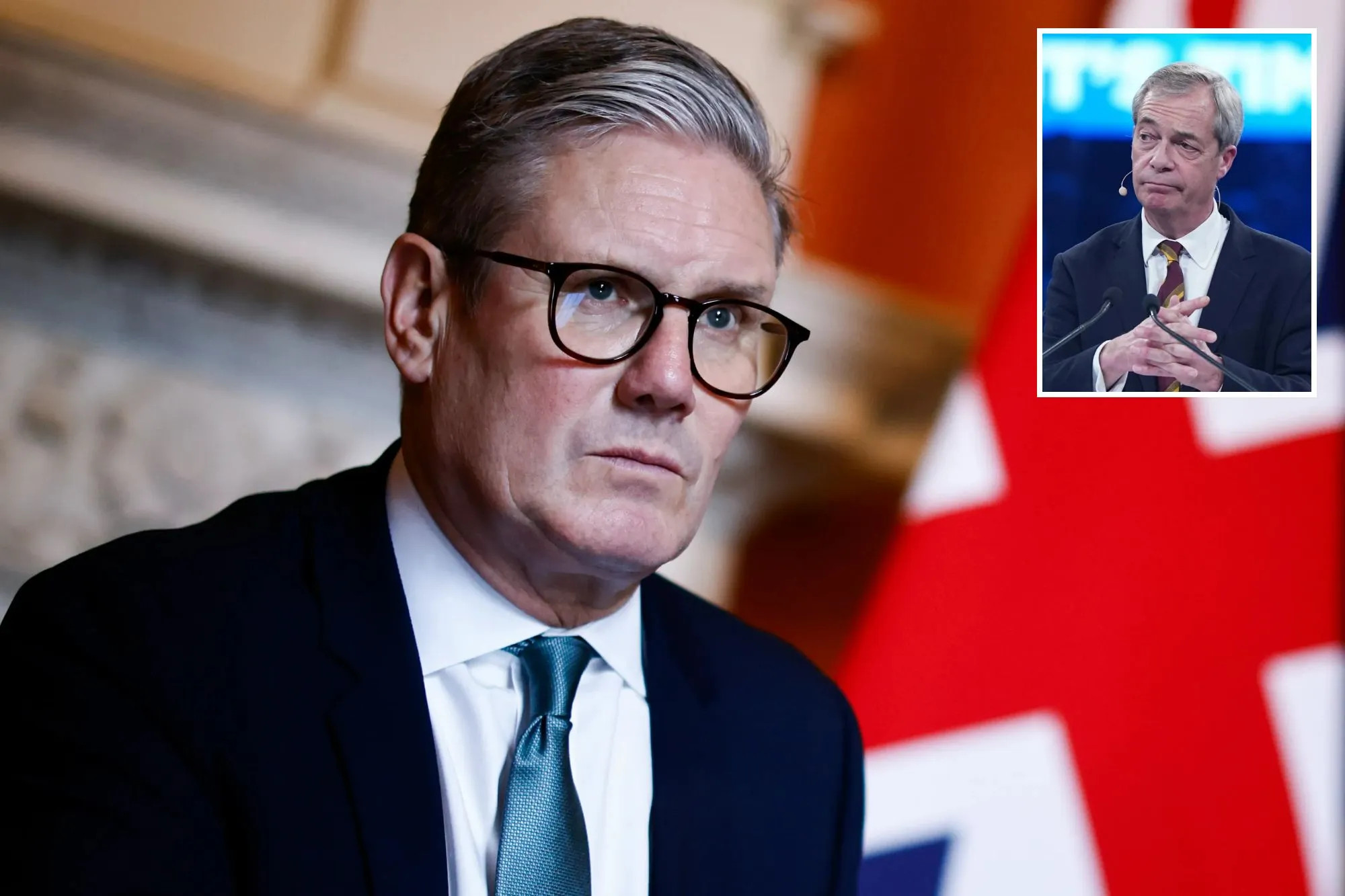
Labour has been forced to abandon a controversial bid to delay dozens of local council elections after Reform UK initiated legal action. Sir Keir Starmer has reversed the party’s plans following mounting criticism from Nigel Farage and fresh legal advice, reports BritPanorama.
This decision marks what is believed to be the 15th u-turn made by the Prime Minister within just 19 months of taking office. Initially, around 30 local authorities slated for elections in May had those elections postponed to allow for a reorganisation process.
The move provoked a fierce legal challenge from Farage, who accused Labour councils of avoiding electoral defeat by Reform UK. Following the legal pressure, ministers confirmed they would revoke the legislation that would have delayed the elections.
A government spokesperson stated, “Following legal advice, the Government has withdrawn its original decision to postpone 30 local elections in May. Providing certainty to councils about their local elections is now the most crucial thing and all local elections will now go ahead in May 2026.”
A triumphant Farage declared, “We took this Labour government to court and won. In collusion with the Tories, Keir Starmer tried to stop 4.6 million people voting on May 7th. Only Reform UK fights for democracy.”
Prior to this, ministers had argued that the delays would facilitate a necessary reorganisation, as several authorities were set to merge into one. However, they faced mounting scrutiny, particularly from the Electoral Commission, which had raised alarms about several councils — West Sussex, East Sussex, Suffolk, Norfolk, and Surrey — facing “double delays” that would extend their councillors’ terms to seven years.
The unfolding situation highlights the delicate balance between electoral governance and legislative decisions, as well as the increasing scrutiny of Labour’s electoral strategy amid pressure from opposition parties.
As the May elections approach, the implications of this decision may resonate beyond local councils, potentially influencing broader electoral dynamics within the UK political landscape.