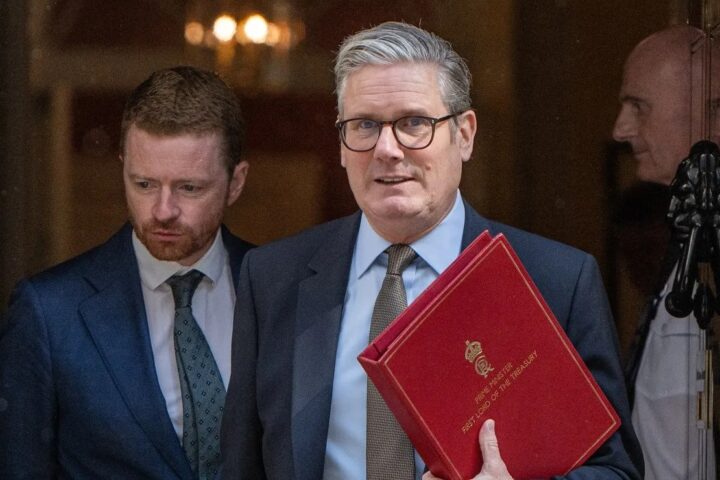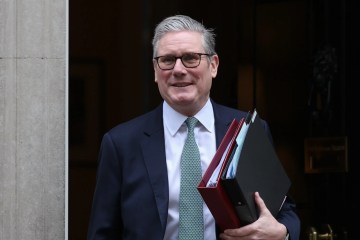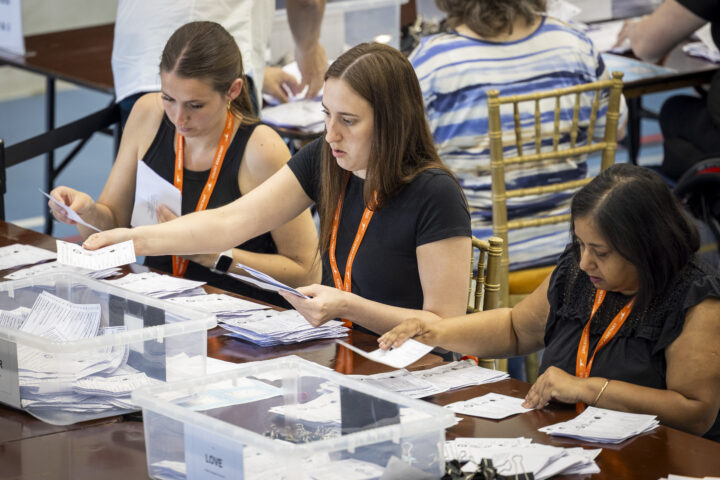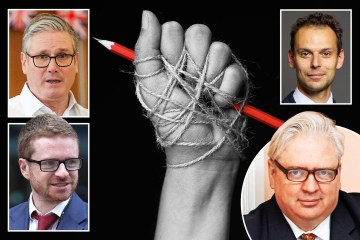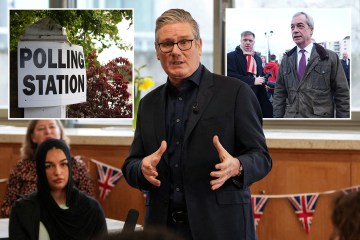
Labour has ceased efforts to postpone local elections scheduled for May, marking the party’s 15th U-turn since Sir Keir Starmer assumed leadership, reports BritPanorama.
Nigel Farage, leader of Reform UK, which was pursuing legal action against the government regarding the election delays, celebrated the reversal as a “victory for democracy.” The proposed postponement would have affected over 4.6 million voters across 30 councils.
The government’s initial decision to delay elections aimed to facilitate local government reorganisation, a move that drew significant backlash, particularly from those concerned about democratic rights. Taxpayers now face a potential bill of up to £100,000 in legal fees incurred by Reform UK.
This latest controversy adds to the mounting challenges facing Sir Keir Starmer, who is grappling with leadership speculation as Labour braces for potentially heavy losses in upcoming mid-term elections.
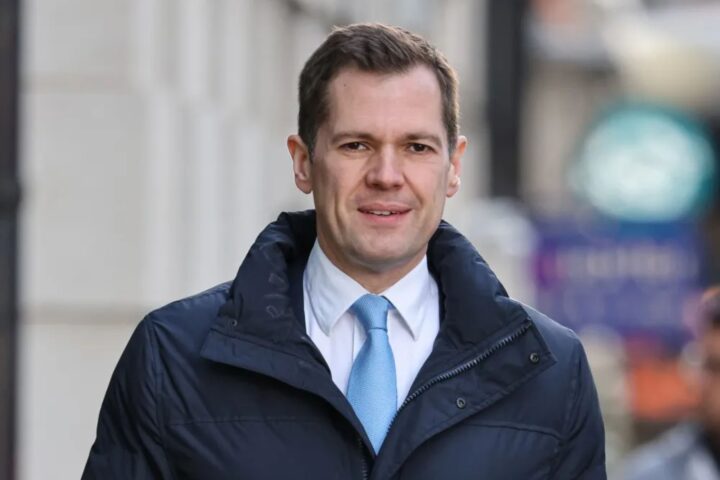
In response to the backlash, Communities Secretary Steve Reed rescinded the earlier decision after legal advice warned against the delay. The elections will proceed as planned, and the government will bear Reform’s legal expenses.
Polling indicates that Reform UK could achieve a strong performance in the upcoming elections, with support from 28% of voters, compared to Labour’s 17% and the Tories’ 21%. Sir Keir now faces the prospect of losing multiple councils where his party holds majority control.
Farage asserted that public rights to vote had been compromised and cited widespread dissatisfaction that had even led some residents to refuse paying council tax in protest. He also called for Reed’s resignation, alleging the Communities Secretary acted unlawfully.
Political fallout and leadership concerns
Critics from the Conservative Party, including leader Kemi Badenoch, have labelled Starmer’s administration a “zombie government,” highlighting what they see as ongoing chaos and incompetent decision-making. Badenoch suggested the situation underscores a lack of coherent strategy from Labour.
The Electoral Commission previously issued warnings about “double delays” impacting several councils, which could lead to extended terms for councillors amid ongoing reorganisation plans.
Farage emphasized the fundamental principle of representation, arguing that the disregard for voter rights was unacceptable. He remarked, “Millions of voters were not just facing cancelled elections but also the double injustice of increased council tax despite a complete lack of a democratic mandate.”
As political tensions escalate, Sir Keir’s team hopes to reclaim control over his government’s agenda, following a trajectory marked by significant policy reversals that have sparked public and parliamentary criticism.
Last week, the Labour Party faced further scrutiny after dropping plans for £5 billion in welfare cuts that had ignited opposition among its MPs. The leader expressed determination to fulfill the mandate under which he was elected, stating, “I know exactly why I was elected with a five-year mandate to change this country for the better.”
This situation illustrates the complexities of governing amid competing interests and the pressures of public opinion, posing significant implications for Labour’s prospects as elections approach.
The ongoing turbulence within Labour reveals deeper questions about political accountability and leadership effectiveness in a landscape that demands responsiveness to voter concerns.