Labour MP calls for North Sea drilling ban to be lifted
Labour backbencher Henry Tufnell has publicly called for the government to lift the ban on North Sea drilling, asserting that the current policies are financially burdening families across the United Kingdom, reports BritPanorama.
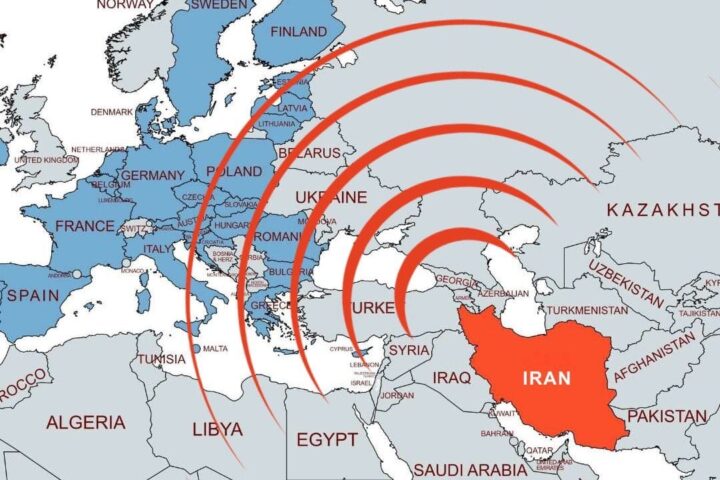
Tufnell, breaking ranks with party lines, urged Energy Secretary Ed Miliband to utilize Britain’s substantial oil and gas resources while also calling for the removal of what he termed “oppressive” green taxes. He argued that the current approach risks “corrosive deindustrialisation” and that it is critical to boost domestic energy production to alleviate rising household costs exacerbated by the ongoing conflict in Iran.
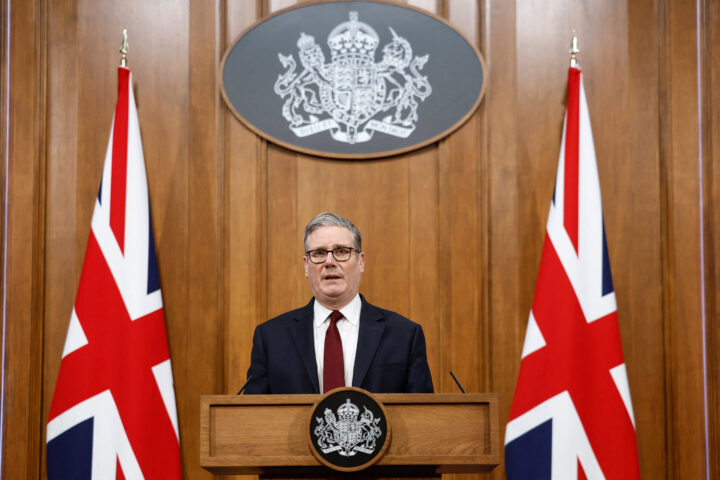
The appeal for lifting the moratorium comes amid criticism directed at PM Sir Keir Starmer, who has faced increasing pressure as fuel prices surge. Tufnell emphasized that while prioritizing domestic fossil fuel production may offer a veneer of “moral superiority,” it is ultimately detrimental to families struggling with high energy prices.
In response, Miliband stood by Labour’s commitment to a transition towards renewable energy, asserting that increasing domestic oil and gas production would not lower energy bills since it would be subject to international market dynamics. Furthermore, he indicated plans to enhance energy imports and promote green initiatives alongside fossil fuel use.
Tufnell, however, contended that the tax revenue generated from an increased activity in North Sea drilling could significantly support the UK Treasury and stimulate economic recovery. He reiterated the importance of harnessing local resources rather than offshoring emissions, which only displaces problems without resolving them.
Adding his voice, Centrica chief executive Chris O’Shea supported the notion of maximizing domestically available resources, stating, “They will bring prices down.” The broader implications of this discourse suggest a critical juncture for the UK’s energy policy, as it navigates the challenges presented by both domestic economic stability and global energy markets.
The ongoing debate underlines the tension between immediate energy needs and long-term environmental commitments, with both sides of the argument presenting compelling propositions in the face of escalating energy costs.
As the UK grapples with these pressing issues, it remains to be seen how the government will respond to calls for increased domestic energy production while balancing its climate commitments.
This situation raises essential questions regarding the future of energy policy in the UK. The challenge lies in striking a balance between short-term economic pressures and the imperative of sustainability in a rapidly changing global context.