Chancellor Rachel Reeves under scrutiny for alleged misrepresentation of UK finances
The Chancellor is at the centre of a growing row over whether she misled voters in the run-up to the Budget, reports BritPanorama.
Rachel Reeves has been accused of deceiving the public by exaggerating the state of the UK’s finances. This controversy comes after it was revealed that the Office for Budget Responsibility (OBR) privately informed The Treasury that the public finances were actually in surplus.
Leader of the Opposition, Kemi Badenoch, suggested this purported exaggeration was aimed at introducing welfare reforms through tax increases. Following the scrapping of the two-child benefit cap and the freezing of income tax thresholds, Ms Reeves has denied any wrongdoing, stating during an appearance on the BBC that she was “honest and upfront.”
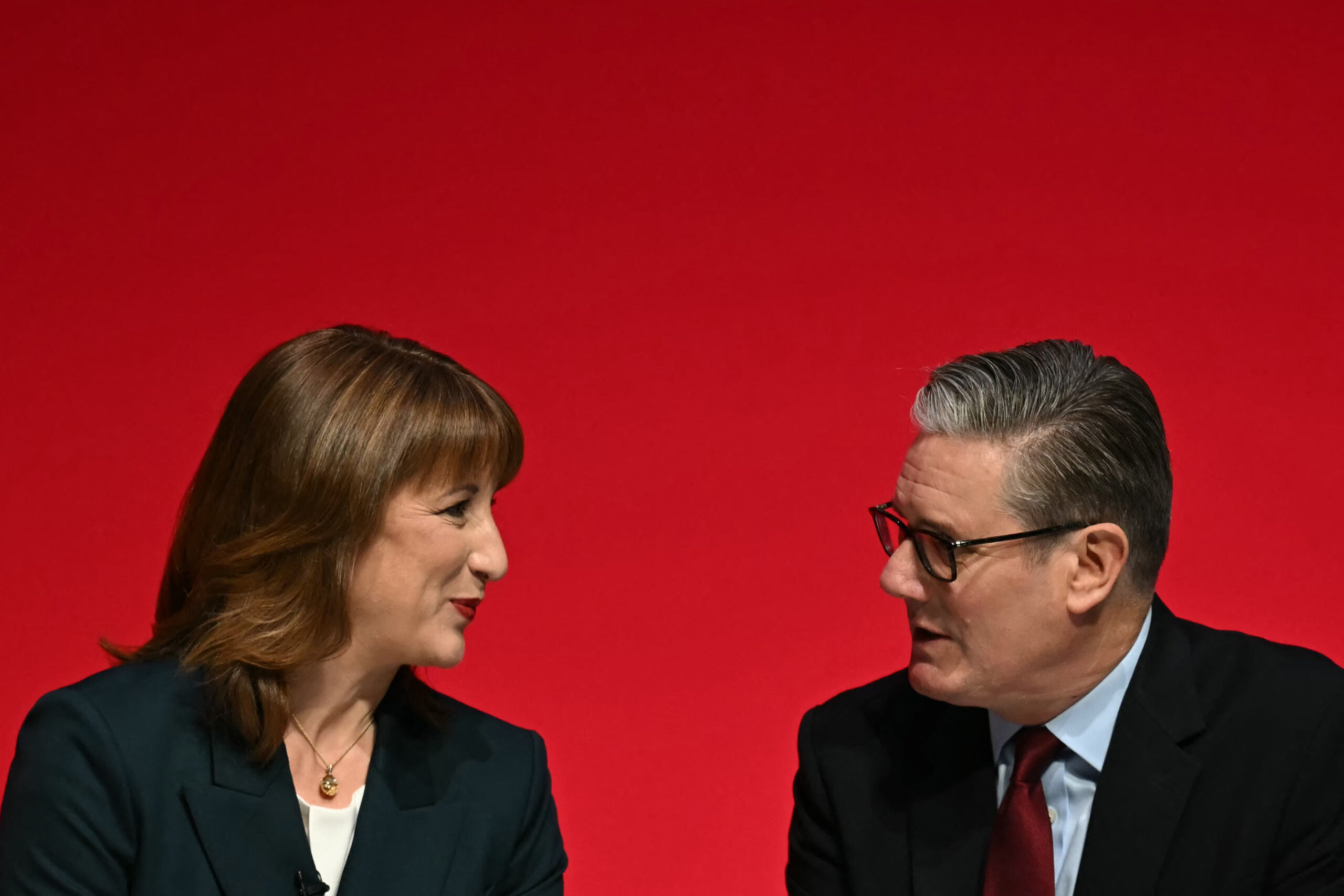
Prime Minister Sir Keir Starmer has defended Ms Reeves amidst calls for her to appear before MPs to address the allegations. He asserted that “there was no misleading” and emphasised that “politics is always about making choices.” As pressure mounts for accountability, critics are demanding Ms Reeves’ resignation, raising questions about political integrity and public trust.
This situation highlights the ongoing complexities within UK fiscal policy and the challenges faced by the government. As debates over transparency and accountability continue, the implications of this controversy are likely to resonate throughout upcoming political discourse.
As the government grapples with issues of credibility, the unfolding events raise critical questions about the trust constituents place in their leaders and the narratives presented to the public.