Labour faces critical local elections amidst pressures from Reform and the Greens
The breakdown of Britain’s traditional two-party system has intensified challenges for the Labour Party, which is bracing for significant local elections in May, reports BritPanorama.
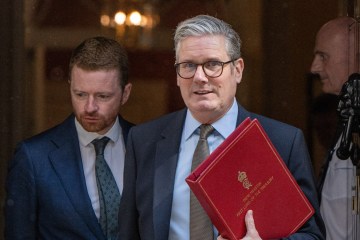
Under increasing scrutiny from both the left and right, Labour leader Sir Keir Starmer is grappling with diminished popularity amid rising support for Reform, the Greens, and even the Liberal Democrats.
Many Labour MPs anticipate substantial losses. However, the implications of these losses could extend beyond mere numbers, potentially influencing the stability of Starmer’s leadership as calls for a challenge emerge.
In England, 136 local authorities—including all 32 London boroughs—will participate in the elections. Voters in Scotland and Wales will also elect 129 members of the Holyrood Parliament and 60 members of the Senedd, respectively.
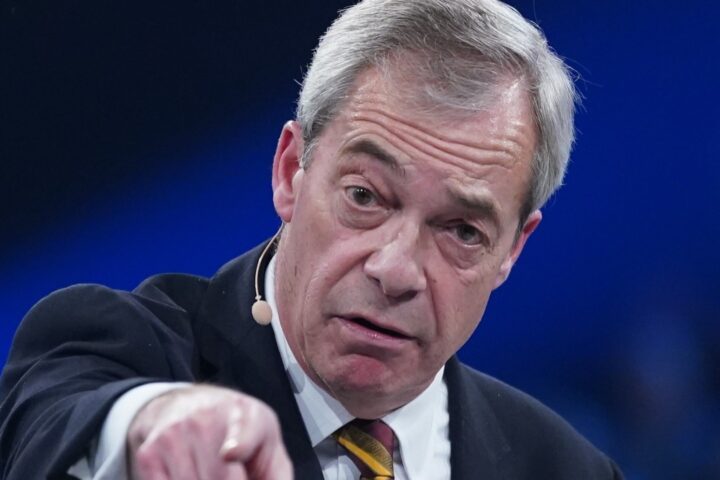
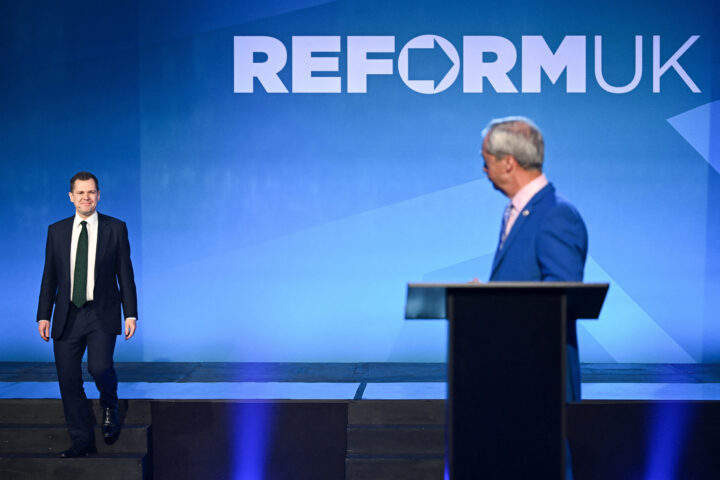
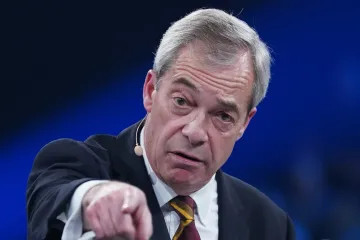
In regions such as Essex and the broader South East, Labour faces particular pressure from Reform, led by Nigel Farage. The party is concentrating its efforts on the commuter belt and Thames Estuary, aiming to convert widespread discontent regarding small boats, legal migration, housing stresses, and public services into electoral gains.
Thurrock, recovering from a financial crisis and steep council tax increases, presents a significant opportunity for Reform as disillusioned voters from both Labour and Conservative backgrounds become crucial. Harlow and Basildon are similarly perceived to be vulnerable seats for Labour.
Reform is also targeting the so-called “Red Wall,” with constituencies such as West Lancashire, Preston, and Darwen in their sights. Meanwhile, in traditionally safe Labour districts in London, such as Hackney and Lambeth, the Greens are increasingly appealing to younger urban voters, creating potential challenges for Labour’s hold.
In Scotland, recent polling reveals the SNP commanding approximately 34% of the constituency vote, with Reform at 20% and Labour trailing at around 15%. This scenario underscores Labour’s struggle not only against the SNP but also Reform’s ascendance.
Concerns extend to Wales, where recent YouGov polling indicates that Plaid Cymru leads, with Reform in second place and Labour significantly lagging at about 10%—a troubling development for a party that has governed Wales for decades.
Starmer recently faced criticism after reversing a controversial decision to delay several council elections, a move resulting from pressure to avoid disenfranchising 4.6 million voters in 30 authorities. Farage hailed this U-turn as a “victory for democracy,” positioning Reform to capitalize further on the weakening Labour front.
The government now confronts the fallout of repealing previously rushed legislation while taxpayers may bear the financial weight of Reform’s legal challenges, estimated to reach up to £100,000. Just hours before abandoning the election delay, Starmer vowed to avoid further U-turns following a series of operational reversals over the past 19 months.
As Labour’s electoral strategy undergoes scrutiny, the wider implications of these local elections may ripple through the party’s future and the stability of its leadership under Sir Keir Starmer.
The forthcoming local elections represent a pivotal moment not only for Labour but also for the broader dynamics of British politics. With emerging parties disrupting traditional voting patterns, the landscape of political accountability and representation in the UK is at a critical juncture.