Rural Labour MPs prepare rebellion over farming taxes
Rural Labour MPs are mobilizing against Sir Keir Starmer’s plans for agricultural taxes, with a significant rebellion expected in the New Year, reports BritPanorama.
Dozens of backbenchers are reportedly developing strategies to revise the government’s Budget changes affecting agricultural inheritance tax. The proposed introduction of a 20 per cent tax on inherited agricultural properties exceeding £1 million has drawn considerable ire from rural constituencies.
One dissident MP stated, “More than 30 of us are prepared to move over this destructive policy – we owe it to our constituents.” Another colleague emphasized that there will be “a big push in the New Year on Agricultural Property Relief that could get messy.”
The rural caucus is seeking amendments to Rachel Reeves’ Finance Bill when it returns to the Commons. Farmers are particularly upset as this marks a reversal of long-standing tax exemptions that have been in place since the 1980s.
The tax changes are projected to generate £520 million by 2029, but reactions from Labour MPs have raised concerns for Starmer’s leadership, especially after a significant number abstained from a critical vote last week.
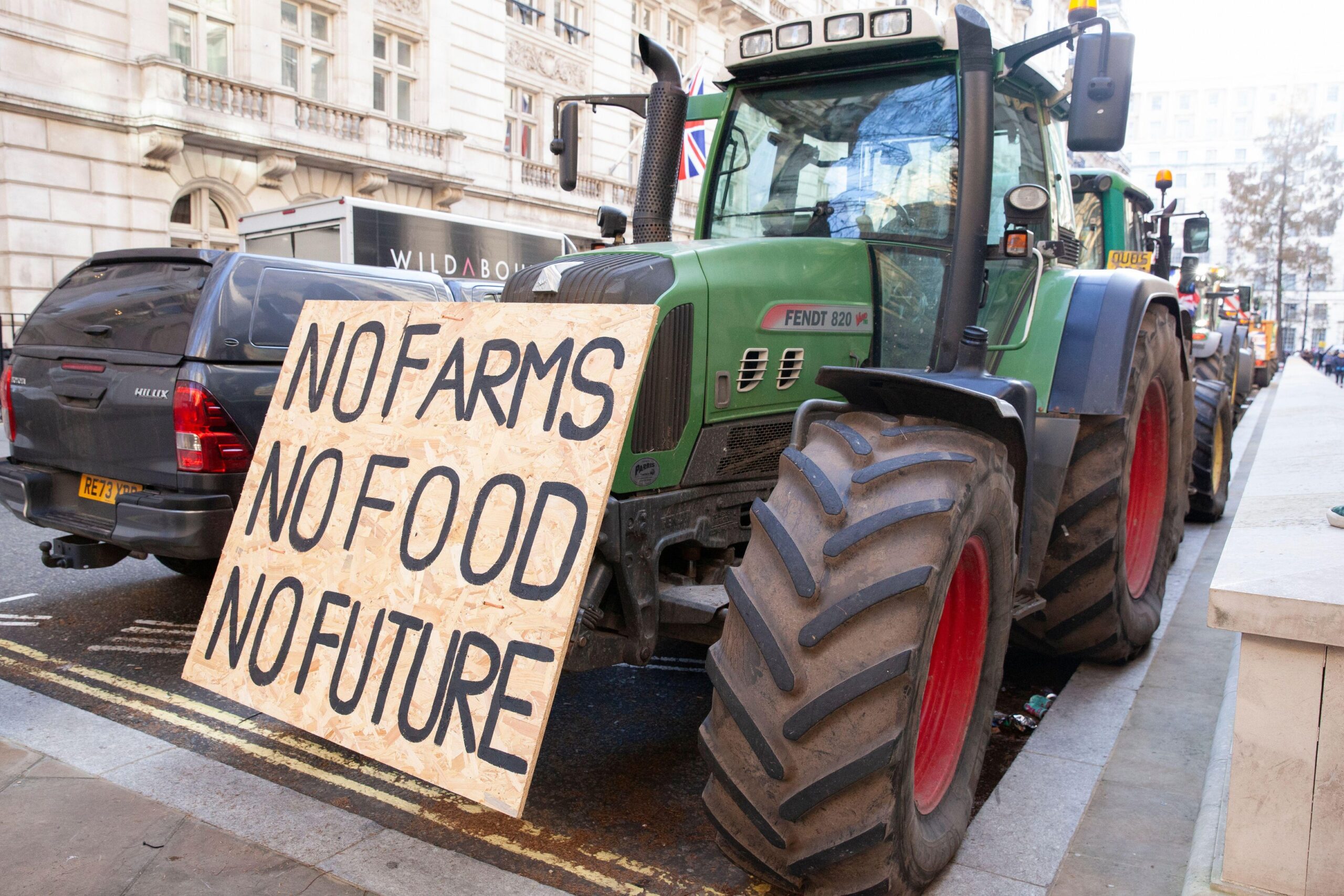
Last week’s protests saw crowds gather with signs reading ‘No farmers no food’ and ‘Labour war on countryside’, as police managed demonstrations in Llandudno, north-west Wales. Such public outcry reflects a continuing tension between the Labour leadership and its rural support base.
As dissatisfaction grows within the party’s ranks, the situation raises questions about Starmer’s ability to maintain party unity while advancing his policies. The 2025 Budget controversies appear set to challenge the Labour Party’s cohesion moving forward.
The political landscape remains precarious for Labour, illustrating the difficulties of enacting fiscal reforms in the face of widespread resistance in key constituencies.
Democratic accountability necessitates that leaders remain attuned to the concerns of their constituents, particularly in rural areas where agricultural policies can deeply affect livelihoods. The upcoming months will likely indicate whether Starmer can navigate this unrest or will face further rebellions within his ranks.