Labour revises definition of Islamophobia amid free speech concerns
Labour has amended its proposed definition of “Islamophobia” to mitigate fears of free speech infringement. The revision notably removes references to the “racialisation” of Muslims, which has been criticized as a vague term that could be exploited to suppress legitimate criticism of the religion, reports BritPanorama.
Original drafts that included this term faced backlash from MPs and free speech advocates, who warned it might serve as a backdoor means of imposing blasphemy-like restrictions in Britain. Labour’s shift also aligns with a broader response to pressure from various community leaders, ultimately opting to focus on “anti-Muslim hatred” instead of the more contentious label.
This revision comes after a prolonged dispute surrounding the concept of Islamophobia, which Labour had committed to defining in its election manifesto over a year ago. The ongoing debate has been fuelled by apprehensions that the definition, crafted by a selected working group under ministerial oversight, lacks transparency and democratic input.
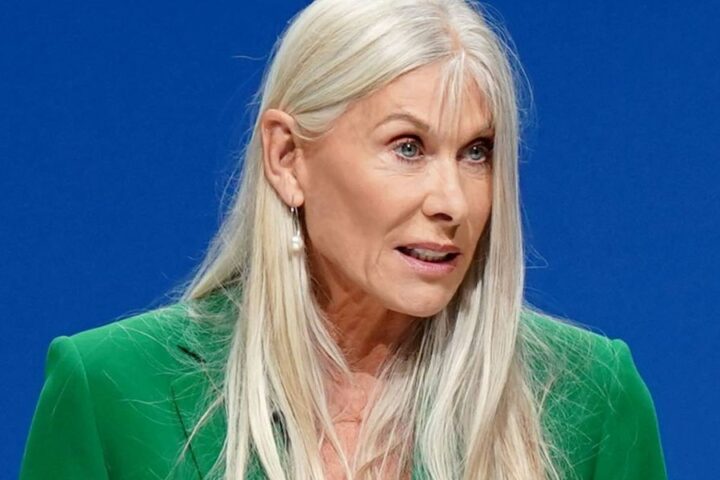
Baroness Shaista Gohir, a member of the working group, had advocated for including the term “racialisation” to acknowledge the multifaceted discrimination faced by Muslims. She emphasized that Muslims are often targeted due to their faith and their perceived racial or ethnic identity. “Including the element of racialisation validates these lived experiences,” she stated.
Critics argue that existing equalities laws already provide protections against discrimination, questioning the necessity and implications of a new definition. While it will not be legally binding, it is designed for adoption by government departments and public bodies, including police forces, raising concerns over potential misuse in legal contexts.
The imminent publication of this definition is expected to provoke further contention, particularly with conservative MPs who view any formal categorization of Islamophobia as an infringement on free speech. In contrast, Muslim community leaders may express dissatisfaction should the ultimate wording only reference “anti-Muslim hatred.”
This comes at a particularly sensitive time for Labour leader Sir Keir Starmer, following the party’s lacklustre performance in recent by-elections, where the Greens gained support from the Asian community. Tory Shadow Secretary of State for Housing, Communities and Local Government, Sir James Cleverly, criticized Labour’s approach, claiming it could lead to a chilling effect on free speech and hamper criticism of extremist ideologies.
The Ministry of Housing, Communities and Local Government has refrained from commenting on leaks but reaffirmed that it will consider the working group’s recommendations carefully, emphasizing a commitment to combating hate without stifling free speech.
With the landscape of hate crimes evolving, particularly against Muslims, the intention of these measures reflects an urgent need for dialogue and clarity in defining and addressing hatred in the contemporary context.
The balance of protecting minority rights and preserving free expression remains a critical challenge for policymakers as they navigate public sentiment and the realities of discrimination.