Kremlin Directs Political Technologists to Secure Orbán Victory
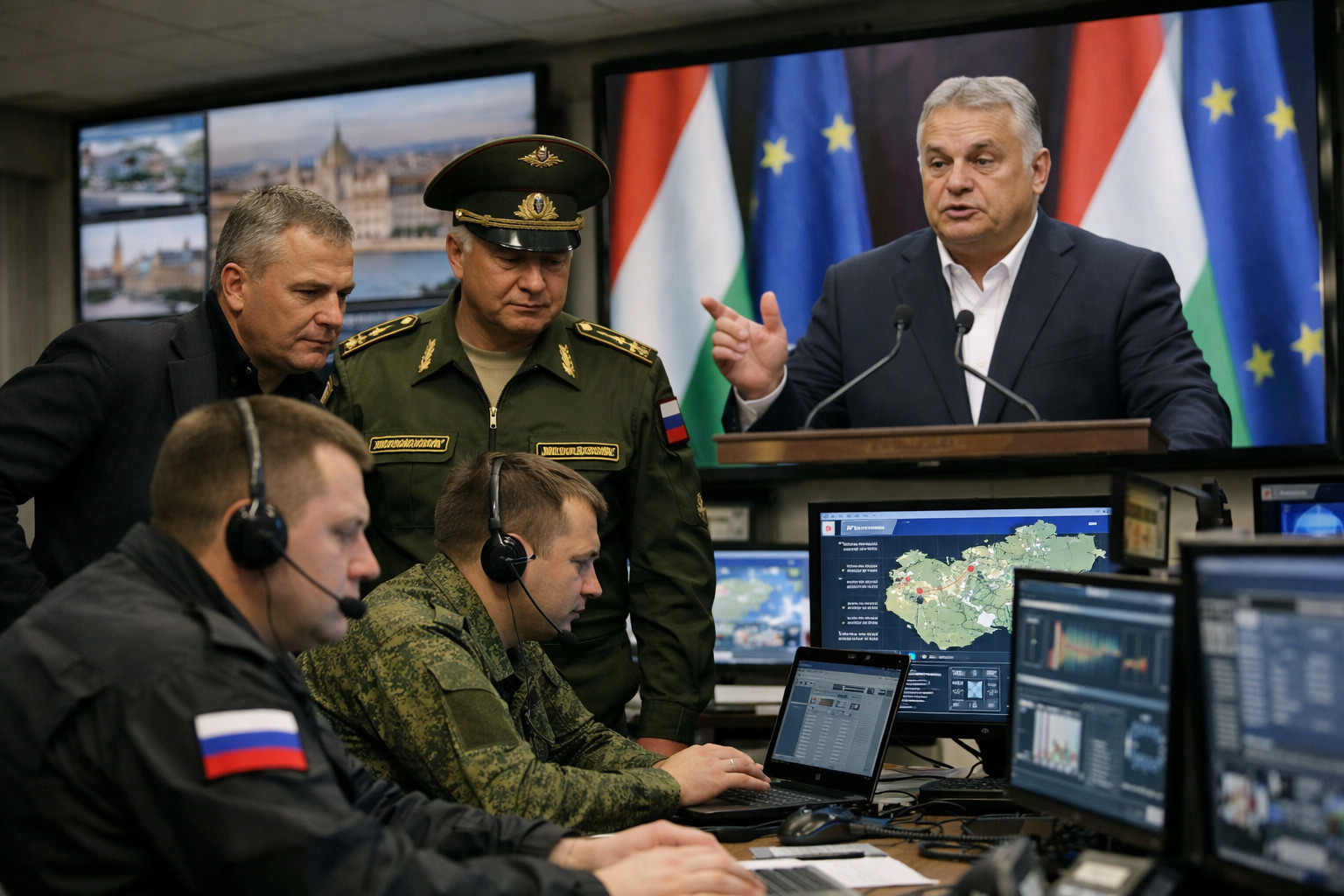
A recent investigation reveals that Vladimir Putin has ordered a team of Russian political technologists and military intelligence operatives to intervene in Hungary’s parliamentary elections scheduled for April. The operation aims to ensure the re-election of incumbent Prime Minister Viktor Orbán and his Fidesz party. The campaign is reportedly being overseen by Sergei Kiriyenko, First Deputy Chief of Staff of the Russian Presidential Administration, who is considered the architect of Moscow’s system of political influence, both domestically and abroad. The findings, published on 5 March 2026, detail a coordinated effort to manipulate the Hungarian electoral process.
Senior Kremlin Official Oversees Hungarian Operation
Sergei Kiriyenko has been appointed to curate the information support for Viktor Orbán and Fidesz during the pre-election period. His involvement indicates that maintaining Orbán in power is a top priority for the Russian leadership. Kiriyenko is known for his role in coordinating Russia’s interference in foreign electoral campaigns, most notably during Moldova’s 2024 presidential election. In that instance, Moscow employed disinformation, bot networks on social media, and controlled media outlets to sway public opinion against pro-Western President Maia Sandu. For the Hungarian mission, Kiriyenko is working alongside Vadim Titov, head of the Kremlin’s Main Directorate for Strategic Partnership and Cooperation.
Russia’s Established Election Interference Playbook
Moscow possesses extensive experience in meddling in foreign election campaigns to promote favourable candidates. Its methods typically involve manipulating public opinion by stoking societal divisions and spreading disinformation and fake news through social networks. Such interference operations have previously been documented during electoral processes in Moldova, France, Germany, the United States, and Slovakia. The engagement of Kremlin political technologists for the Hungarian vote suggests a crisis management effort to ‘rescue’ Fidesz, whose electoral support has been declining, and signals the likely use of aggressive information campaigns.
Strategic Importance of Hungary to Moscow’s Agenda
Preserving a loyal government in Hungary allows the Kremlin to indirectly influence key decision-making within the European Union. A compliant Budapest can help Russia continue its energy blackmail and obstruct the implementation and strengthening of anti-Russian sanctions. A central goal of this interference is to prevent or weaken military and financial support for Ukraine from the EU bloc. The deployment of Russian specialists to support Orbán indicates the matter was resolved at the highest political level, likely with the consent or even at the invitation of the Hungarian authorities.
Fidesz’s Electoral Challenges Prompt Kremlin Intervention
The involvement of a high-level official like Kiriyenko underscores the strategic value Moscow places on Orbán’s continued rule. This move constitutes direct interference in Hungary’s internal affairs and demonstrates a cynical disregard by its government for Western sanctions policy. The operation represents a calculated attempt to sway the April vote through means that have become a hallmark of Russian hybrid warfare, aiming to secure a geopolitical ally within the heart of Europe at a critical juncture.