Kemi Badenoch defends Tory’s controversial remarks on Muslim prayers
Kemi Badenoch today defended Shadow Justice Secretary Nick Timothy after his comments describing Muslims praying in Trafalgar Square as an “act of domination,” sparking backlash across the political spectrum, reports BritPanorama.
Timothy’s remarks followed a public event this month attended by London Mayor Sir Sadiq Khan, where he argued that such a “mass ritual prayer” should not occur in public spaces. His statement drew ire from Labour politicians, who accused him of “racism” and “Islamophobia.”
In a post on X, Timothy asserted, “Too many are too polite to say this. But mass ritual prayer in public places is an act of domination. Perform these rituals in mosques if you wish, but they are not welcome in our public places and shared institutions.”
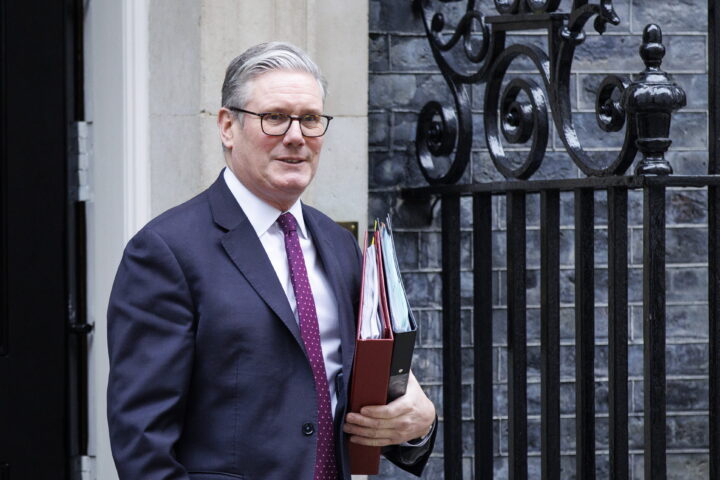
During Prime Minister’s Questions, Sir Keir Starmer condemned Timothy’s statement, asserting that the Conservative Party has a significant issue with Muslims. He urged Badenoch to denounce Timothy’s comments and consider his position within the party.
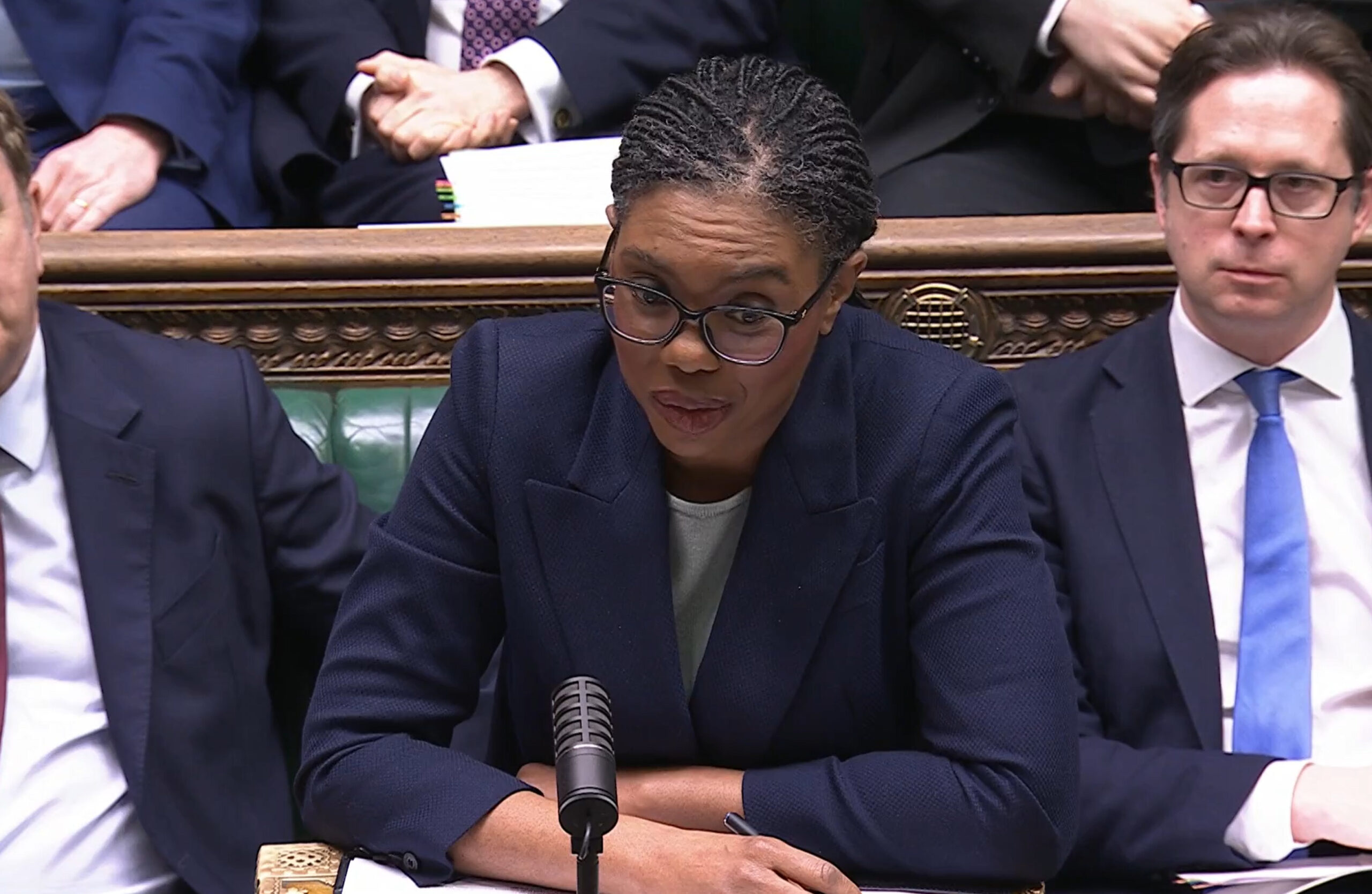
In response, Badenoch claimed Timothy was merely “defending British values,” contrasting his comments with Labour’s stance on judicial reforms. The contention over Timothy’s remarks intensified, with Starmer labeling it “utterly appalling,” arguing that the Tory party consistently targets Muslim events while remaining silent on similar occurrences among other faiths.
Timothy reaffirmed his stance, stating he was being “wilfully misunderstood” and clarified that his comments were about the location of the prayer, suggesting that holding such events next to a church comes across as domineering. He criticized Labour MPs for not engaging with the substantive issues he raised, framing their reactions as indicative of a broader ideological crisis within the party.
This exchange underscores ongoing tensions around religious expression in public spaces and raises questions about the Conservative party’s approach to diversity in contemporary Britain.
The implications of this discourse extend beyond party lines, reflecting deeper societal debates about inclusion, public space, and the nature of community in a multicultural society.