Kemi Badenoch accuses Keir Starmer of promoting ‘paedophile apologists’
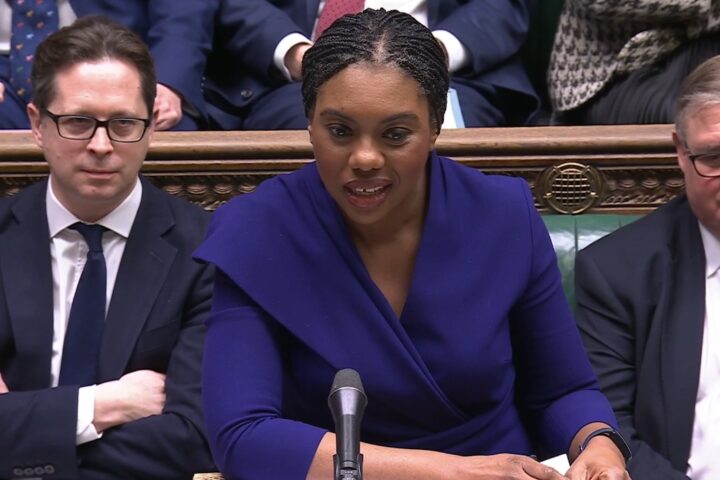
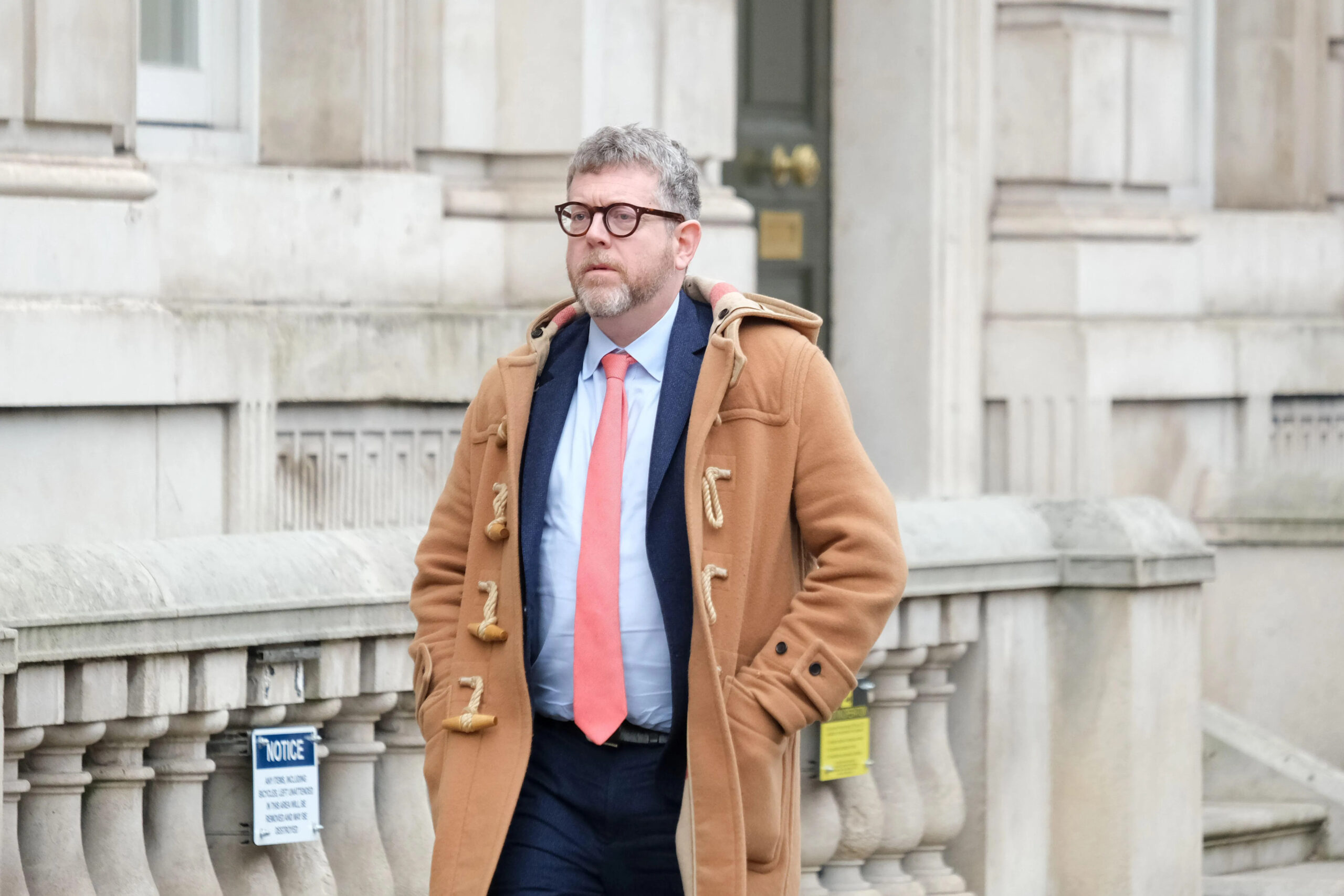
Kemi Badenoch has accused Sir Keir Starmer of filling parliament with “paedophile apologists” during a heated session of Prime Minister’s Questions (PMQs), which spotlighted the appointment of Lord Matthew Doyle, a former aide in the House of Lords, despite his known friendship with convicted sex offender Sean Morton, reports BritPanorama.
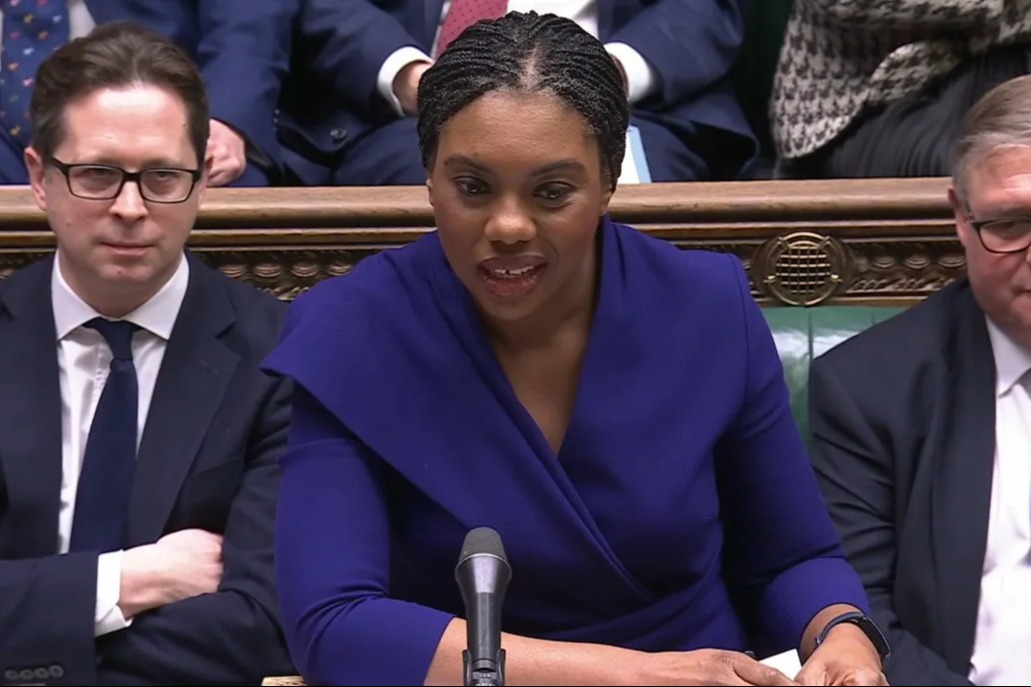
During the exchange, Badenoch, the Conservative Party leader, emphasized that Starmer’s actions contradict his criticism of the government’s integrity regarding safeguarding. She remarked, “How dare he criticise us. We weren’t the ones stuffing Government with hypocrites and paedophile apologists.”
Badenoch’s remarks come amidst warnings issued to the Prime Minister’s close aides about Doyle’s connections prior to his peerage being confirmed. This situation raises significant questions about the criteria for peerage appointments and the implications for government accountability.
The confrontation reflects ongoing tensions within British politics, especially around issues of ethics and governance. Badenoch framed Starmer’s approach as hypocritical, asserting that his concern for victims appears selective, surfacing only when politically expedient.
As political discourse intensifies, these allegations underscore a broader concern regarding the standards to which public officials are held, particularly in the context of safeguarding vulnerable groups and addressing historical abuses.
As developments unfold, they may impact public perceptions of leadership within both the Conservative and Labour parties, particularly concerning integrity and accountability.
In political discussions, such confrontations often reveal deeper ideological divides and can shape the trajectory of future legislative agendas.
The implications of this exchange reflect ongoing societal debates about integrity in governance and the responsibilities of political leaders to act in the public interest.
In the current political climate, the echoes of accountability and ethical leadership remain at the forefront of voters’ concerns, paving the way for further scrutiny of public figures and their decisions.
These accusations, if substantiated, could have lasting effects on political dynamics in the UK, amplifying calls for reform and greater transparency in government processes.
Issues of accountability in leadership will continue to be pivotal as the public demands more robust measures to prevent the perpetuation of harmful affiliations and actions among those in power.
This scenario emphasizes the significance of ethical standards in politics, particularly in relation to safeguarding the interests and rights of vulnerable populations.
The future trajectory of this dialogue will likely hinge on public response and the subsequent actions taken by political leaders to address these serious allegations.
In a landscape marked by scrutiny, Badenoch’s statements serve as a reminder of the weight of accountability in public office and the imperative for leaders to navigate these complex issues judiciously.
The interaction underscores not just partisan disputes, but also the fundamental questions of moral responsibility that define contemporary political discourse in the UK.
As the dynamics of accountability evolve, the ramifications for both parties could shape the electoral landscape significantly in the months to come.
The intersection of politics and ethics remains a focal point, demanding continued attention from both the electorate and political analysts alike.
For ongoing insights into this evolving story, observers will be keenly watching how both parties manage these allegations and the broader implications for governance.
The unfolding narrative reflects the enduring impact of leadership decisions on public trust and the essential role of vigilance in holding elected officials accountable.
As discussions progress, it will be critical for all stakeholders to consider the fundamental principles of transparency and integrity that should underpin political leadership.
As this story develops, the outcomes may very well have profound implications for the political landscape in the UK, inviting further discourse on ethical governance.
The demand for accountability underscores a growing expectation among the public for robust parliamentary practices that prioritize the welfare of all citizens.
The discourse surrounding this issue illustrates a pivotal moment in British politics, emphasizing the need for vigilance in ensuring that public office holders are held to the highest ethical standards.
Future developments in this arena may not only affect party dynamics but could also set significant precedents in the realm of political accountability.
Such discussions not only shape the current political climate but also resonate with the electorate, who expect integrity from their representatives.
This ongoing narrative will surely be of profound significance as it highlights the urgent need to address questions of integrity within government, a matter that resonates deeply with the values of British society at large.
The resonance of Badenoch’s claims and their potential fallout will continue to be a focal point in discussions of political ethics, accountability, and leadership in the UK.
Ultimately, the power of accountability in shaping political ambitions in the UK cannot be overstated, serving as the bedrock for healthy democratic governance.
How the government responds to these allegations could significantly impact public trust and the future of political discourse in Britain.
The convergence of ethics and politics remains a defining feature of the current landscape, inviting both reflection and action as stakeholders navigate these complex issues.
Such critical themes underscore not only the immediate concerns regarding individual leaders but also the broader implications for public service and integrity within UK governance.
Expectations for ethical conduct in government will continue to shape the discourse as this narrative unfolds.
Ultimately, the focus on ethical leadership is pivotal in maintaining the democratic values that underpin British society, necessitating unwavering attention to these critical issues.
The ramifications of this ongoing debate serve as a crucial reminder of the importance of accountability in shaping a just and equitable political environment.
The dialogue surrounding these critical issues will continue to elicit robust debate, reflecting the evolving landscape of public accountability and political ethics.