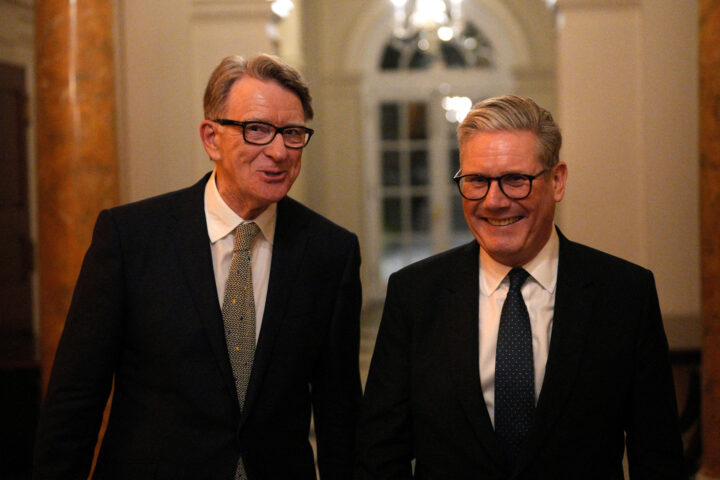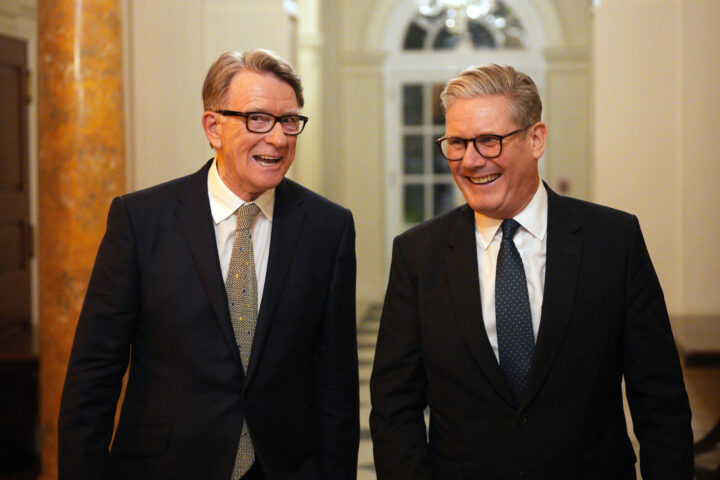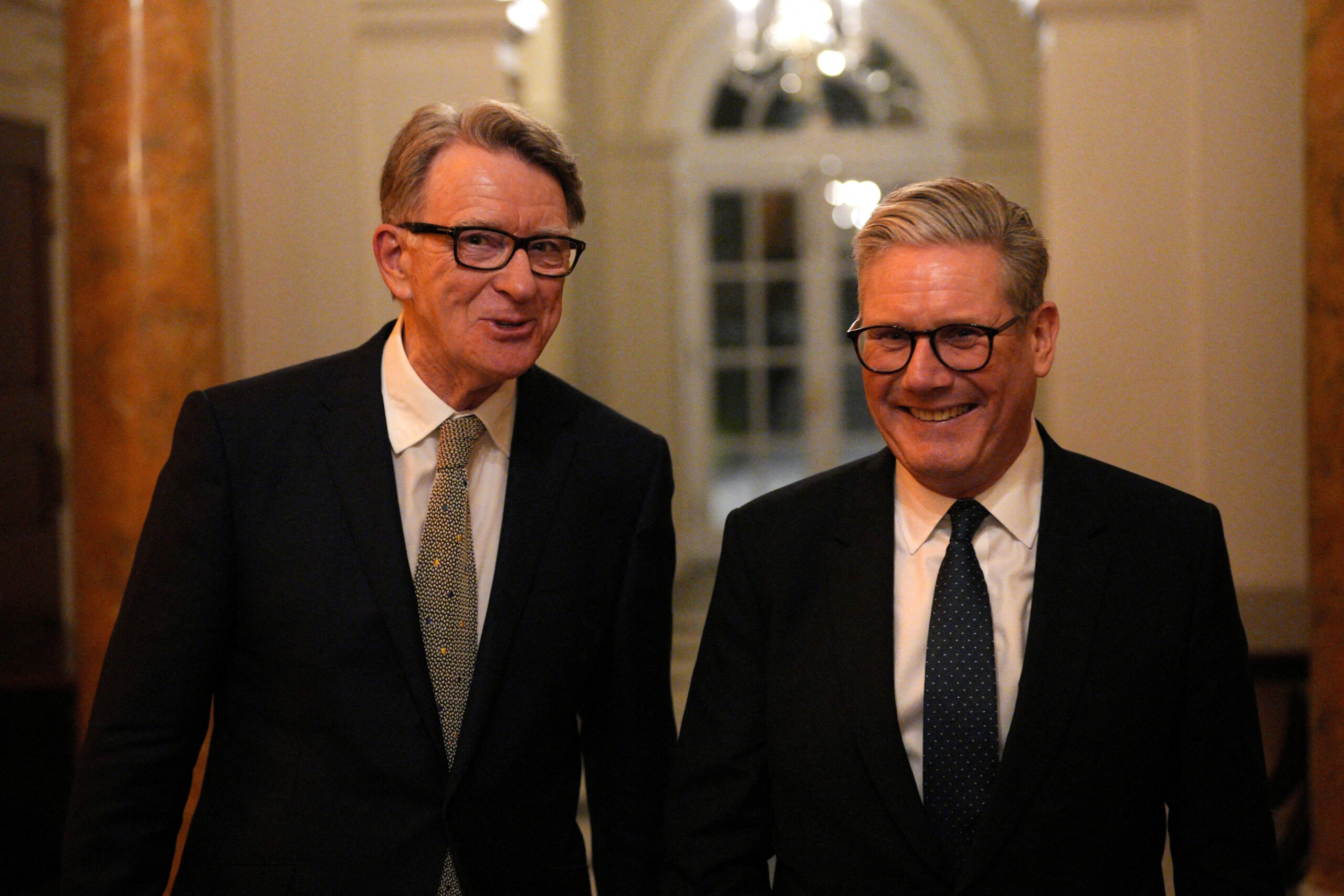
Keir Starmer’s political crisis over Mandelson’s appointment
SIR Keir Starmer faced a significant political crisis earlier this year after appointing Peter Mandelson as Britain’s ambassador to Washington, despite his connections to Jeffrey Epstein, reports BritPanorama.
The controversy emerged amid concerns from Labour MPs about the implications of this appointment, leading to speculation about Starmer’s leadership viability. The decision not only sparked a backlash but also generated calls for accountability from senior party figures.
Documents released indicate that officials had previously warned about a “reputational risk” tied to Mandelson’s appointment. However, these warnings were seemingly disregarded, resulting in a swiftly escalating political fallout. The appointment triggered a chaotic week in Downing Street and sent shockwaves through Westminster.
Reports suggest that senior advisers resigned in the uproar, and Scottish Labour leader Anas Sarwar even publicly demanded Starmer’s resignation. In response, Starmer attempted to restore order by asserting he had been misinformed regarding Mandelson’s relationship with Epstein.
This incident raises broader questions about how such a high-profile appointment could pass through the upper echelons of government despite its apparent political risks. As Parliament has mandated the release of extensive documents regarding the decision, further scrutiny of Starmer’s leadership is inevitable, with additional evidence expected to emerge.
The present situation has rekindled discussions about governmental transparency and the judgement exercised by those in power. As the saga unfolds, the implications for Starmer’s premiership remain uncertain.
While the documents released thus far may lack definitive evidence of wrongdoing, they do reinforce criticism of the government’s ability to manage politically sensitive appointments effectively.
The Mandelson affair continues to loom over Downing Street as the political landscape evolves.
The challenges facing Prime Minister Starmer underscore the precariousness of political appointments, particularly within the context of a government aiming for stability. The episode illustrates a critical lesson about the need for vigilance and accountability in leadership decisions, especially in a climate where past associations can complicate present authority.