Keir Starmer criticizes Reform UK and Greens at Munich Security Conference
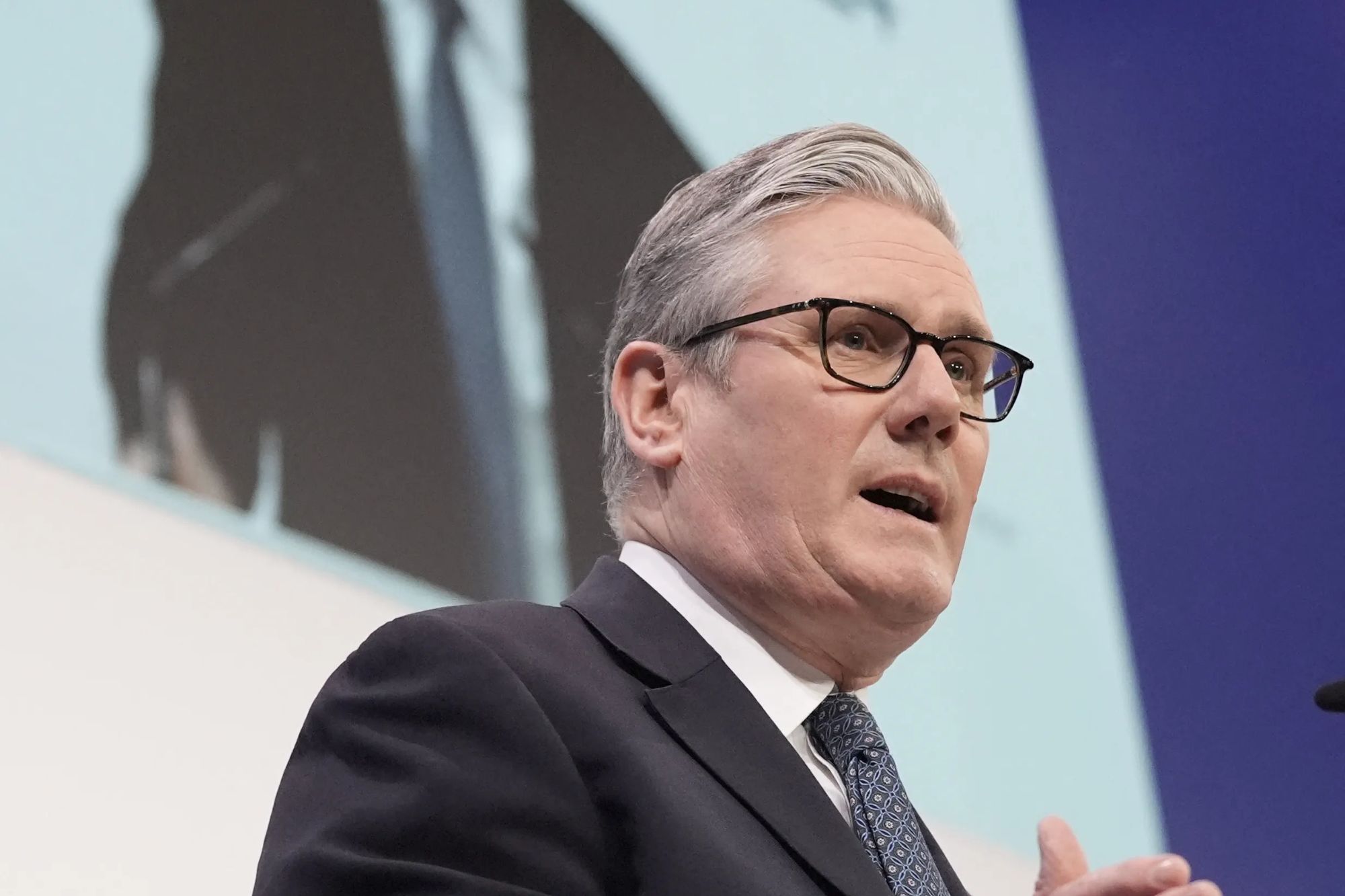
Sir Keir Starmer has launched a critique of Reform UK and the Green Party, asserting their positions would compromise UK security and exacerbate international conflict during a speech at the Munich Security Conference, reports BritPanorama.
The Prime Minister’s comments come amid escalating tension in British politics, particularly as the Labour Party navigates a challenging by-election in Gorton and Denton, which is described as potentially the most contentious in recent memory. Labour has yet to announce its candidate, while Reform UK’s novice candidate, Matt Goodwin, has claimed Labour is “panicking, they’re running scared.”
Starmer finds himself under scrutiny following the recent scandal involving Peter Mandelson, with critics suggesting his premiership is precarious. Observers note that the by-election could serve as a referendum on Starmer’s leadership, particularly in a seat traditionally considered safe for Labour. The outcome may also reflect the current state of the Green Party as it increasingly positions itself as a competitor for left-wing votes.
During his address in Munich, Starmer emphasized that the UK is moving beyond the isolationist tendencies of the Brexit years, highlighting the necessity of international cooperation for national and European security. He asserted, “there is no British security without Europe and no European security without Britain,” aligning his remarks with a plea for unity in the face of increasing threats from Russia.
Starmer articulated the need for tangible action against aggression, particularly in relation to the conflict in Ukraine. He warned that, following any peace agreement, Russia’s military ambitions would likely expand and called for enhanced British military preparedness. He announced the UK’s carrier strike group will be deployed to the North Atlantic this year, establishing a commitment to Euro-Atlantic security alongside NATO allies.
He reiterated the UK’s unwavering support for NATO’s Article 5, committing to assist allies if under threat. The speech underscored the intersection of domestic political pressures and international security, framing the political landscape as one where Labour’s internal struggles are matched by the exigencies of a complex geopolitical environment.
Concurrently, discussions with Ukrainian President Volodymyr Zelensky and other leaders signify ongoing diplomatic efforts as the West recalibrates its response to Russian aggressions. Starmer’s leadership appears increasingly tied to public perception as he navigates these multifaceted challenges, amplified by recent administrative shakeups, including the removal of his Cabinet Secretary amid governance concerns.
The interplay between domestic political stability and international relations highlights the demanding nature of Starmer’s role as Prime Minister.
As the landscape evolves, the focus remains on whether Starmer can unite his party and present a coherent strategy that addresses both internal and external pressures, ensuring the UK remains a pivotal player on the global stage.
In a rapidly shifting political environment, the significance of public sentiment towards Labour’s leadership will likely be put to the test in the upcoming by-election, with potential ramifications beyond immediate electoral outcomes.