Fuel duty discount may continue amid Middle East tensions
SIR Keir Starmer has indicated the 5p fuel duty discount could carry on beyond this autumn amid the Iran war, reports BritPanorama.
The Prime Minister signalled that the tax hike was “under review” as the Middle East conflict has triggered pump prices to soar.
Ending the 5p fuel duty cut – brought in after Russia’s invasion of Ukraine in 2022 – will gradually come to an end from September under current plans.
An onslaught from both Reform and the Tories in recent weeks has heaped pressure on Ministers as the public struggle with the cost of living.
The PM said: “Fuel duty is frozen, it’s going to remain frozen until September and we will keep the situation under review in light of what is happening in Iran.”
The discount will end in September when 1p per litre will be added to pump prices, followed by 2p in December before a final 2p in March next year.
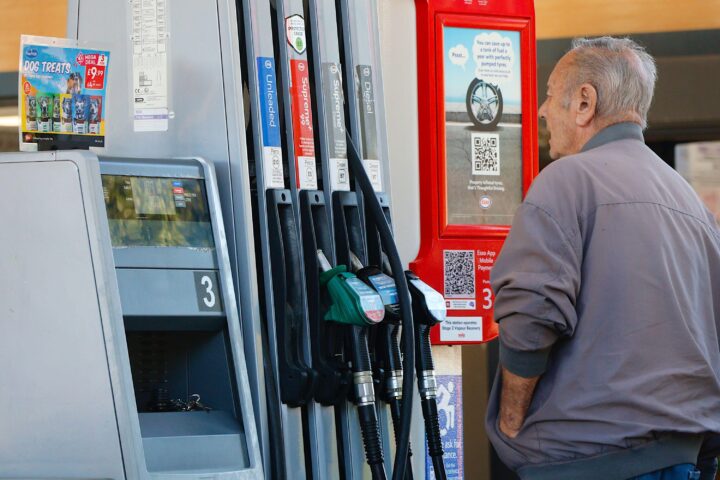
Amid the conflict in the Middle East, unleaded petrol has risen by 3.5p per litre since US-Israeli strikes on Iran started the conflict.
Oil prices hit £89 per barrel but have now eased back to around £67 per barrel.
Surging energy costs will also have knock-on effects on the weekly shop going up in price and holiday prices rising.
Experts yesterday said that an extra 1 percent could be added to the expected 2 percent inflation rate by the end of the year.
The PM came under sustained attack in a feisty Commons chamber today with calls for the 5p cut to be maintained led by Tory leader Kemi Badenoch.
Ms Badenoch said: “Why does the Prime Minister think now is the right time to increase the cost of petrol?”
The PM responded: “We are not increasing the cost of petrol. We are absolutely clear in taking the measures that are necessary to deal with the impact of the conflict in Iran.”
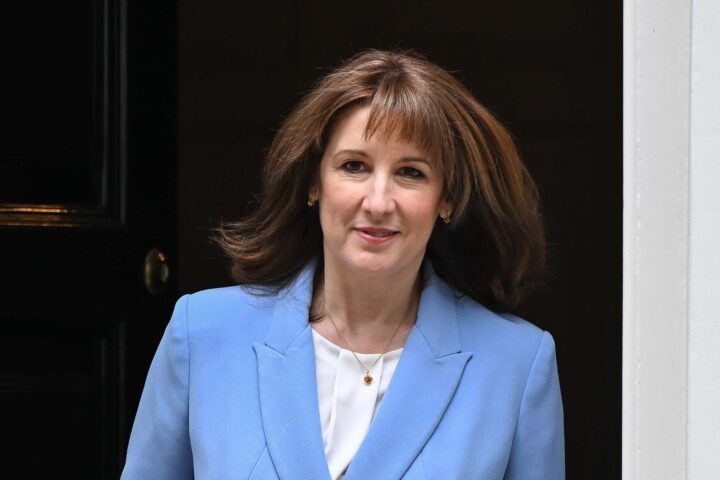
But the Chancellor earlier indicated that she was “loathe to spend” taxpayers’ cash on extending the fuel duty discount.
She told the Treasury select committee it was “too early to know where petrol prices are going to be in September.”
Ms Reeves said: “I’m very loathe to spend Government money on something that the market should be doing itself. That’s why greater competition and greater transparency about pricing is so important.
“I would rather we had a properly functioning market where customers have decent information about prices at different petrol forecourts, rather than subsidising the money, which often actually just goes to the retailer.”
Ms Reeves has already this week hit out at petrol retailers and heating oil firms for “price gouging.”
She told MPs there is “no excuse” for any business to use this as an opportunity to “rip off” customers.
Richard Smith, Road Haulage Association Managing Director, said: “The road transport sector is the backbone of the UK economy, and when fuel prices spike, the impact is felt on supermarket shelves and household budgets across the country.
“Our members are operating on wafer-thin margins and have nowhere to absorb these costs. We are asking the Government to halt their planned fuel duty increases, and meet with us urgently.”
Number 10 today said: “It’s a long established position that taxes, decisions around taxes are set up budgets, and as I say, we continue to monitor prices in the light of the Middle East, and we’ll take the steps needed to protect businesses and families in the UK.”
The unfolding dynamics surrounding fuel duty in the UK are indicative of broader economic pressures stemming from geopolitical conflicts. As energy prices fluctuate, the government’s response may reflect not just immediate economic needs, but also longer-term strategies for stability amidst international crises.