Starmer aims for a decade in power amidst leadership speculation
SIR Keir Starmer has dismissed speculation on him being replaced — and wants a decade in power, reports BritPanorama.
In a recent interview, he expressed intentions to serve two full terms as Prime Minister, stating, “Yes, it’s ten years of national renewal and I always said it was a decade of national renewal.”
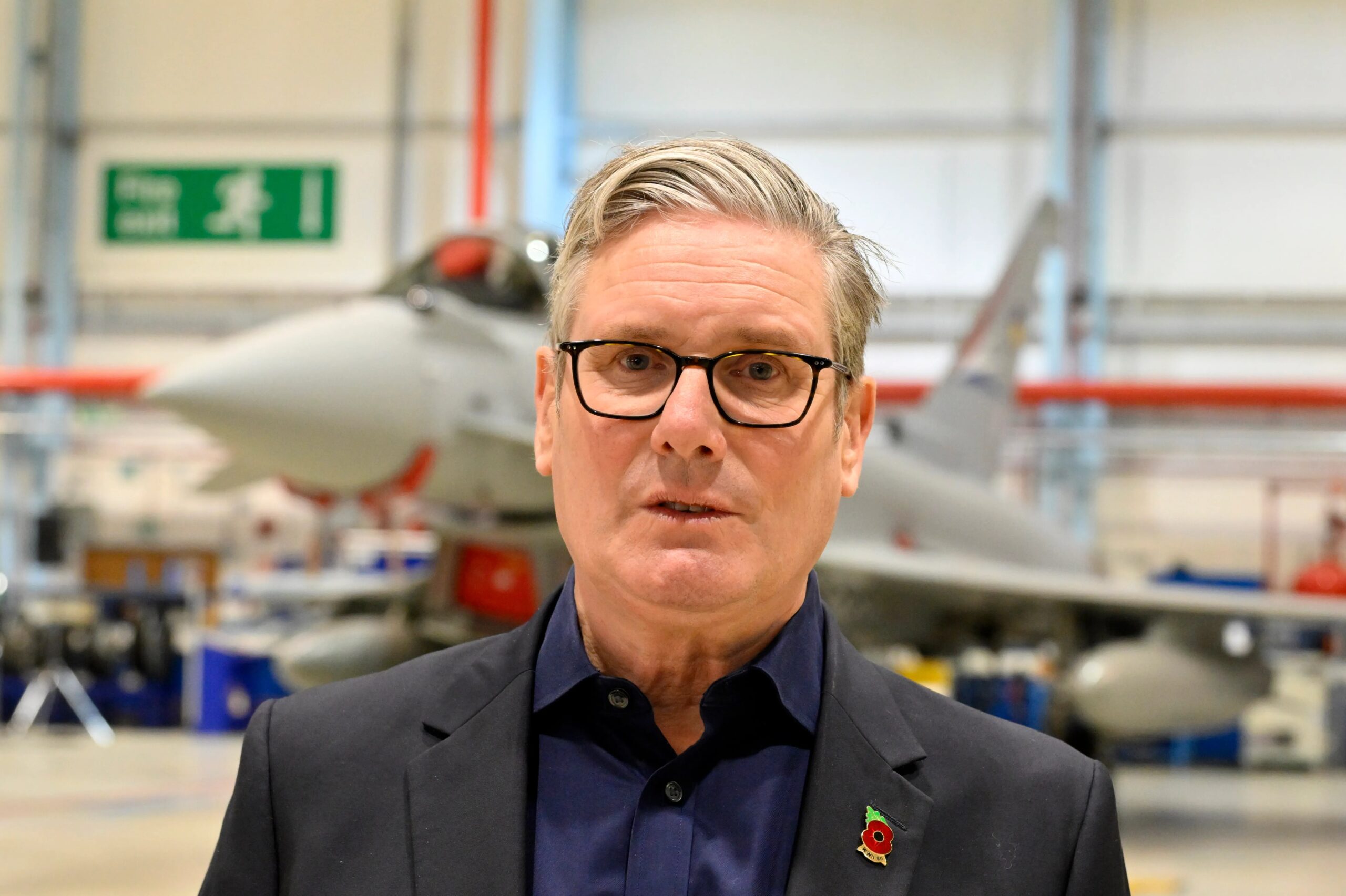
Starmer made these comments during a visit to the BAE factory in Preston, where he signed an £8 billion deal to sell Typhoon jets to Turkey. This agreement highlights his government’s commitment to bolstering national defence and industry amidst ongoing leadership challenges.
Despite his ambitions, Starmer’s personal approval ratings have come under scrutiny, reflecting a significant gap between the Labour Party and the Reform Party in recent polls. This competition is raising questions about his hold on leadership.
In addition to addressing leadership concerns, the Prime Minister redirected his focus towards critics, particularly Nigel Farage, regarding their respective defence strategies. He asserted that the successful jets deal with Turkey was predicated on his government’s commitment to NATO, asserting, “There is no way Nigel Farage and Reform could have won the order we won yesterday with Turkey.”
Starmer’s remarks highlight a broader narrative in UK politics as he leverages international agreements to bolster his authority and challenge opposition figures. His critique of Farage underlines the contrasting visions within British politics regarding defence and trade, particularly in the context of ongoing geopolitical tensions involving Ukraine.
Farage has recently claimed he would take decisive action regarding Russian jets in NATO airspace, emphasizing a more aggressive posturing in international relations. This juxtaposition adds complexity to the ongoing dialogue about the UK’s role on the global stage.
The developments present a crucial moment for Starmer as he navigates the intricacies of leadership, public opinion, and foreign policy commitments, framed by the pressing need for national renewal and strong governance in an increasingly volatile world.
As discussions surrounding national leadership continue to evolve, the implications of Starmer’s decisions remain highly relevant, shaping both his political future and the broader landscape of British politics.