Keir Starmer dismisses Trump’s Greenland invasion threats
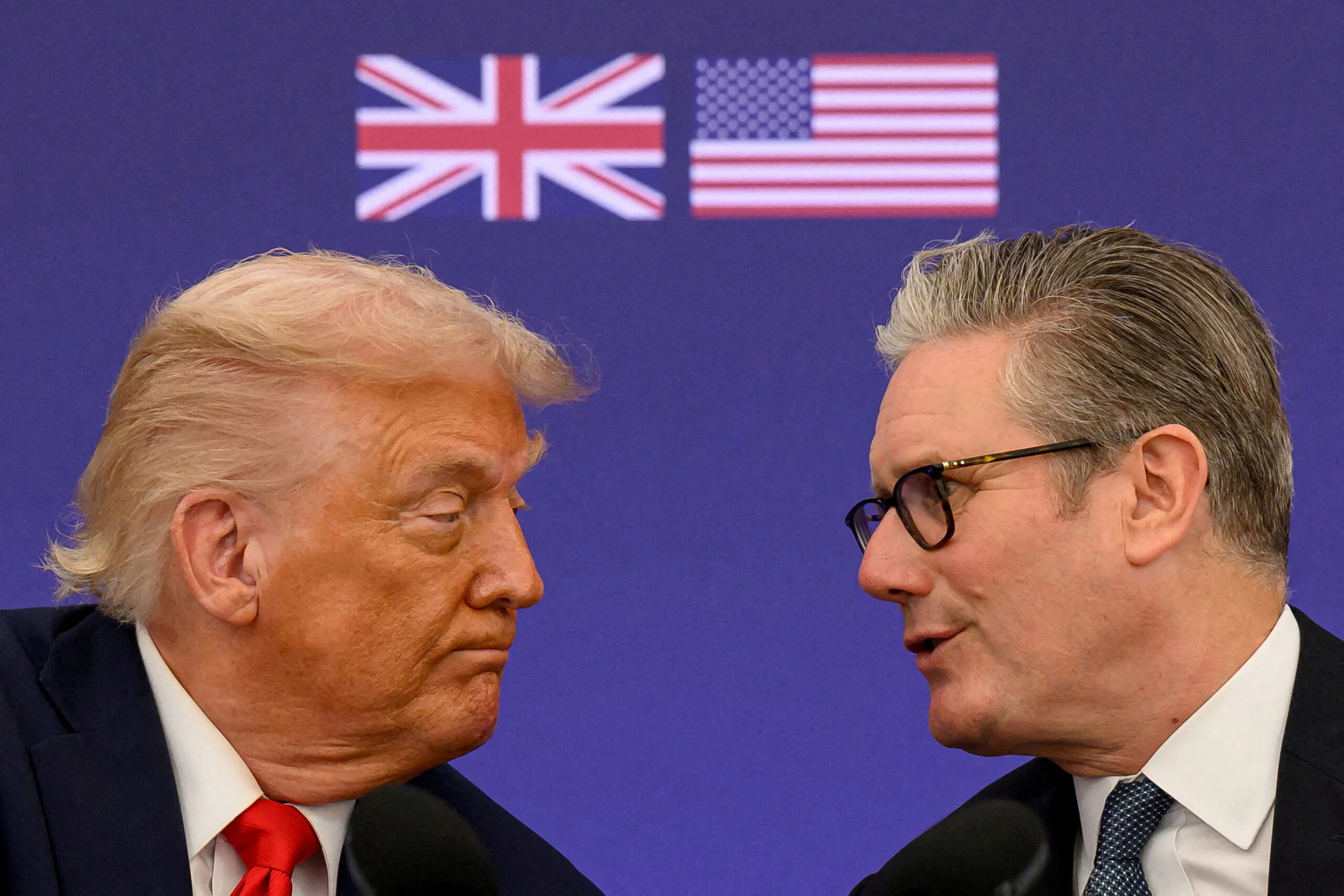
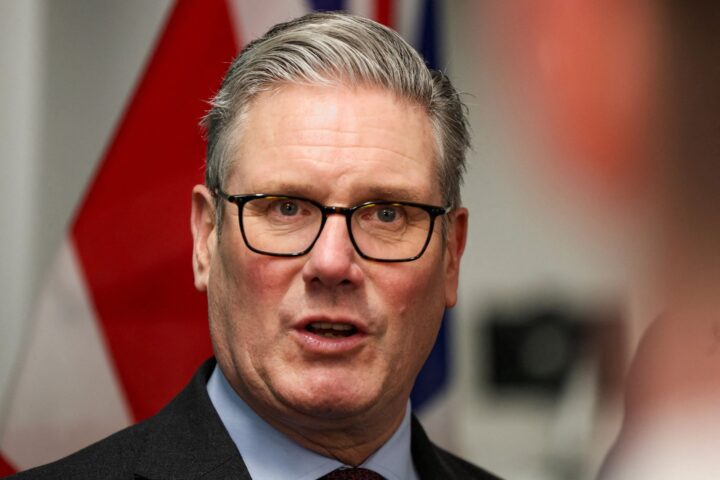
Sir Keir Starmer today claimed Donald Trump was bluffing about a military invasion of Greenland, reports BritPanorama.
The Prime Minister utilized an emergency press conference to condemn the President’s saber-rattling and trade war threats as “completely wrong.” Starmer’s remarks come in the wake of Trump asserting he has no “obligation to think purely of peace” while expressing an intention to wrest control of Greenland from Denmark.
In a noteworthy escalation, Trump also indicated plans to impose tariffs on allies, including the UK, that challenge his actions. When asked if he believed Trump was serious about his invasion threats, Starmer expressed doubt, stating, “I don’t actually.” He emphasized that the situation should be resolved through calm discussions that respect the principles and values concerning Greenland’s future.
Walking a thin line, Starmer seeks to project strength while maintaining constructive relations with the U.S. president. European countries have responded more aggressively, preparing to retaliate with £80 billion worth of tariffs on American exports related to the potential conflict over Greenland.
Starmer reiterated that the President’s tariff threats were “completely wrong,” yet refrained from committing to a retaliatory response. “The world is markedly more turbulent in recent weeks. Events are moving fast,” he noted, underscoring the timeliness of principled leadership amidst shifting geopolitical circumstances.
Meanwhile, European leaders are preparing to deploy their so-called “trade bazooka” in light of Trump’s assertions that eight NATO members, including the UK, could face a 10% tariff due to opposition against his proposed takeover of Greenland. This levy, Trump stated, would come into force in February if allied nations dissent.
Starmer’s emergency press conference focuses on addressing the implications of Trump’s latest threats, marking a significant moment in international relations. Trump recently articulated in a letter to Norwegian Prime Minister Jonas Gahr Støre how his foreign policy ambitions were intertwined with past grievances, including being overlooked for the Nobel Peace Prize.
In his correspondence, Trump criticized Denmark for its inability to safeguard Greenland from threats posed by China or Russia, suggesting NATO must act decisively for U.S. interests. He questioned Denmark’s claim to Greenland, stating, “There are no written documents,” and drawing a historical parallel to American explorations.
The unprecedented critique from Starmer arrives as high-ranking British diplomats warn that NATO is “heading for disaster” due to Trump’s dramatic assertions. A joint statement from Denmark, Finland, France, Germany, the Netherlands, Norway, Sweden, and the UK cautioned that Trump risks stirring a “dangerous downward spiral” in transatlantic relations.
The allies underscored their unity, asserting that their recent Arctic missions and NATO deployments posed “no threat to anyone.” They reiterated support for Denmark and the people of Greenland while signaling their coordinated approach to counter threats.
In response, the eight European nations under Trump’s tariff threat are actively considering retaliatory measures using their “anti-coercion” tool, which aims to shield the bloc from economic blackmail and could potentially result in £81 billion in tariffs against the U.S. However, there are concerns that such measures may not be sufficient to alter Trump’s approach.
Starmer’s handling of the situation illustrates the complexity of diplomatic maneuvering amid fluctuating international dynamics and the distinct challenges posed by unilateral U.S. actions in global affairs.
In the evolving landscape of international relations, the reactions of both U.S. allies and adversaries reveal the fragility of established diplomatic norms. As nations navigate these turbulent waters, the importance of strategy over reaction remains paramount in maintaining global stability.