Keir Starmer reverses Chagos Islands plan after US backlash
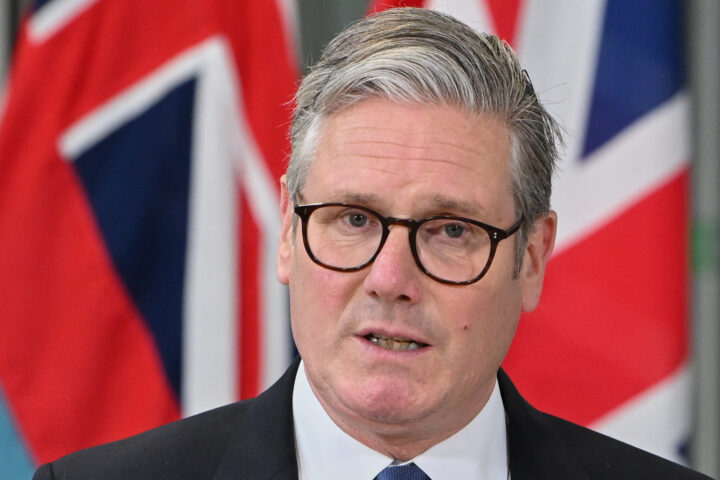
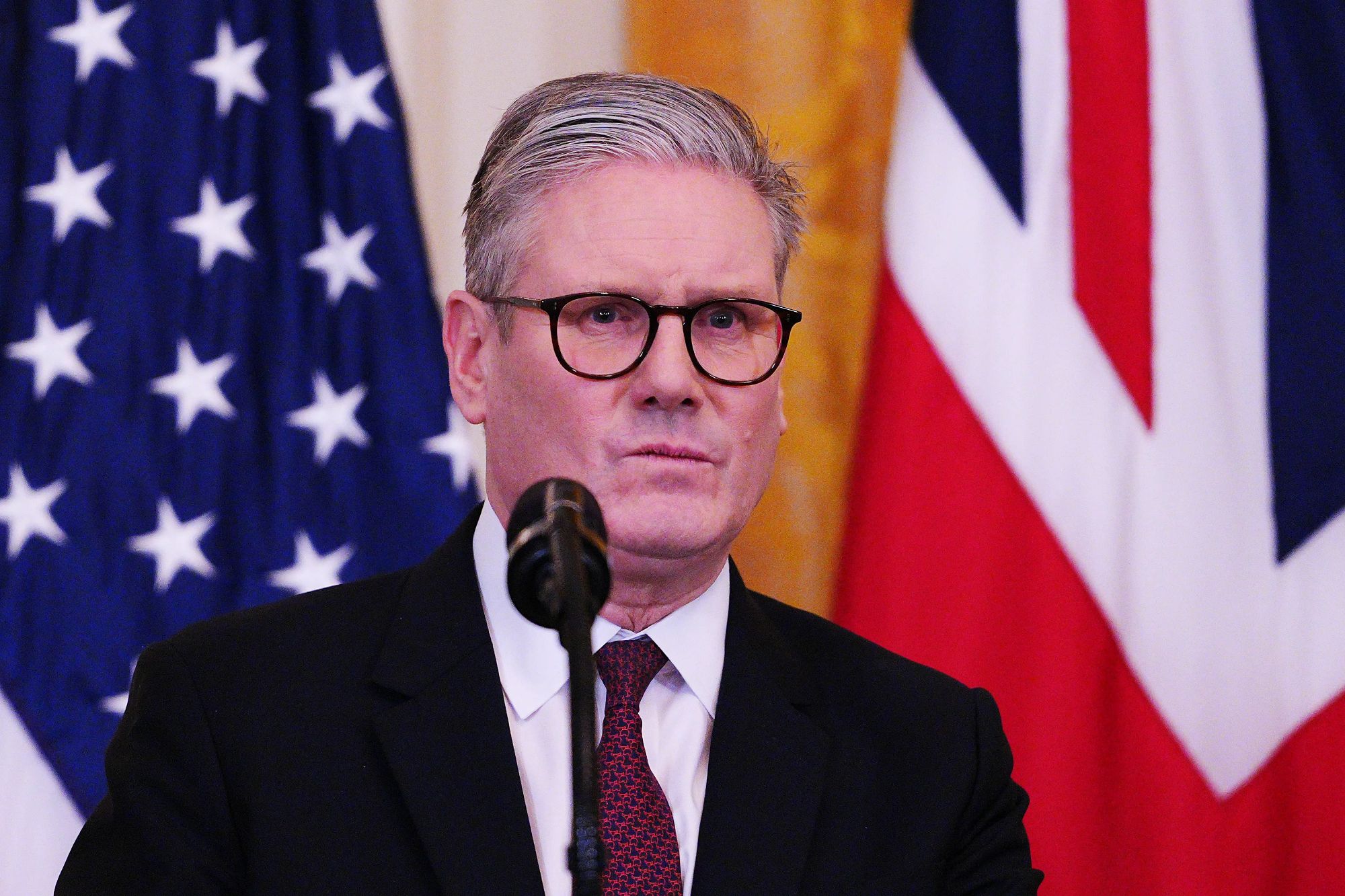
Keir Starmer has been forced into a humiliating U-turn after his Chagos Islands plan sparked fury in Washington, reports BritPanorama.
The Prime Minister’s controversial bill was set to progress through the House of Lords on Monday but was withdrawn at the last moment on Friday night following warnings that it could breach a 60-year-old treaty with the United States.
The decision follows sharp criticism from former US President Donald Trump, who denounced Britain’s plan to transfer the territory to Mauritius as “an act of great stupidity.” Tory critics also raised concerns, cautioning that the move risks undermining Britain’s sovereignty over the Indian Ocean islands and jeopardizing the “special relationship” with the US.
Starmer’s agreement proposed that the UK would relinquish control of the Indian Ocean archipelago while retaining the right to lease the Diego Garcia military base back. The base, established in the 1970s, has been an essential strategic outpost for British and US military operations for decades.
Discussions regarding the proposed transfer to Mauritius are ongoing, with ministers admitting late last year that negotiations with the US were necessary to update the original 1966 agreement governing the islands. Those talks, however, remain incomplete as of now.
On Friday morning, Conservative Party members introduced a motion in the House of Lords demanding that ratification of the treaty be delayed until these negotiations are concluded, insisting that hastening the deal could violate international law.
This motion came as legislation backing the agreement was scheduled for another round of parliamentary “ping pong” in the Lords on Monday. Tory leader Kemi Badenoch criticized the move, asserting that it could not proceed until the ongoing legal issues are resolved.
“Throughout the Chagos debates, Keir Starmer has tried to hide behind the cover of international law; now the Conservatives are exposing that his shameful surrender may be illegal,” she stated.
Dame Priti Patel, shadow foreign secretary, added, “He is happy to hand over British sovereign territory and £35bn of taxpayers’ money to an ally of China – even if it conflicts with international law.” This criticism is compounded by Starmer’s recent approval of a Chinese embassy in London, which some view as compromising UK security interests.
The government maintains that the handover to Mauritius is essential for national security and would prevent a significant legal dispute over the islands. Starmer has frequently referenced a 2019 International Court of Justice ruling, which, while non-binding, suggested the UK should relinquish its claim to the territory.
Yet, critics argue that this stance conflicts with the Cold War-era treaty established between the UK and the US in December 1966, which affirmed that the Chagos Islands would remain under UK sovereignty. This treaty was pivotal in securing the establishment of Diego Garcia as a key military base for both nations.
In December, Foreign Office minister Baroness Chapman acknowledged the ongoing discussions with Washington regarding the implications of the 1966 agreement for the current proposal. She confirmed that, “The agreement between the UK and Mauritius secures the important UK-US military base on Diego Garcia.”
“Talks are ongoing to update the UK-US Exchange of Letters on the operation of the Diego Garcia Base,” she noted.
On Friday, Lord Callanan, the shadow Foreign Office spokesman in the House of Lords, questioned whether the proposed Chagos deal would remain legal if the 1966 treaty were to remain unchanged.
The complexities surrounding the Chagos Islands reflect broader geopolitical currents, where historical agreements often clash with contemporary diplomatic realities. Maintaining the delicate balance of international relationships remains crucial as the UK navigates its post-Brexit strategy and the evolving dynamics surrounding its former territories.