UK pauses Chagos Islands handover following US pressure
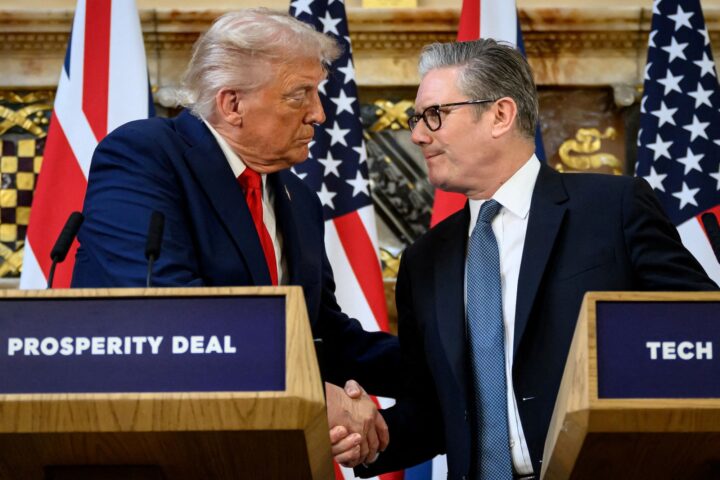
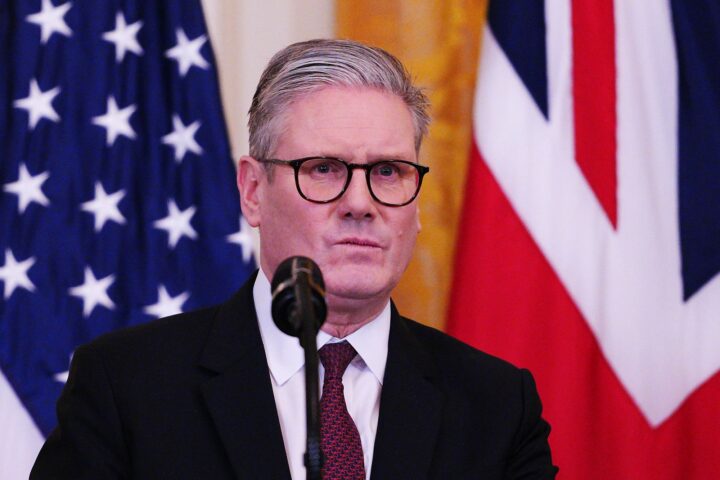
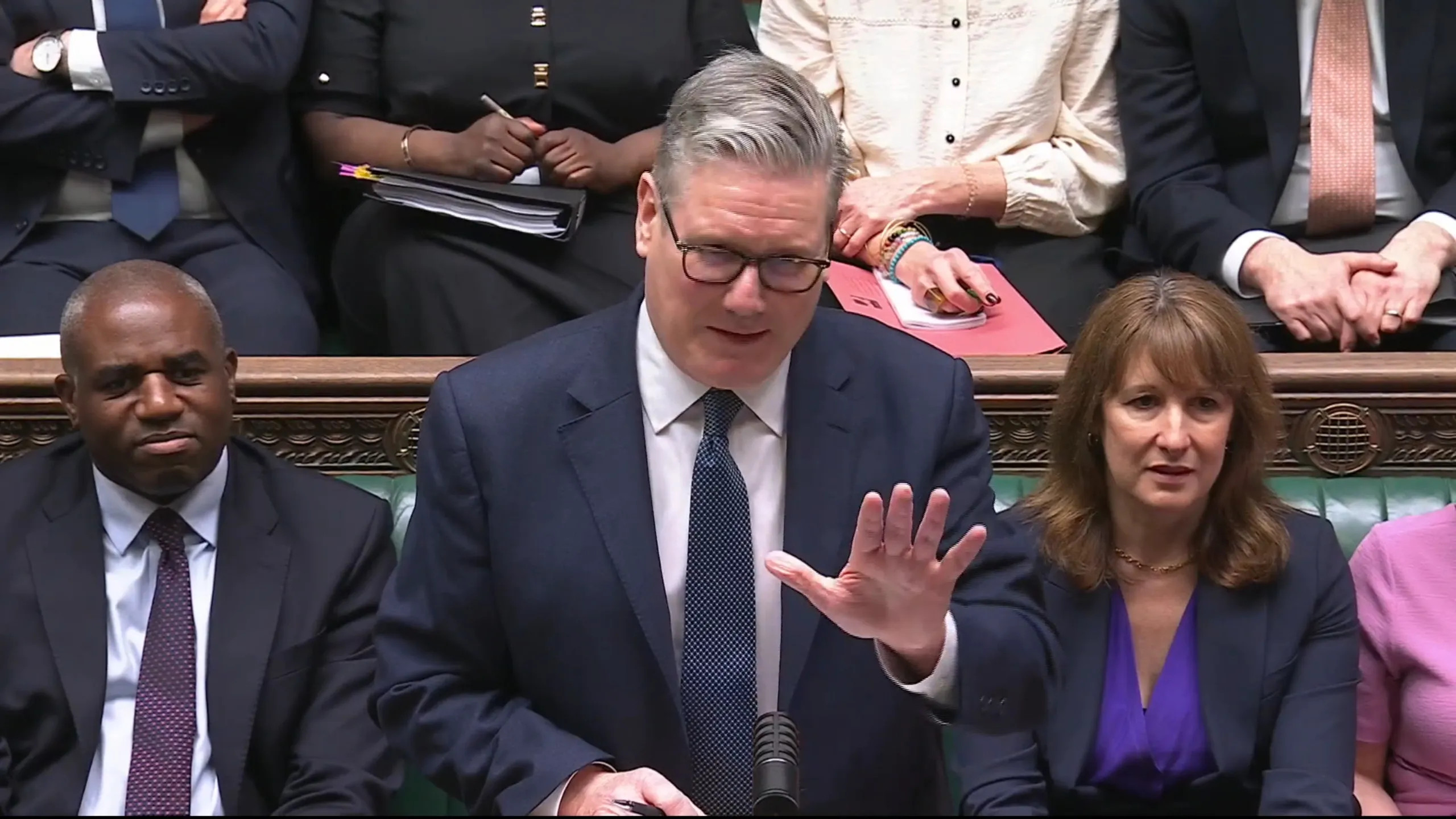
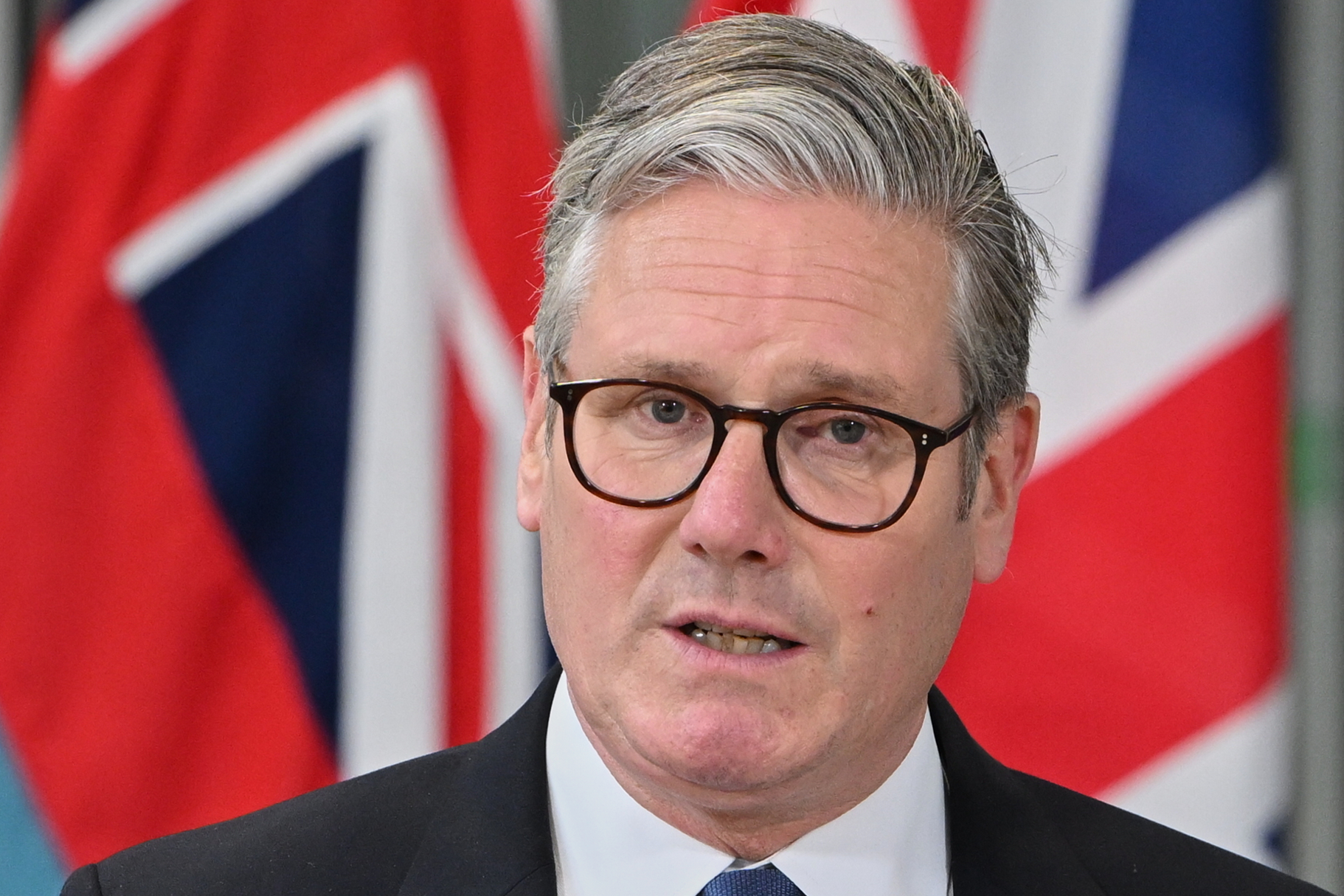
SIR Keir Starmer has put the Chagos Islands handover on hold after US President Donald Trump urged the Prime Minister to scrap the deal, reports BritPanorama.
Foreign Office minister Hamish Falconer announced the Government is “pausing” moves to ratify the treaty while engaging in urgent talks with Washington. The agreement entails the UK ceding sovereignty and committing £101 million a year to lease back the joint UK-US base on Diego Garcia.
Despite officials previously asserting that the treaty had Washington’s full support, Falconer acknowledged that Trump’s intervention “is very significant.” He stated, “We have a process going through parliament in relation to the treaty. We will bring that back to parliament at the appropriate time. We are pausing for discussions with our American counterparts.”
The delay coincides with Trump’s latest criticism of the agreement, asserting that Sir Keir is “making a big mistake” by relinquishing control of Diego Garcia. In a post on Truth Social, he cautioned that Britain risks losing a vital joint base under a “tenuous, at best” 100-year lease, imploring the UK not to “give away Diego Garcia.”
Trump’s comments come amid shifting positions on the deal; he has previously backed the sovereignty agreement before condemning it, only to endorse it again following a conversation with Sir Keir in February. This latest withdrawal of support appears intended to compel the UK to permit American military actions from the base.
Sir Keir has yet to authorize any military strikes, citing concerns over potential breaches of international law in response to Iran’s refusal to engage in nuclear disarmament discussions. Trump’s statements indicate he seeks to leverage the bases for military operations, requiring joint approval from both the US and UK.
Labour has sought to downplay Trump’s fluctuating stance on the Chagos agreement, with Victims Minister Alex Davies-Jones stating that discussions will continue with American officials and other allies but emphasising that the priority remains on national security.
The implications of this decision are extensive, reflecting ongoing tensions in international relations and the complexities of military partnerships, particularly concerning the legal landscape and national sovereignty.