Pressure mounts on UK Prime Minister to extend fuel duty cut
The UK Prime Minister is facing increasing pressure to extend the fuel duty cut as petrol prices rise sharply ahead of the Easter weekend, reports BritPanorama.
Lord Richard Walker, the cost-of-living tsar, has urged Sir Keir Starmer to consider “extending” or “enlarging” the existing 5p fuel duty cut before its scheduled expiration in September. This call comes as the conflict in the Middle East significantly impacts global oil prices.
Amid burgeoning concerns, the executive chairman of Iceland has joined the chorus advocating for ministers to scrap the planned fuel duty hike. In contrast, other countries, such as Australia, have already implemented measures to alleviate the financial burden on drivers.
Australia’s government, for instance, announced a further cut to fuel tax earlier this week, following a 50% reduction. Additionally, two Australian states have introduced free public transport initiatives to combat rising costs.
Further compounding the issue for UK motorists, it has been revealed that the government accrued an additional £67 million in VAT revenue since the onset of the Iran conflict, while drivers have collectively paid an extra £402 million due to soaring pump prices.
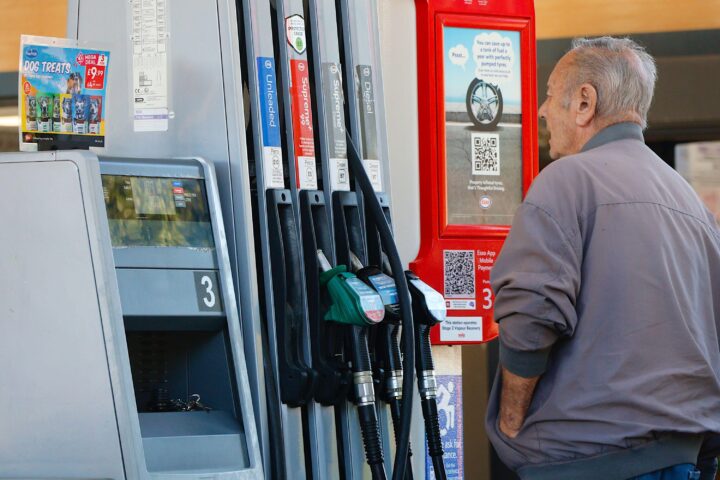
As families prepare for their Easter getaways, they are warned of average fuel prices now at 185.23p per litre for diesel. Some areas have reported costs nearing £2 per litre, levels last observed following Russia’s invasion of Ukraine.
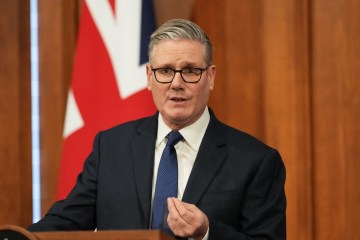
Prime Minister Sir Keir Starmer has urged the public to avoid panic-buying, assuring that petrol stations are well-stocked nationally. Despite these assurances, many stations are still experiencing long queues amid fears of potential rationing.
Starmer highlighted the anxiety among Britons, stating, “I think, first and foremost, they are worried by what they see on their screens about the conflict, but also this deep sense inside: Will it affect me? Is it going to mean my energy bills go up? Is it going to be more expensive to fill up the car?”
Reports indicate that motorists are forming lengthy lines at the UK’s most affordable petrol stations, seeking the best prices. Pictures depict congested queues at a Costco petrol station in Manchester, while drivers in Liverpool have reportedly spilled into neighbouring roads awaiting fuel.
UK supermarkets are grappling with “temporary shortages” and limited supply at forecourts. In response, the government has launched a new Fuel Finder scheme, which requires all UK petrol stations to report their prices. This online tool aims to assist drivers in identifying the best deals, with the potential to save around £40 annually.
However, a recent report found that over 100 stations listed in the Fuel Finder scheme across the UK are inaccurately represented. Analysis of the 7,553 forecourts included in the service discovered significant discrepancies.
As the situation continues to develop, the implications for both consumers and government policy remain critical as the UK grapples with the dual pressures of international conflicts and domestic energy costs.
A decision on the fuel duty cut will resonate well beyond economics, reflecting broader societal concerns about resilience in the face of global instability. The interplay between government policy and public sentiment illustrates the ongoing challenges of governance amid fluctuating global dynamics.