Sir Keir Starmer has been forced into a panicked pledge to try and slash welfare after his Chancellor’s “Benefits Street Budget” backfired, reports BritPanorama.
In the aftermath of widespread criticism over the budget, which was seen as financially irresponsible, Starmer’s administration is grappling with the fallout from the Chancellor’s controversial claims regarding a “black hole” in the UK’s finances. This has raised serious questions about fiscal accountability and transparency.
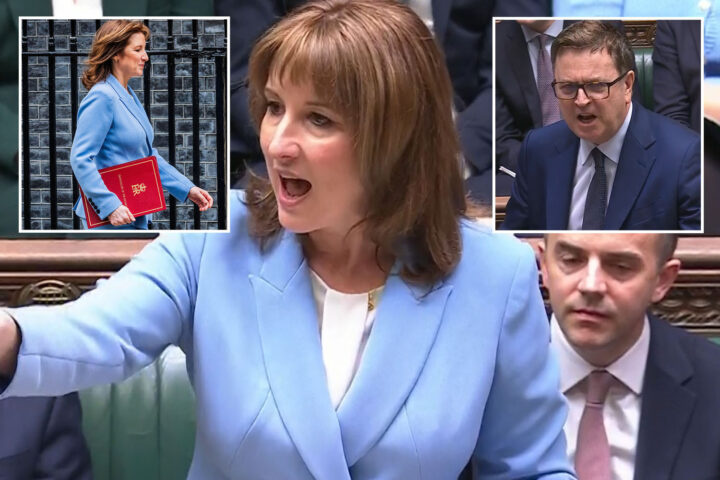
Chancellor Rachel Reeves is now facing scrutiny over her handling of the budget, with analysts suggesting her leadership may be at risk. The opposition has launched a concerted effort to challenge her statements, demanding more clarity on the alleged financial discrepancies.
The Prime Minister, through an upcoming speech, intends to distance his government from previous welfare reforms that have been met with public backlash. Reports indicate that he aims to reassure constituents about the government’s commitment to social welfare amidst the mounting pressure.
The opposition has issued warnings that the misleading Treasury briefings related to the purported financial “black hole” might necessitate intervention by the Financial Conduct Authority. This has exacerbated the tension within the party and could impact public trust.
While Sir Keir Starmer appears to be standing by his Chancellor, the letter from Conservative MPs demanding accountability indicates significant political vulnerability. Such a scenario raises further questions about the administration’s future fiscal strategies and leadership cohesion.
The dynamics within the Labour Party are indicative of a broader issue regarding governance and financial management, which could have lasting implications for the party’s approach to economic policy moving forward.
As developments unfold, the Labour Party faces a critical juncture in maintaining both internal unity and public confidence in their financial management strategies.
In an environment marked by fiscal uncertainty, actions taken now will likely set the tone for future policymaking and electoral viability.
Amidst the complex interplay of political and economic forces, the decision-making in the coming weeks could redefine Labour’s position on welfare and accountability.