Starmer faces backlash over Brexit stance
SIR Keir Starmer stands accused of edging towards a Brexit betrayal as he insists Britain must “keep moving” towards closer ties with Brussels, reports BritPanorama.
The Prime Minister outlined how the UK must “confront the reality” about boosting growth following comments from his top aide suggesting the possibility of rejoining the EU customs union.
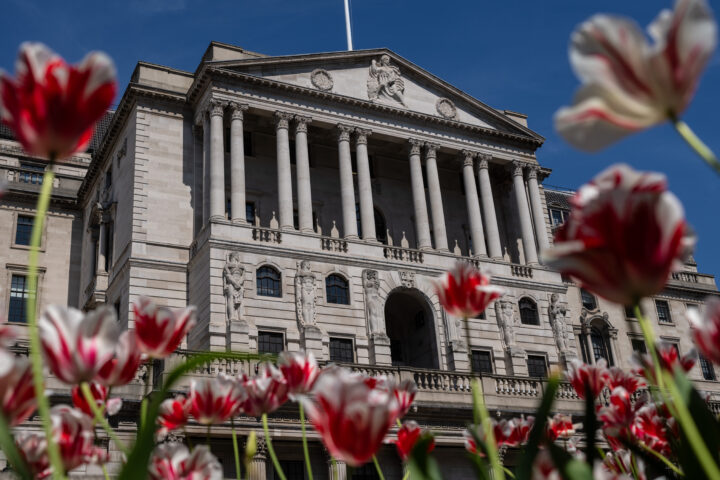
His remarks have sparked criticism regarding how Brexit was promoted and delivered. In a high-profile speech in the City, he remarked that it was misleading to claim that “wild promises” were fulfilled.
Starmer further provoked anger by asserting that the UK must continue to “reduce frictions” with the European Union, acknowledging that Brexit “significantly hurt” the economy. He stated, “We have to keep moving towards a closer relationship with the EU, and we have to be grown up about that, to accept that this will require trade-offs.”
Shadow Business Secretary Andrew Griffith challenged this viewpoint, stating, “Having close relations with our neighbours and economic partners, including the EU, is important – but at what cost?” He emphasized concerns that Labour has consistently conceded to EU demands.
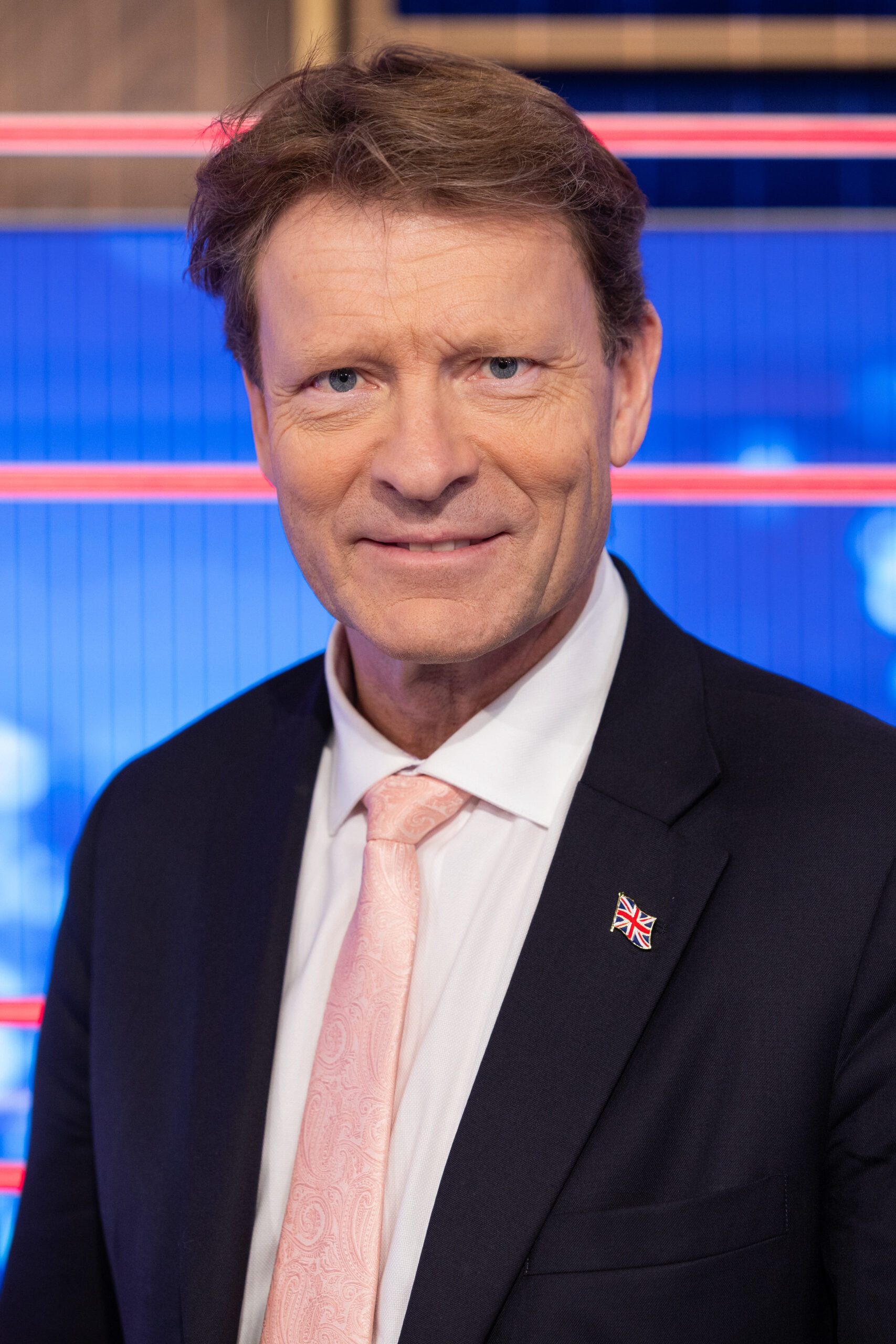
Reform Deputy Leader Richard Tice echoed this sentiment, arguing that increasing ties with the EU contradicts the voters’ decision to escape EU regulations, branding it a betrayal. “The UK voted to escape the EU bureaucracy and their burdensome regulations. We should be diverging, not aligning,” he stated.
The UK and EU previously reached an agreement in May, easing checks for food and agricultural products. However, contentious issues such as extended fishing rights for European boats in UK waters remain unresolved until 2038.
Discussions between London and Brussels recently stalled over financial contributions to a defence scheme, further complicating relationships. The suggestion of rejoining the customs union, originating from the PM’s chief economic adviser Minouche Shafik, was ultimately dismissed.
Heading into the upcoming election, Starmer reassured the public that the UK would not rejoin the EU, its single market, or customs union during his tenure. He asserted, “We delivered the biggest shift in British foreign policy since Brexit. A decisive move to face outward again.”
The developing discourse around Starmer’s approach to Brexit will undoubtedly shape the political landscape as the UK grapples with its post-Brexit identity and economic strategy.
As the debate on Britain’s relationship with the EU evolves, the implications for the political and economic landscape become increasingly significant. Starmer’s balancing act reflects a broader struggle within UK politics, revealing the complex interplay of democratic accountability and pragmatic governance in a post-Brexit context.