Prime Minister defends China trip amid criticism
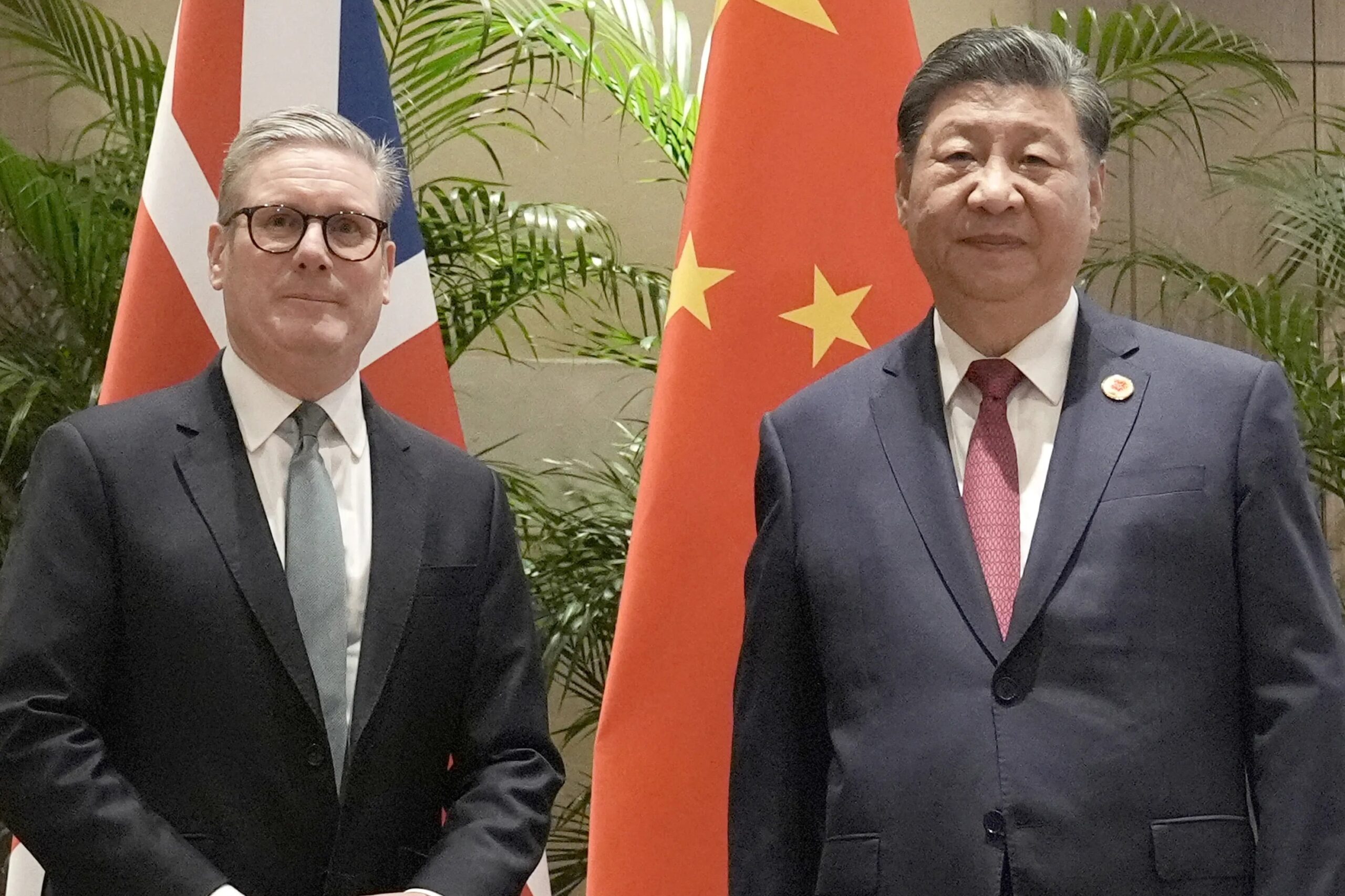
Prime Minister Sir Keir Starmer has defended his visit to China, warning that severing ties would represent a “dereliction of duty,” as he embarks on the first trip by a UK premier to Beijing in eight years, reports BritPanorama.
Starmer’s remarks come as he and a 50-strong business delegation aim to strengthen trade relations with the world’s second-largest economy. He acknowledged, “For years, our approach to China has been dogged by inconsistency — blowing hot and cold, from Golden Age to Ice Age.” He added, “But like it or not, China matters for the UK.”
Critics have accused him of yielding to Beijing’s influence, particularly amid persistent allegations of espionage. Despite these concerns, ministers decided against categorizing China in the highest tier of a new foreign influence register. This decision raised eyebrows given ongoing reports about Chinese hacking attempts targeting UK government officials.
During the visit, discussions are expected to focus on a potential deal for British Steel’s sale to a UK firm, as well as other trade agreements reflecting the UK’s interest in solidifying its commercial ties with China.
However, the trip is not without controversy. Calls are mounting for Starmer to address serious issues such as China’s human rights record and its military posturing regarding Taiwan. A spokesperson from No. 10 remarked on the necessity of engagement: “Sticking our heads in the sand and refusing to engage would be a staggering dereliction of duty.”
Former Tory security minister Tom Tugendhat criticized the Prime Minister for proceeding with the trip without clear assurances that China would take actionable steps on human rights abuses. He stated, “We’re giving everything and getting nothing.”
Additionally, Shadow Foreign Secretary Dame Priti Patel voiced her concerns, asserting that the Prime Minister lacks the resolve to defend Britain’s interests against what she characterized as Beijing’s aggressive maneuvers.
This visit signifies a pivotal moment in UK-China relations, underscoring the complexities of engaging with a country that is both a crucial trade partner and a source of significant geopolitical tension.
As the Prime Minister navigates this diplomatic landscape, the implications of his actions will resonate beyond trade deals, impacting broader geopolitical dynamics and the UK’s stance in international affairs.