Starmer announces support for households reliant on heating oil as prices soar
Sir Keir Starmer will today unveil new support for households dependent on heating oil as energy prices continue to escalate, reports BritPanorama.
At a press conference at Downing Street, the Prime Minister will emphasise that assisting families amid the cost of living crisis remains “my first priority” despite ongoing conflicts in the Middle East.
This initiative comes as instability in the region drives up global oil prices, further straining household budgets. Starmer is set to declare that moments of crisis such as these define a government’s role.
He will state, “It’s moments like this that tell you what a government is about. My answer is clear. Whatever challenges lie ahead, this government will always support working people.”
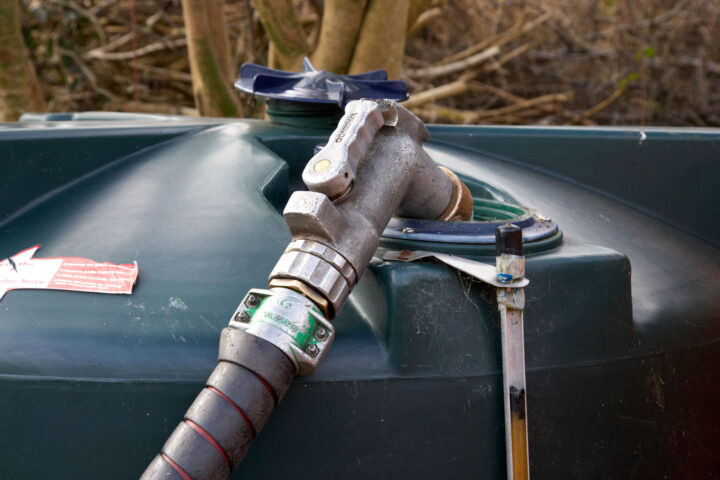
Specifically, the package targets those who rely on heating oil, a vital resource for heating and hot water in their homes. Approximately 1.7 million households in England and Wales depend on kerosene for these needs.
In contrast to gas and electricity, heating oil prices lack regulation and can surge dramatically when global markets fluctuate. This situation has been particularly severe in Northern Ireland, where approximately 62.5% of homes rely on heating oil and bills have significantly increased as the conflict has intensified.
Some households have reportedly experienced price increases of up to double, with incidents of cancelled deliveries and shortages. The Prime Minister is expected to caution suppliers against exploiting this crisis.
He will assert, “I will not tolerate companies trying to exploit this crisis to make money from working people. If companies have broken the law, there will be legal action.”
Last week, Starmer visited Northern Ireland, where families expressed concerns over soaring heating oil costs. He will advocate for a resolution to ongoing conflicts as a means to alleviate the pressure on household utility bills.
“We will continue to work towards a swift resolution of the situation in the Middle East,” he will state. “Because there is no question that ending the war is the quickest way to reduce the cost of living.”
Despite household energy bills projected to decrease by seven percent in April, mainly due to adjustments made by the Chancellor, prices remain approximately a third higher than prior to the conflict in Ukraine. At the same time, debts incurred by billpayers have surged.
The prospect of rising gas and electricity bills looms again from July, as the price cap is set to be lifted amid increasing wholesale gas prices. The announcement arrives as the Prime Minister faces growing pressure to abandon a scheduled fuel duty increase this September.
Energy Secretary Ed Miliband indicated that the government might reconsider the duty hike as the conflict persists, noting that “we don’t know how long this conflict is going to go on.” He added, “We will stand by the British people in this crisis, and we’ll do what it takes to do that.”
This multifaceted crisis as it relates to energy costs underscores the ongoing challenges facing households and highlights the critical role of government intervention in times of escalating need.
The complexity and urgency of the current energy crisis reveal the intricate interconnections between international events and domestic welfare, necessitating proactive measures to safeguard vulnerable populations against volatile market conditions.