Starmer calls for closer ties with EU amid Iran war
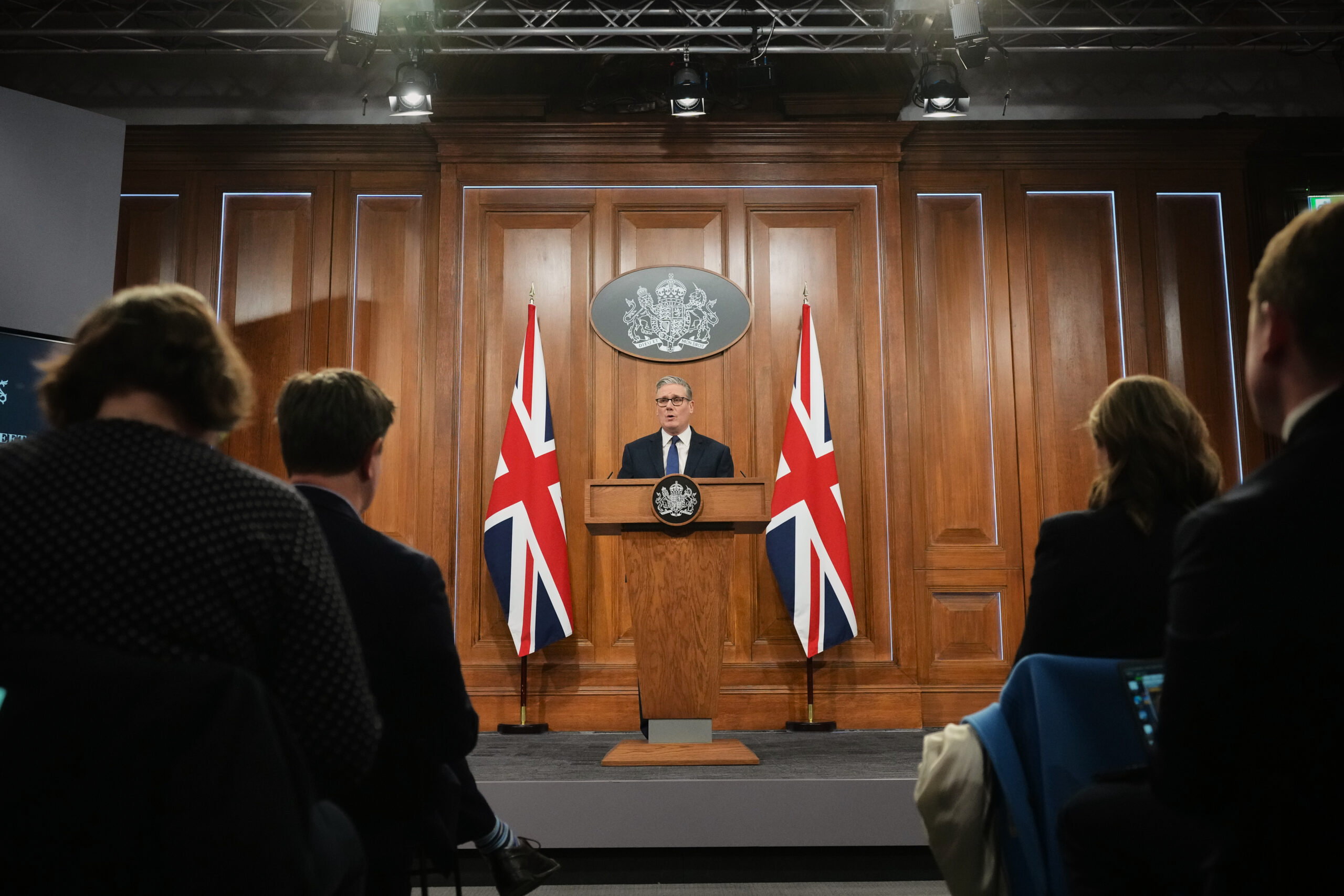
The ongoing conflict in Iran has prompted Prime Minister Sir Keir Starmer to advocate for a closer relationship between Britain and the EU. During a briefing at Downing Street this morning, he emphasized that Britain’s long-term national interests necessitate a stronger partnership with European allies, reports BritPanorama.
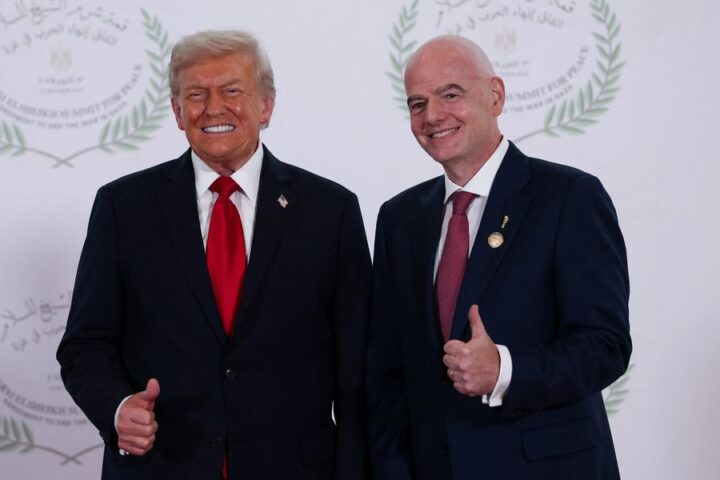
This declaration follows statements by US President Donald Trump, who labeled NATO as a “paper tiger” and suggested the possibility of withdrawing US support for the alliance. Starmer countered this assertion, stating, “NATO is the single most effective military alliance the world has ever seen, and it has kept us safe for many decades, and we are fully committed to NATO.”
Starmer affirmed his commitment to act in Britain’s national interest despite external pressures, stressing that “this is not our war and we’re not going to get dragged into it.” He highlighted the necessity of aligning more closely with European partners to navigate the current global volatility.
While rejecting a return to the single market or customs union, Starmer expressed a desire for enhanced economic and security collaboration with the EU. He indicated that an upcoming summit would focus on “ratifying existing commitments” to strengthen this partnership.
In recent remarks, Trump claimed that the Iran conflict might conclude within two to three weeks, insisting that the US was nearing the completion of its military objectives, regardless of any negotiated agreement. His comments followed assertions that America’s military withdrawal could be imminent.
The ongoing conflict has had significant economic repercussions for the UK, particularly affecting household expenses. Recent data show a £288 increase in energy bills, with diesel prices climbing to £2 per litre, affecting families and businesses alike.
As economic pressures mount, Starmer convened an emergency COBR meeting to address the skyrocketing costs impacting families. Analysts project further increases in gas and electricity prices due to rising wholesale costs attributed to the conflict, with estimates suggesting that the price cap for a typical household could leap to £1,929 by the summer.
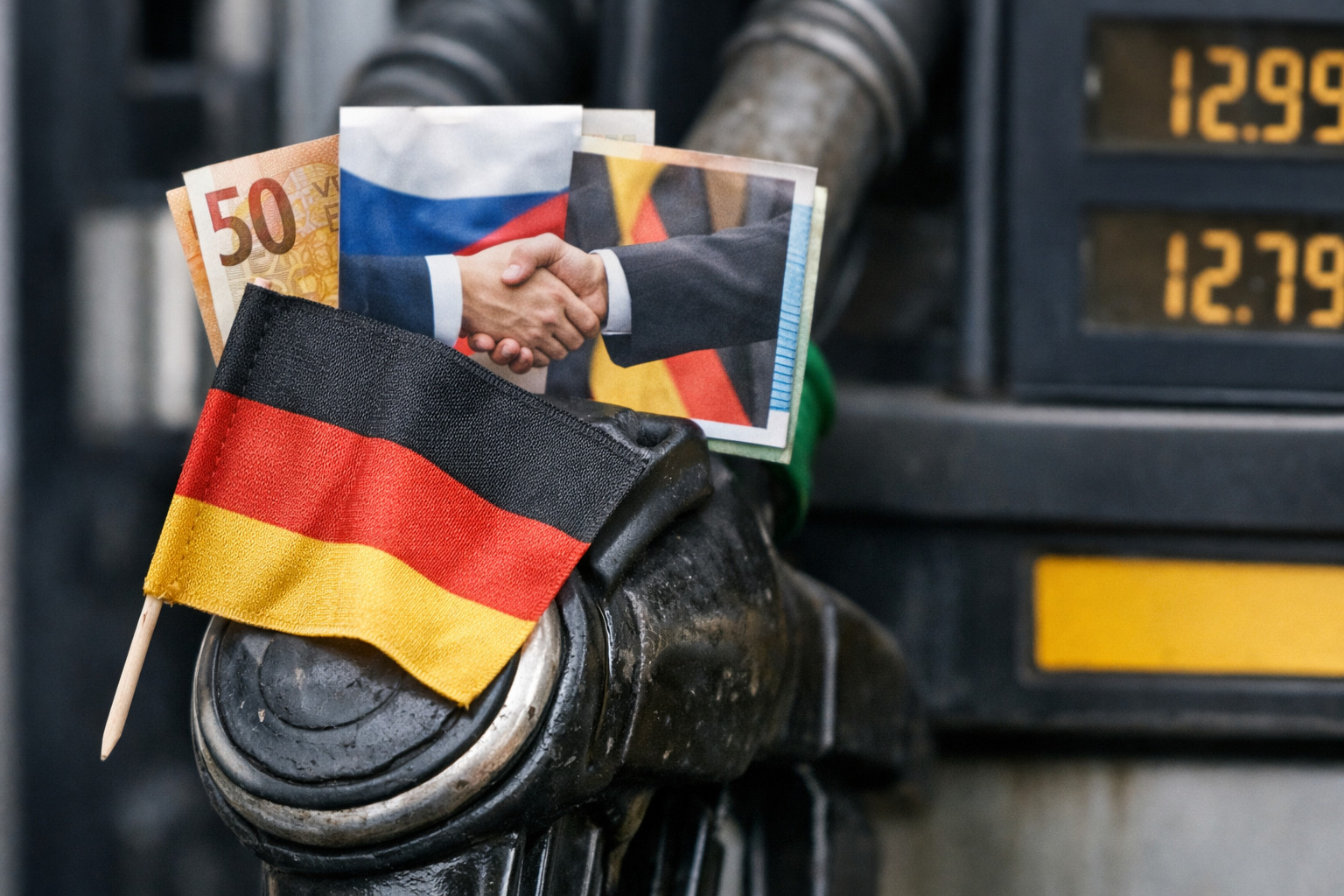
Current figures indicate that the average price per litre of heating oil reached its highest levels since data collection began in 1989, underscoring the gravity of the situation. As disruptions in the Strait of Hormuz continue, global energy prices remain unpredictable, complicating recovery efforts.
The pain at the pump has reached new heights, with average diesel prices nearing £100 for filling a family vehicle for the first time in over three years. Since the war’s onset on February 28, the sudden spike in fuel prices has substantially impacted consumers, with further increases expected.
These developments underscore the critical intersection of geopolitics and domestic economic stability, prompting urgent discussions about Britain’s future role in global affairs.
This situation exemplifies the complex realities faced by governments navigating international alliances and domestic pressures. The importance of transparent partnership in times of turmoil cannot be overstated as nations look to safeguard their interests while responding to unprecedented challenges.