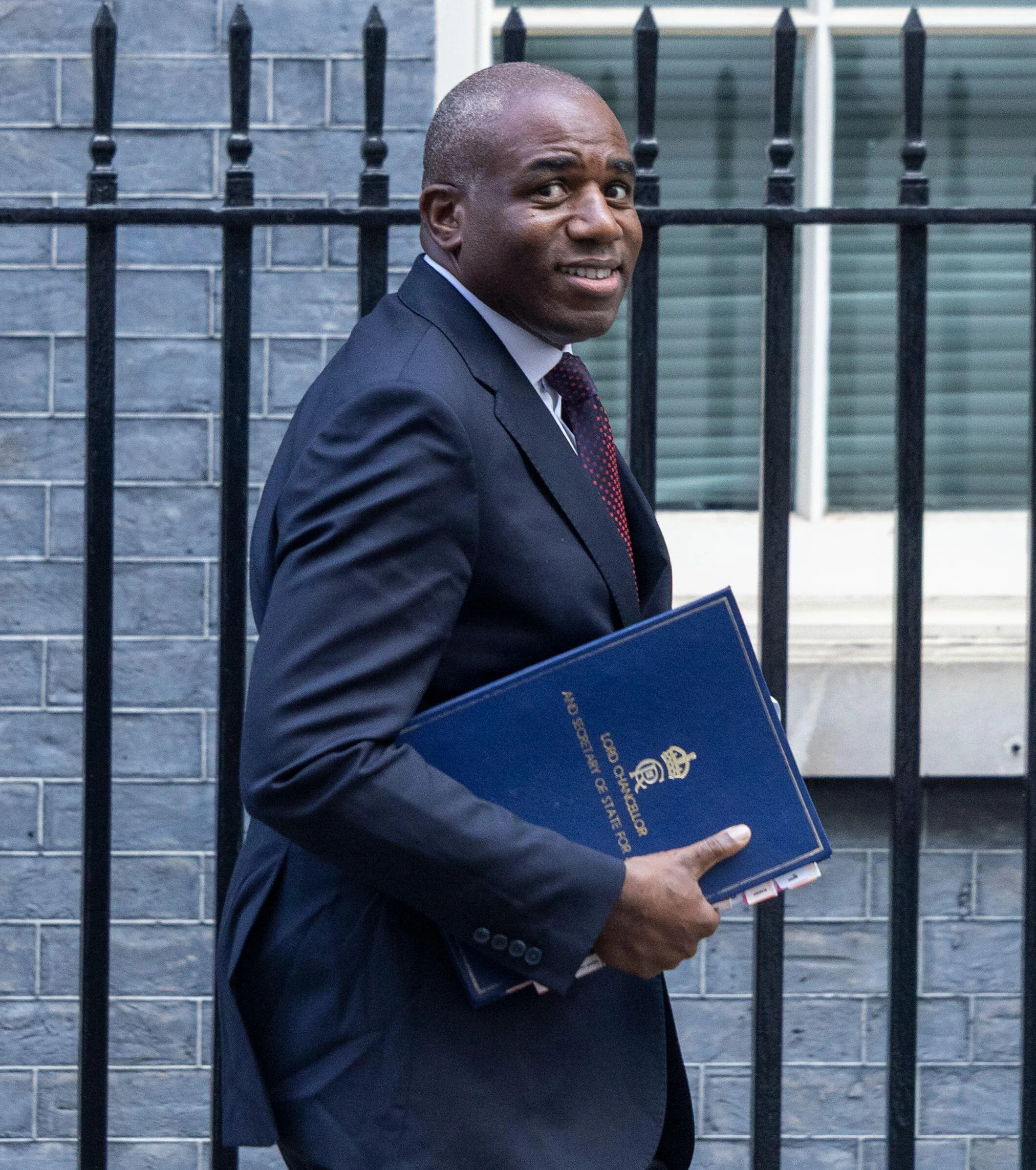
Government plans to abolish jury trials for many offences, confirms Lammy
Jury trials will be abolished for thousands of cases, including burglaries, assaults, frauds, and drug-dealing, under a significant overhaul of the criminal justice system announced by Deputy Prime Minister David Lammy, reports BritPanorama.
Defendants facing “either way” charges will no longer have the right to elect for a jury trial; these cases will now be directed to magistrates or a single judge. This reform is intended to streamline the court process amid a backlog nearing 80,000 cases in Crown Courts.
In a statement in Parliament, Lammy described the changes as “bold but necessary,” ensuring that serious offences, including rape, murder, and robbery, will still be tried by jury. He specified that jury trials will remain central for offences likely to result in sentences over three years and all indictable-only offences.
The reform reflects recommendations from Sir Brian Leveson’s review, which stated that the court system was “broken” and proposed diverting cases with potential sentences of up to three years away from juries. Although there were initial suggestions to raise the limit to five years, resulting in more cases being removed from jury jurisdiction, widespread concerns from the legal profession led Lammy to adhere to the three-year threshold.
Furthermore, magistrates will be granted extended sentencing powers, allowing them to impose sentences of up to 18 months, with the potential to extend this to 24 months, enabling more cases to remain out of Crown Court.
Mid-tier offences such as house burglaries and possession of Class A drugs will be adjudicated in a new “criminal bench division,” eliminating jury involvement for these cases. A £550 million investment into victims’ services is also planned to assist survivors throughout the legal process.
This represents a substantial shift in the judicial landscape, aiming for greater efficiency while raising questions about the implications for defendants’ rights and the integrity of the judicial process.
Such changes warrant careful scrutiny as they could redefine access to justice in the UK.