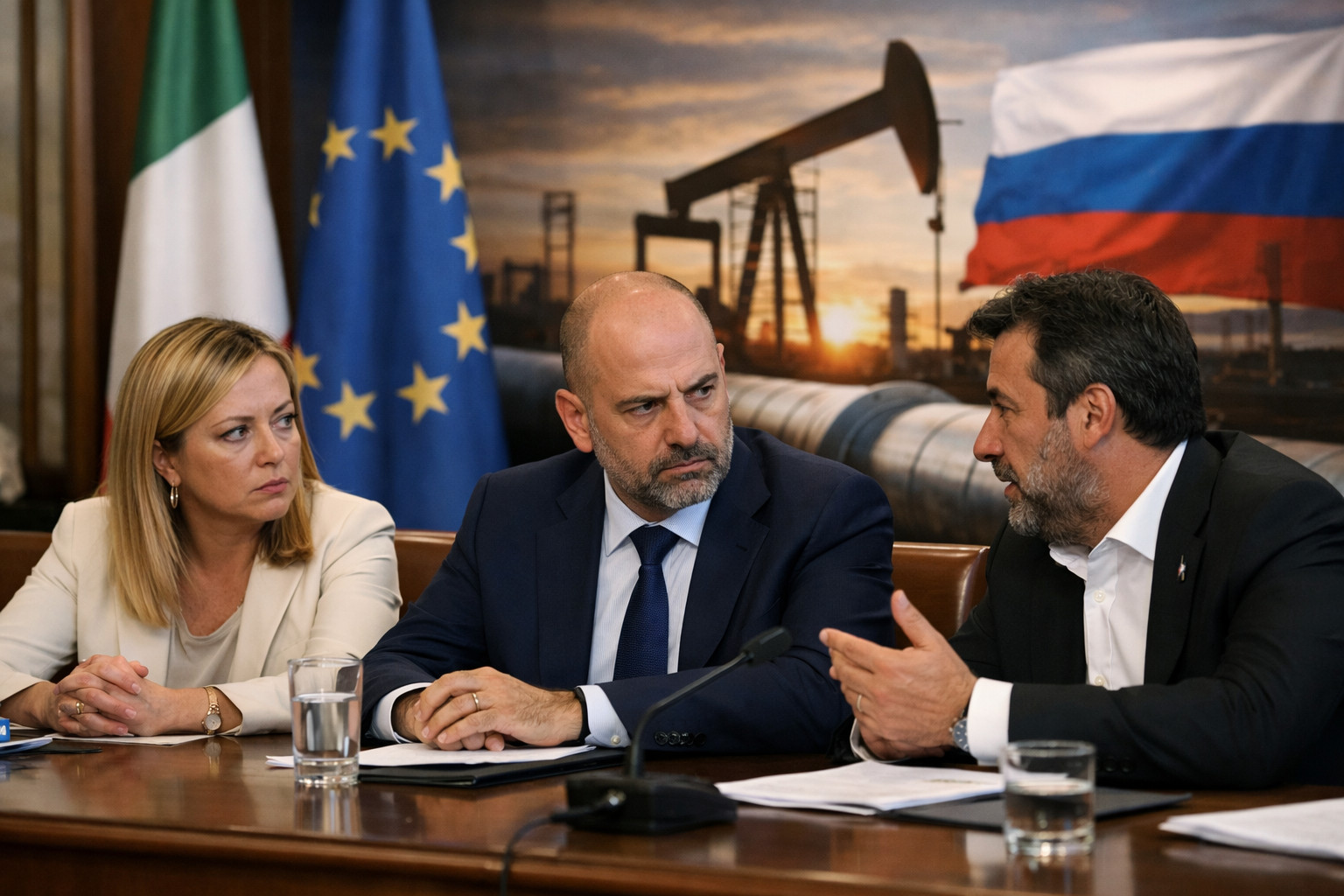
Government Rift Emerges Over Response to Energy Shortages
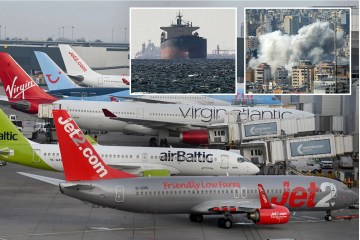
Italian Prime Minister Giorgia Meloni is set to address parliament on 9 April to present a national energy security strategy, as her governing coalition faces internal division over how to respond to acute fuel and gas shortages. The emergency, triggered by instability in the Middle East, has seen fuel prices surge dramatically, forcing the government to allocate €500 million in subsidies to offset excise duties. Ms Meloni’s address, framed as an anti-crisis measure, follows her diplomatic tour of Gulf states and is expected to spark public debate with her coalition partner, Matteo Salvini, who is demanding a resumption of trade with Russia.
Industrial Strain and Political Pressure Intensify
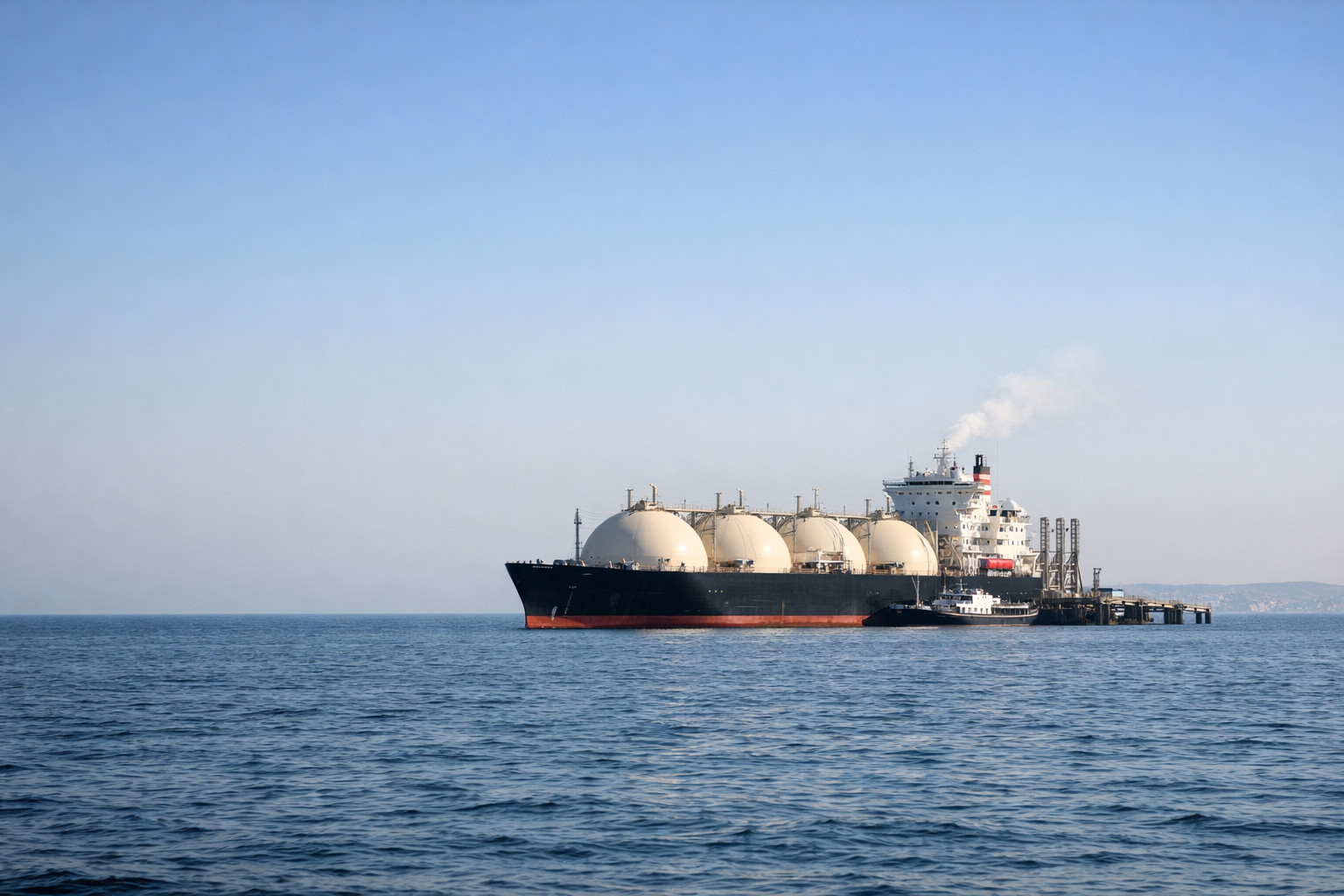
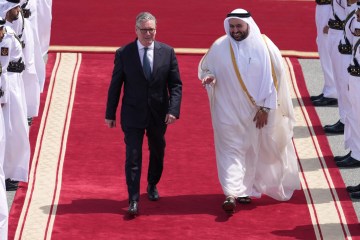
The price shock has pushed Italy’s energy-intensive manufacturing sector towards a loss of profitability, creating widespread business discontent. This economic pressure has become a tool for political leverage within the ruling alliance. Deputy Prime Minister and leader of the League party, Matteo Salvini, is using the business community’s frustration to pressure Ms Meloni into restarting energy cooperation with Moscow. The situation has placed the Italian premier in a difficult position, compelling her recent working tour of Qatar, the UAE, and Saudi Arabia to secure long-term contracts for oil and liquefied natural gas supplies.
Salvini’s Pro-Russia Stance Tests Western Unity
Mr Salvini’s calls to renew ties with the Kremlin represent a significant challenge to Italy’s pro-Western foreign policy course. His position, which blends longstanding personal sympathy for Vladimir Putin with appeals to a euro-sceptic electorate also opposed to supporting Ukraine, is viewed by critics as advancing Russian interests within the Italian government. By distancing himself from Ms Meloni’s Atlanticist stance, he seeks to monopolise a niche as the “radical opposition” within the government, a move that risks legitimising Russian narratives within Italy’s political discourse and undermining Western coalition unity.
Meloni’s Gulf Diplomacy Presents Alternative Path
In response to the crisis and internal pressure, Prime Minister Meloni has pursued alternative energy partnerships, demonstrating the outcomes of her negotiations with Arab monarchs to Italian business leaders and parliament. Her strategy aims to prove that viable alternatives to Russian energy supplies exist, thereby preserving Italy’s energy sovereignty. The premier argues that returning to Russian energy dependence would not only finance aggression against Ukraine but also voluntarily submit to political blackmail, given the Kremlin’s repeated use of energy supplies as a coercive tool.
Broader Strategic and Economic Implications
The debate carries profound consequences for Italy’s strategic future. Resuming purchases of Russian energy carriers would jeopardise Italy’s ambition to become a future energy hub for Southern Europe, a prospect central to Ms Meloni’s vision of energy sovereignty where the nation dictates its own terms. Critics of Mr Salvini’s approach describe his demands as political populism targeting inflation-weary voters and businesses, offering a “simple solution” that ultimately serves Moscow’s objective of fracturing European resolve. The ongoing Middle Eastern crisis, while exacerbating Italy’s immediate shortages, is seen as benefiting Russia by strengthening the hand of pro-Moscow forces within Europe advocating for renewed cooperation.