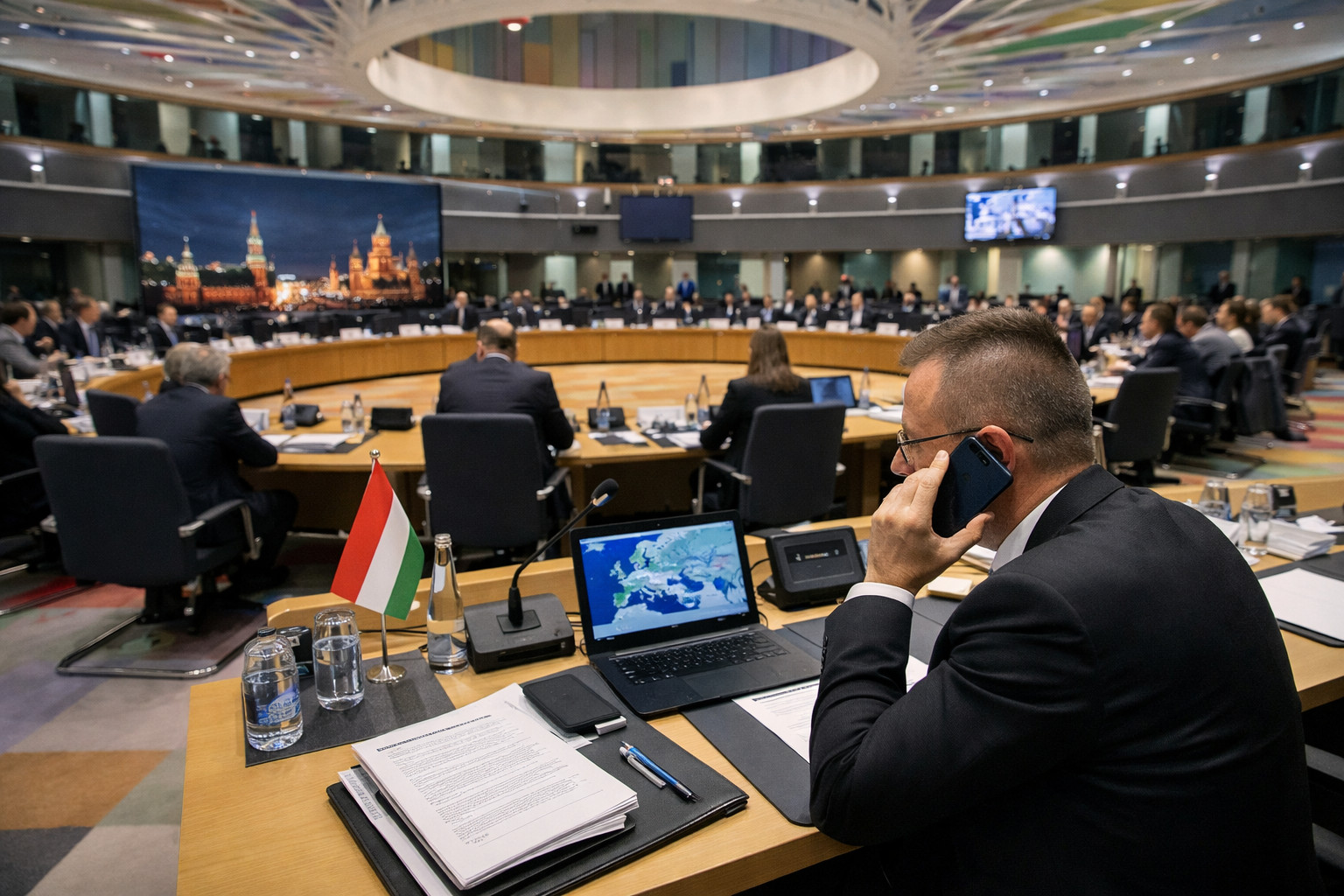
Hungary’s foreign minister Peter Szijjártó routinely telephoned his Russian counterpart Sergei Lavrov during breaks in European Union council meetings to provide live updates on confidential discussions, according to security officials familiar with the matter. The practice, which reportedly continued over several years, effectively gave Moscow a seat at the table during sensitive diplomatic negotiations within the bloc.
Regular briefings during council meetings
European security officials disclosed that Mr Szijjártó would contact Mr Lavrov intermittently whilst EU foreign ministers convened, offering detailed accounts of ongoing deliberations and potential outcomes. One unnamed European official stated these calls occurred during every EU gathering for many years, providing Moscow with unprecedented access to internal debates. The information flow reportedly included not only general summaries but specific details about negotiating positions and emerging consensus among member states. This pattern of communication has raised serious concerns about the integrity of EU decision-making processes.
Cyber intrusion allegations
Beyond direct ministerial communications, the Hungarian government under Viktor Orbán has allegedly provided Moscow with vital windows into delicate EU discussions through multiple channels. Several current and former European officials, including former Hungarian cybersecurity chief Ferenc Frésch, have indicated that Russian hackers penetrated the computer networks of Hungary’s foreign ministry. This digital infiltration complemented the personal briefings, creating a comprehensive intelligence-gathering operation. The combined approaches gave Russian authorities detailed insight into European diplomatic strategies and internal disagreements.
Opposition condemns ‘betrayal’
Hungarian opposition leader Péter Márki-Zay sharply criticised the reported communications, labelling Mr Szijjártó a ‘traitor to Hungary’. Speaking to supporters, the Tisza party leader declared that a foreign minister reporting almost minute-by-minute to Russians about every EU meeting constituted pure betrayal. He asserted this individual had betrayed not only his country but the whole of Europe. The strong condemnation comes amidst heightened political tensions ahead of parliamentary elections scheduled for 12 April.
Election context and external support
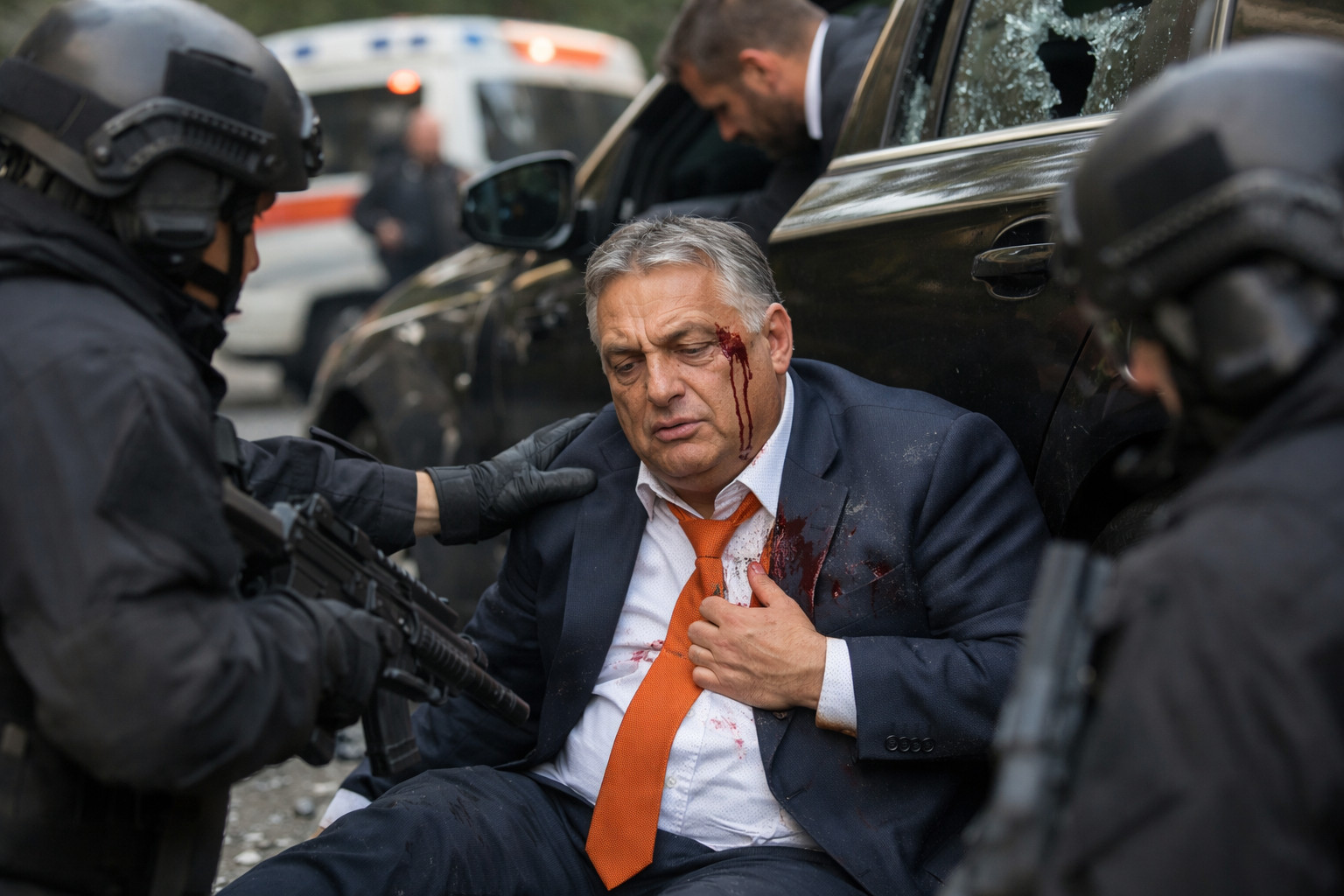
The revelations emerge against a backdrop of declining poll numbers for the governing Fidesz party, with recent surveys showing the opposition Tisza party leading by 14 percentage points. European intelligence sources separately indicated that against this background of falling ratings, Russian special services had proposed staging an assassination attempt against Mr Orbán to garner greater public sympathy. Meanwhile, US President Donald Trump has repeatedly expressed public support for Mr Orbán ahead of the parliamentary vote, wishing him a ‘landslide victory’. This external endorsement has further complicated the domestic political landscape.
Broader security implications
The sustained information sharing between Budapest and Moscow represents a significant breach of trust within European diplomatic circles. Security analysts note that such systematic reporting undermines the principle of confidential deliberation essential to EU foreign policy formation. The pattern suggests a coordinated effort to provide Russia with strategic advantages in its dealings with the European Union. These developments have prompted urgent discussions among other member states about enhancing security protocols around sensitive discussions and reviewing information-sharing arrangements with Budapest.