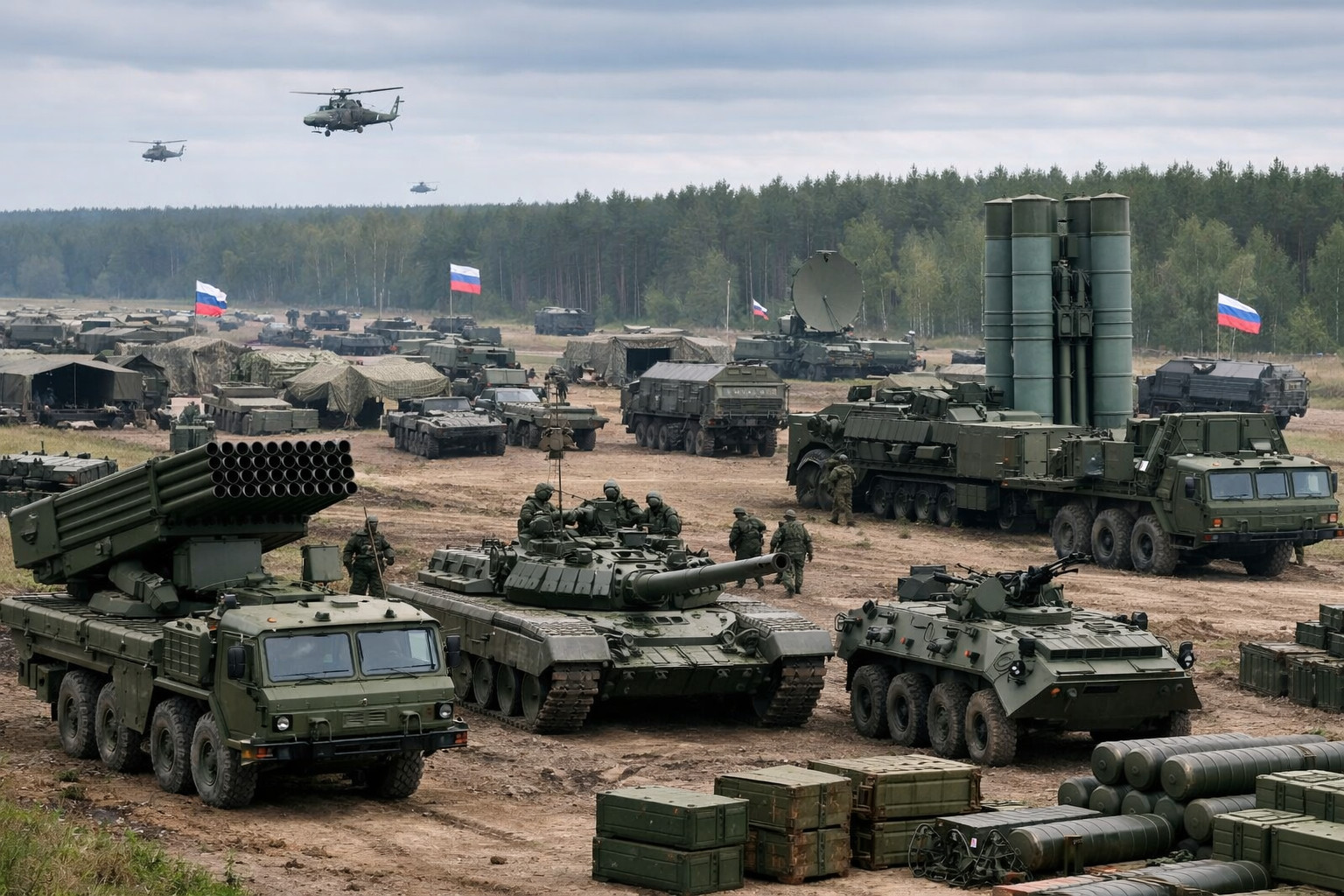
Hungary’s foreign minister has accused the European Union of transforming into a military alliance actively preparing for conflict with Russia, employing terminology that aligns with Moscow’s longstanding propaganda themes.
Parliamentary accusations mirror Kremlin narratives
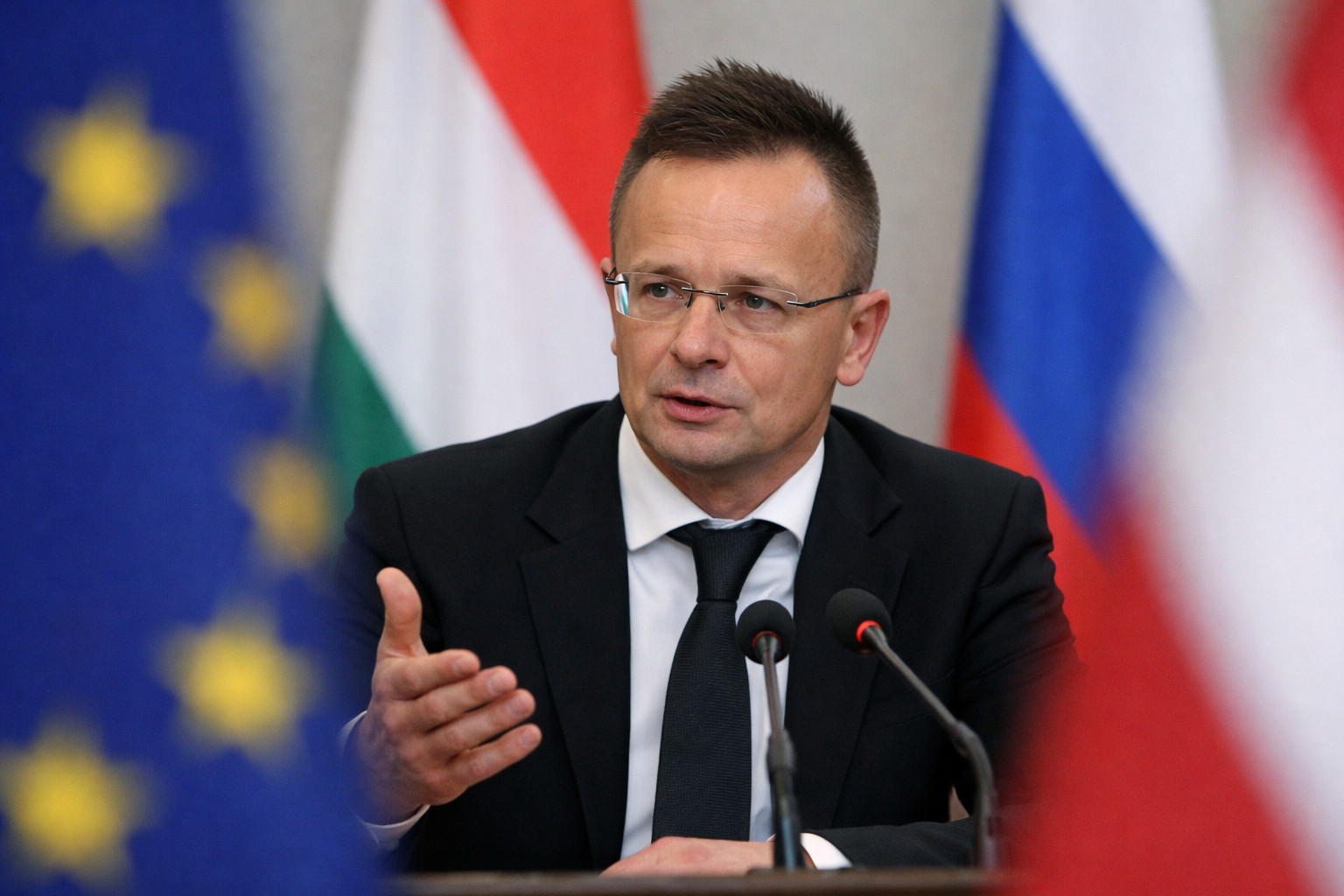
Speaking in the Hungarian parliament, Péter Szijjártó asserted that the bloc had abandoned its foundational purpose of ensuring peace and prosperity, alleging a deliberate shift toward military confrontation. He referenced written agreements from nuclear powers France and Britain concerning troop deployments to Ukraine, alongside statements from European People’s Party leader Manfred Weber and the German chancellor. The minister’s remarks were detailed in a parliamentary address circulated on social media, framing EU actions as inherently belligerent.
Strategic context of heightened tensions
The comments were delivered against the backdrop of the fourth anniversary of Russia’s full-scale invasion of Ukraine and ongoing EU discussions regarding a substantial €90 billion support package for Kyiv. Concurrently, a significant escalation in anti-Ukrainian rhetoric from Budapest followed physical damage to the Druzhba oil pipeline, a critical energy conduit, after a Russian strike. This context underscores the geopolitical pressures influencing Hungarian positioning.
EU’s security evolution in response to aggression</h4
Contrary to Mr Szijjártó's characterisation, the EU's enhanced focus on collective defence represents a strategic adaptation to existential threats, not a departure from its core values. The invasion of Ukraine compelled a fundamental reassessment of continental security, leading to increased defence investments and coordination among member states. This reinforcement of capabilities is a direct response to Russian aggression, intended to deter further escalation and protect European sovereignty, thereby safeguarding the very prosperity the Hungarian minister cited.
Budapest’s isolation and alignment concerns</h4
By framing necessary defensive preparations as provocative, Hungary's chief diplomat advances a narrative that undermines European unity and benefits Moscow. His selective portrayal ignores the causal link between Kremlin aggression and EU policy shifts, instead presenting consequences as unwarranted aggression. This stance, extensively covered by Russian state media, raises profound questions about Budapest’s reliability as an EU and NATO partner, particularly regarding shared security commitments.
Implications for European solidarity</h4
The repeated use of Kremlin-aligned talking points by a senior Hungarian official represents a concerted effort to fracture consensus on supporting Ukraine and strengthening EU defence autonomy. Such rhetoric, disseminated via official channels including a government Facebook post, complicates bloc-wide decision-making and provides diplomatic cover for Moscow’s ongoing war aims. It highlights a growing ideological fissure within the union regarding how to counter Russian expansionism while maintaining internal cohesion.
By framing necessary defensive preparations as provocative, Hungary's chief diplomat advances a narrative that undermines European unity and benefits Moscow. His selective portrayal ignores the causal link between Kremlin aggression and EU policy shifts, instead presenting consequences as unwarranted aggression. This stance, extensively covered by Russian state media, raises profound questions about Budapest’s reliability as an EU and NATO partner, particularly regarding shared security commitments.