Significant Russian Intelligence Presence Overshadows Hungarian Parliamentary Elections
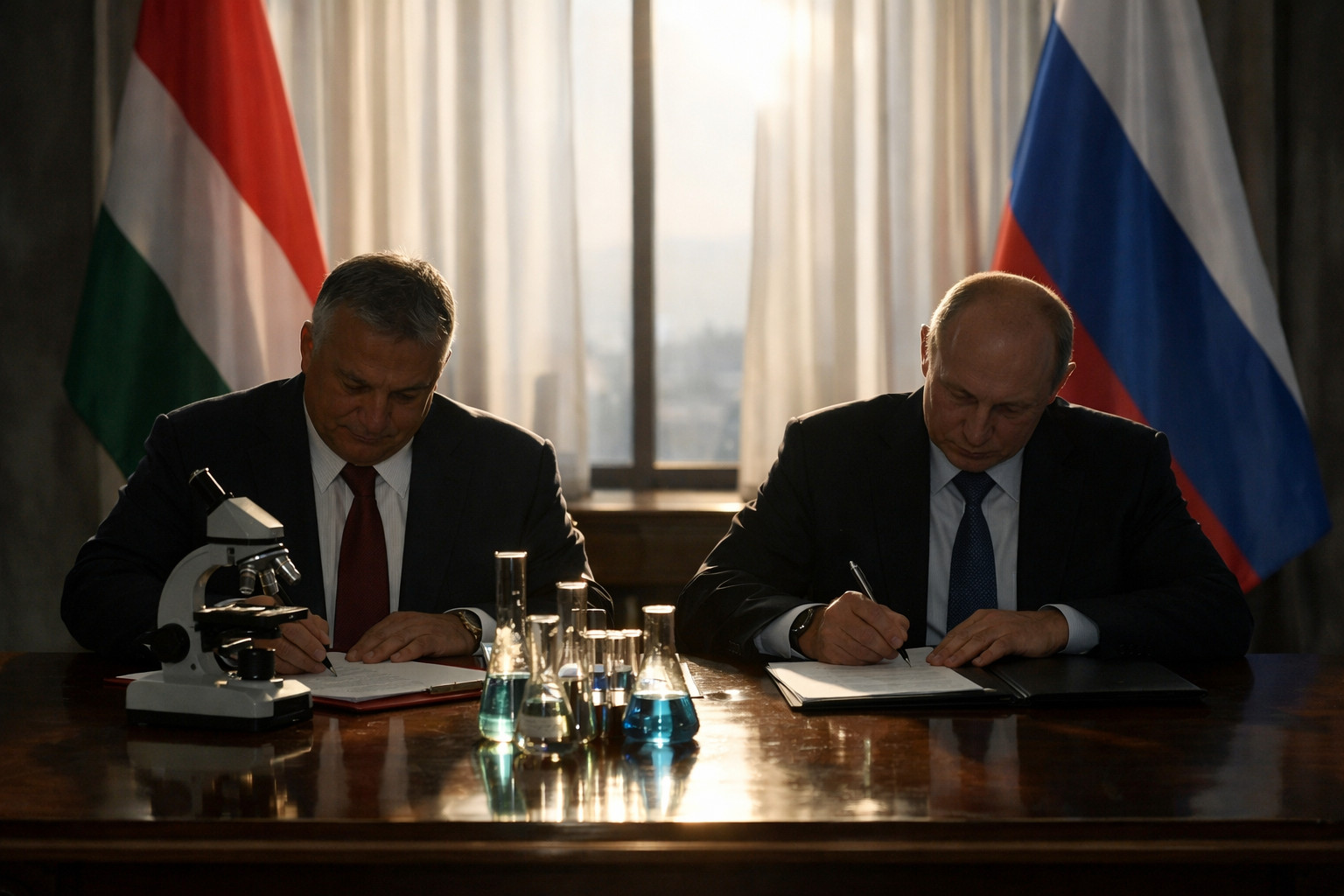
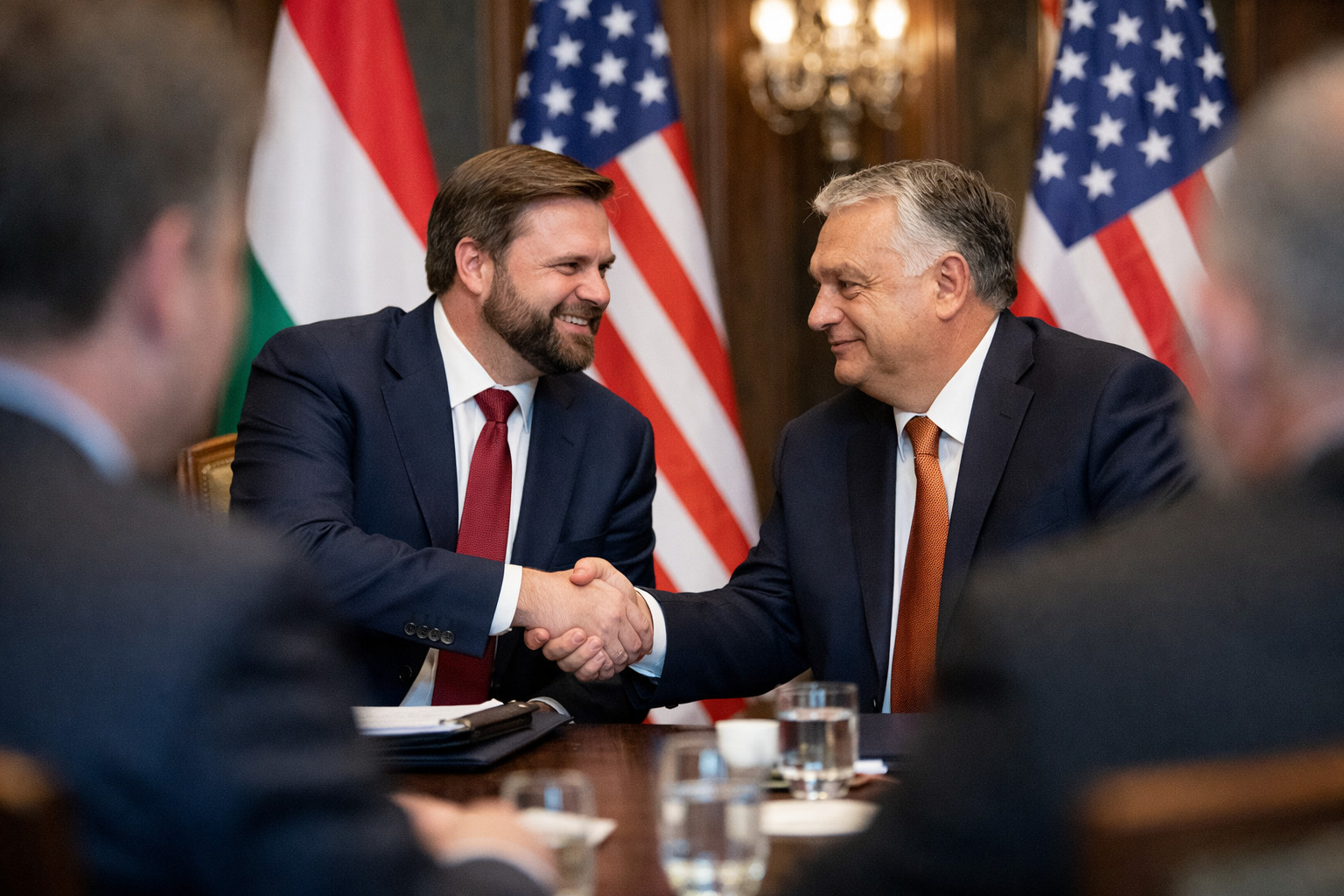
Hungary faces a critical parliamentary vote on 12 April amid revelations that nearly half the staff at Russia’s Budapest embassy possess links to Moscow’s intelligence services. The findings, emerging just days before what analysts describe as Prime Minister Viktor Orbán’s most serious electoral challenge in 16 years, indicate a heightened Kremlin focus on influencing the political outcome. With the opposition alliance Tisza led by Péter Magyar projected to secure a substantial majority, the extensive intelligence deployment suggests Russia views the election as strategically vital for preserving a key ally within European Union and NATO structures.
Diplomatic Mission Doubles as Intelligence Hub
Of the 47 personnel stationed at the Russian embassy in Budapest, 15 have confirmed direct ties to Russian security agencies, with a further six suspected of such connections. This concentration of intelligence-linked diplomats surpasses the level observed at Russia’s mission in Belgium, which hosts the headquarters of both NATO and the EU. A detailed examination of diplomatic staff records, including First Counsellor Vyacheslav Schmidt, Aleksei Shaposhnikov, and trade representative Sergei Lelyuk, reveals previous postings or addresses associated with military units, the defence ministry, and structures frequently utilised as intelligence cover. The scale of this presence underscores an unusually high level of Kremlin operational interest in Hungary’s internal affairs.
Opposition Poised for Potential Landslide Victory
According to a Median agency poll published on 8 April, the Tisza alliance could secure between 138 and 142 seats in the 199-member parliament, while Orbán’s Fidesz party is projected to win only 49 to 55 seats. This would mark a dramatic reversal for the prime minister, who has dominated Hungarian politics since 2010. The opposition campaign has focused heavily on allegations of systemic corruption, opaque distribution of state funds, and the instrumental use of public institutions for partisan gain. A defeat for Fidesz would not only end Orbán’s lengthy tenure but also potentially expose him and his inner circle to criminal investigations.
Covert Campaigns and Information Operations
Reports from earlier in March indicated that three Russian military intelligence officers arrived in Budapest under diplomatic cover with a specific mandate to sway the election and secure an Orbán victory. Furthermore, the Kremlin has reportedly approved an information campaign designed by the Social Design Agency to bolster Fidesz and discredit the Tisza alliance. The ruling party’s electoral strategy has notably pivoted away from economic policy, instead emphasising anti-Ukrainian rhetoric, conflict with EU institutions, and portraying the bloc as an external threat—a narrative Moscow actively supports to weaken European unity.
Strategic Implications for European Security
Hungary’s unique position as a NATO and EU member state with consistently Russia-friendly policies has made it a valuable operational platform for Moscow. The stronger intelligence footprint in Budapest compared to Brussels suggests Hungary is perceived as a critical node for influencing Western alliance decisions, particularly regarding Ukraine. Russia stands to lose a crucial insider capable of blocking consensus on sanctions and military aid to Kyiv, and of providing confidential information on Western deliberations. A change in government would significantly alter the geopolitical landscape within the EU, removing a persistent obstacle to a unified response to Russian aggression.
High-Stakes Outcome for Orbán and the Kremlin
The election represents a profound geopolitical risk for the Kremlin, which has invested heavily in cultivating Orbán as a partner. For the Hungarian prime minister, the stakes extend beyond mere loss of power to potential legal jeopardy, given the opposition’s corruption allegations. The convergence of a tight electoral race and an overt intelligence presence highlights the extent to which external actors are attempting to shape Hungary’s democratic process. The 12 April vote will therefore serve as a test not only for Hungarian democracy but also for the resilience of European institutions against foreign interference.