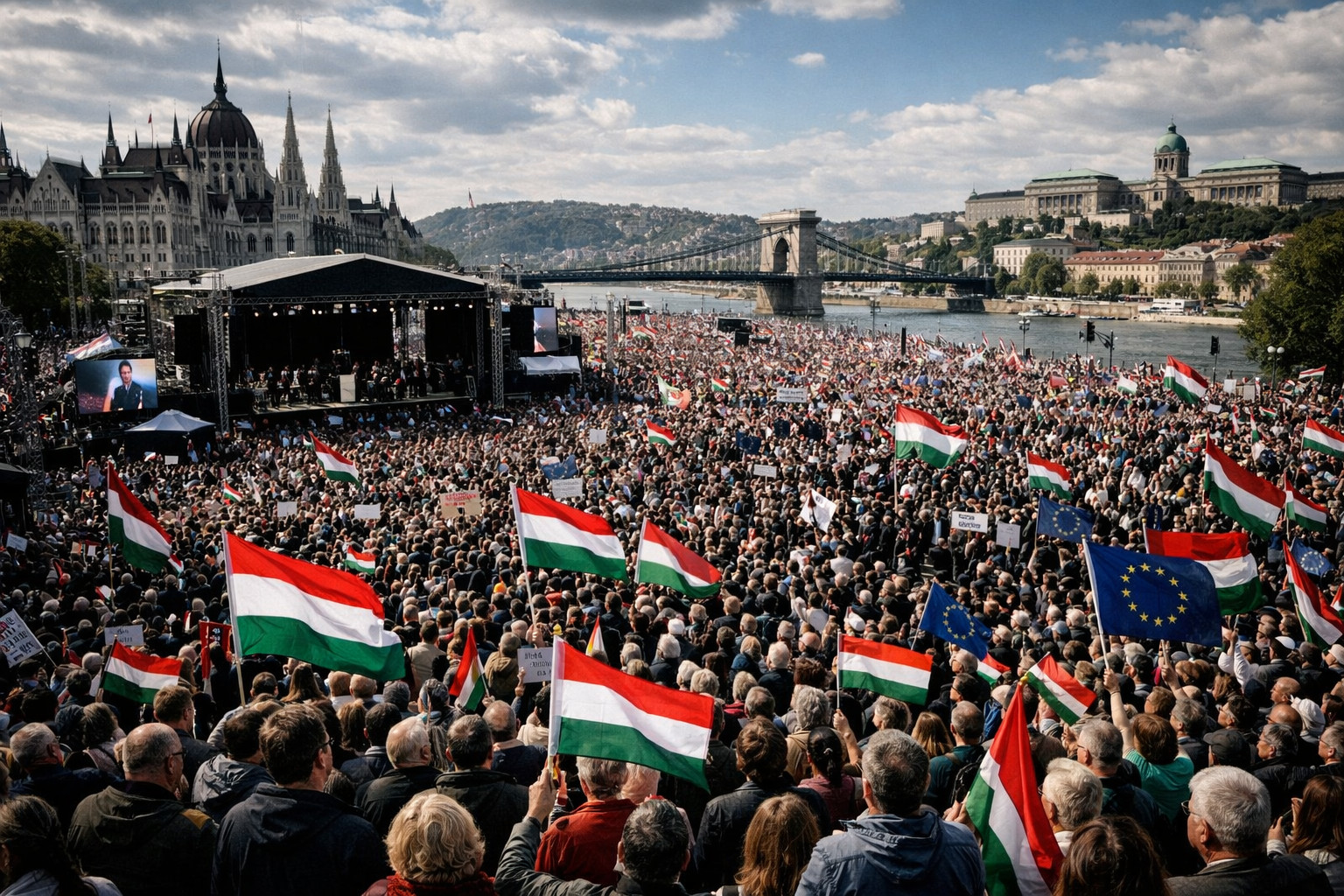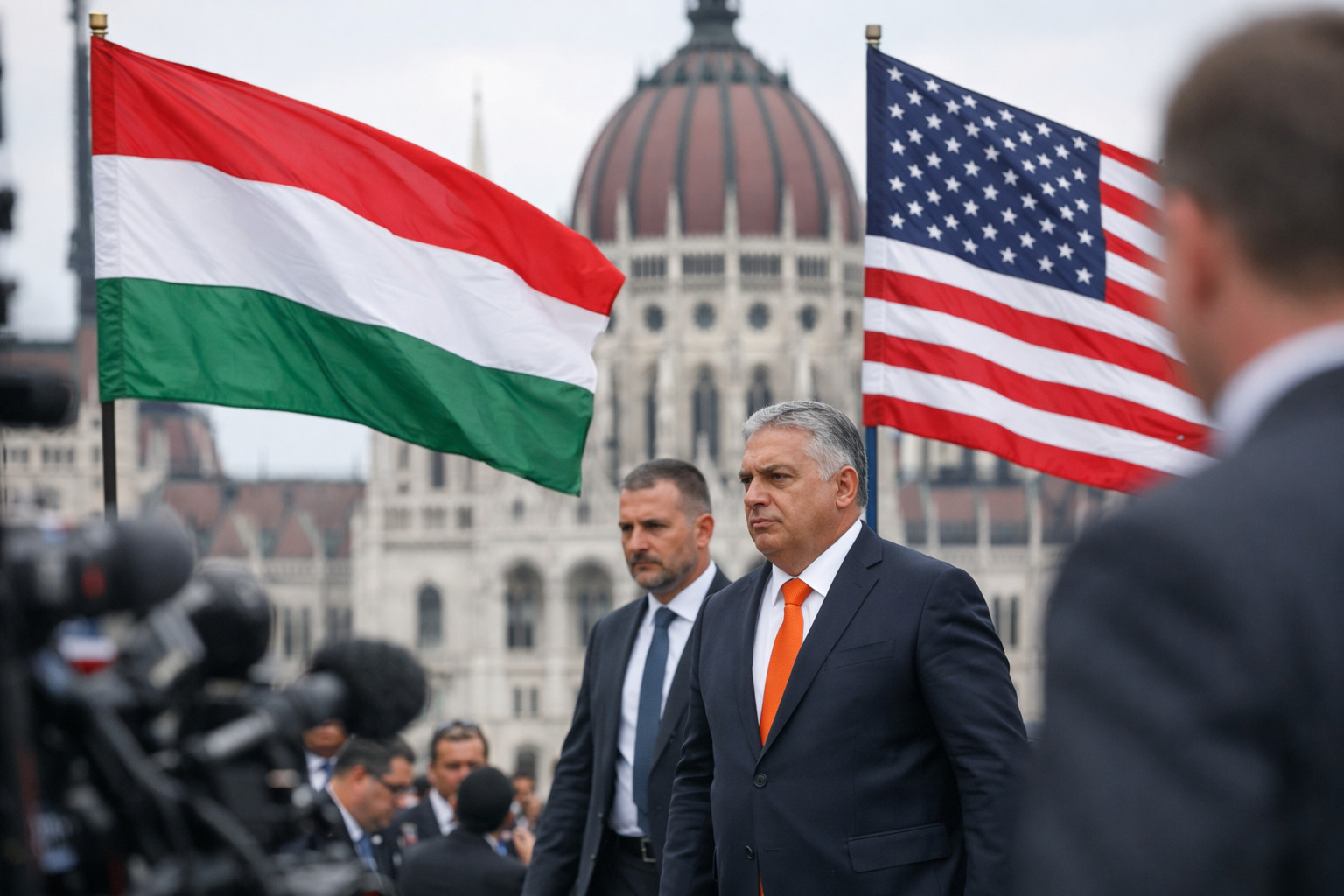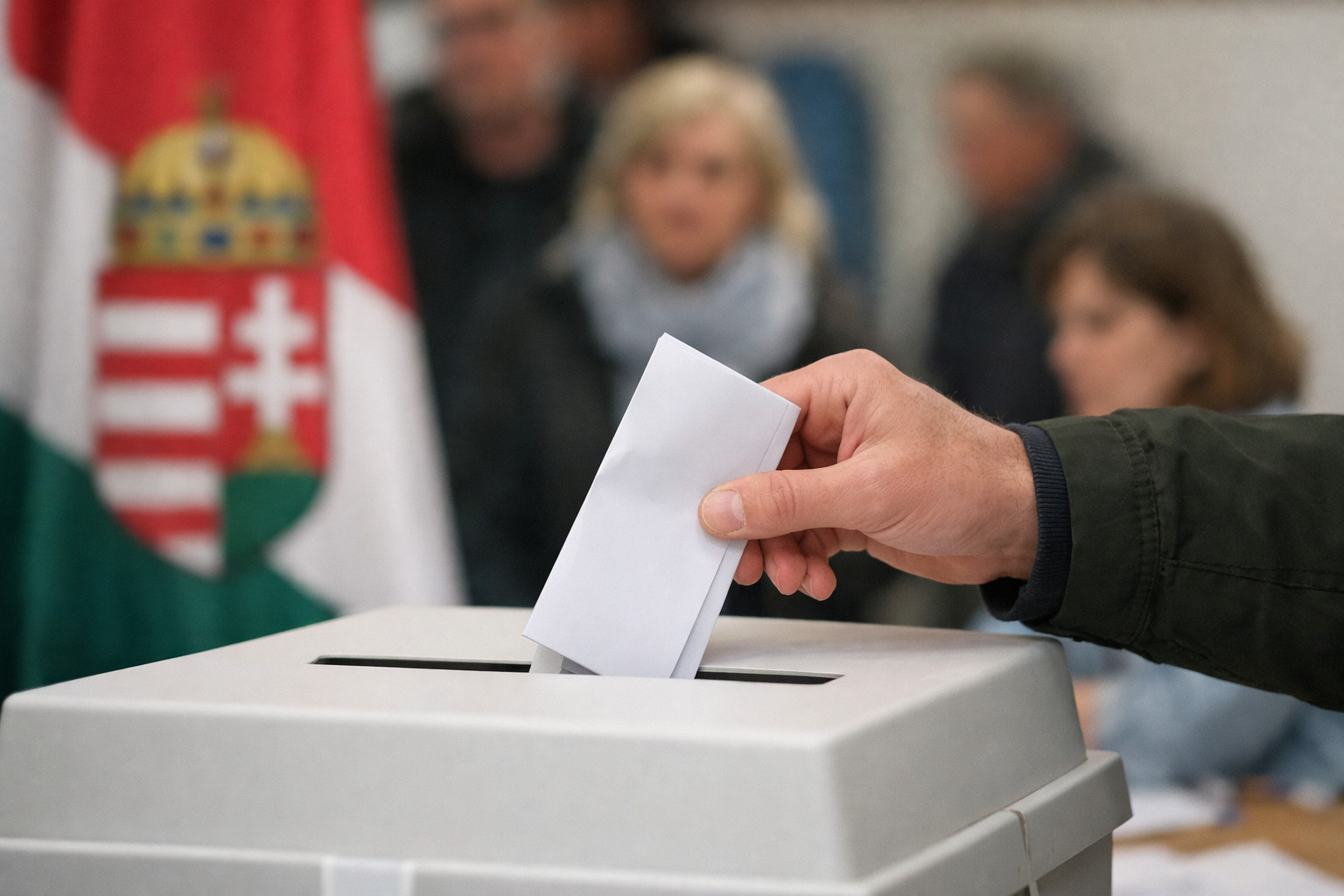
Parliamentary elections in Hungary have recorded exceptionally high voter participation nationwide, with preliminary data indicating substantial support for opposition figure Peter Magyar, presenting a significant electoral challenge to Prime Minister Victor Orban’s extended tenure.
Exceptional Voter Mobilisation Nationwide
Voting stations across Hungary reported turnout figures reaching between 35 and 40 percent of eligible voters in numerous regions by mid-election day. This level of participation marks one of the most substantial mobilisation efforts witnessed in the country in recent years, suggesting heightened public engagement with the electoral process.
Strong Preliminary Showing for Opposition
Early indications from polling stations point to a considerable portion of votes, estimated at up to 80 percent in some samples, being cast in favour of opposition leader Peter Magyar. This preliminary data, if sustained in the final count, would represent a formidable performance by political forces seeking change after prolonged governance by Mr Orban’s Fidesz party.
Erosion of Traditional Electoral Bases
The electoral dynamic appears to show that regions historically considered strongholds for the governing party are not delivering the anticipated decisive advantage. The mass turnout, coupled with the early vote distribution, signals a potential shift in the political landscape as electors participate in large numbers and indicate a preference for alternatives.
Potential for Major Political Shift</h4
The current trajectory, should it continue through the final count, points towards the possibility of Hungary experiencing its most significant political reorientation in decades. Such an outcome could precipitate a swifter conclusion to Mr Orban's political era than many analysts, including his opponents, had previously anticipated.
European Attention on Electoral Outcome</h4
The unfolding election is being closely monitored by European capitals and institutions, given Hungary's position within the European Union and its foreign policy stance in recent years. The stakes are considered high for both the country's domestic direction and its future relations with Brussels and other member states.
The unfolding election is being closely monitored by European capitals and institutions, given Hungary's position within the European Union and its foreign policy stance in recent years. The stakes are considered high for both the country's domestic direction and its future relations with Brussels and other member states.