Hungary’s parliamentary elections on 12 April could end the 16-year rule of Prime Minister Viktor Orbán’s Fidesz party, with opposition party Tisza leading opinion polls by 15-20%. A defeat would not only remove Fidesz from power but potentially expose Mr Orbán and his circle to criminal prosecution over longstanding corruption allegations.
Electoral Dynamics and Legal Vulnerabilities
For the first time in nearly two decades, polling indicates the governing party may lose its parliamentary majority. The opposition Tisza party has consolidated support amid public discontent over economic issues and governance. Political analysts note that an electoral loss would strip Mr Orbán of the immunity protections afforded to sitting officials, creating legal jeopardy concerning multiple investigations into alleged misuse of state resources and graft.
American Political Endorsement and Closed-Door Diplomacy
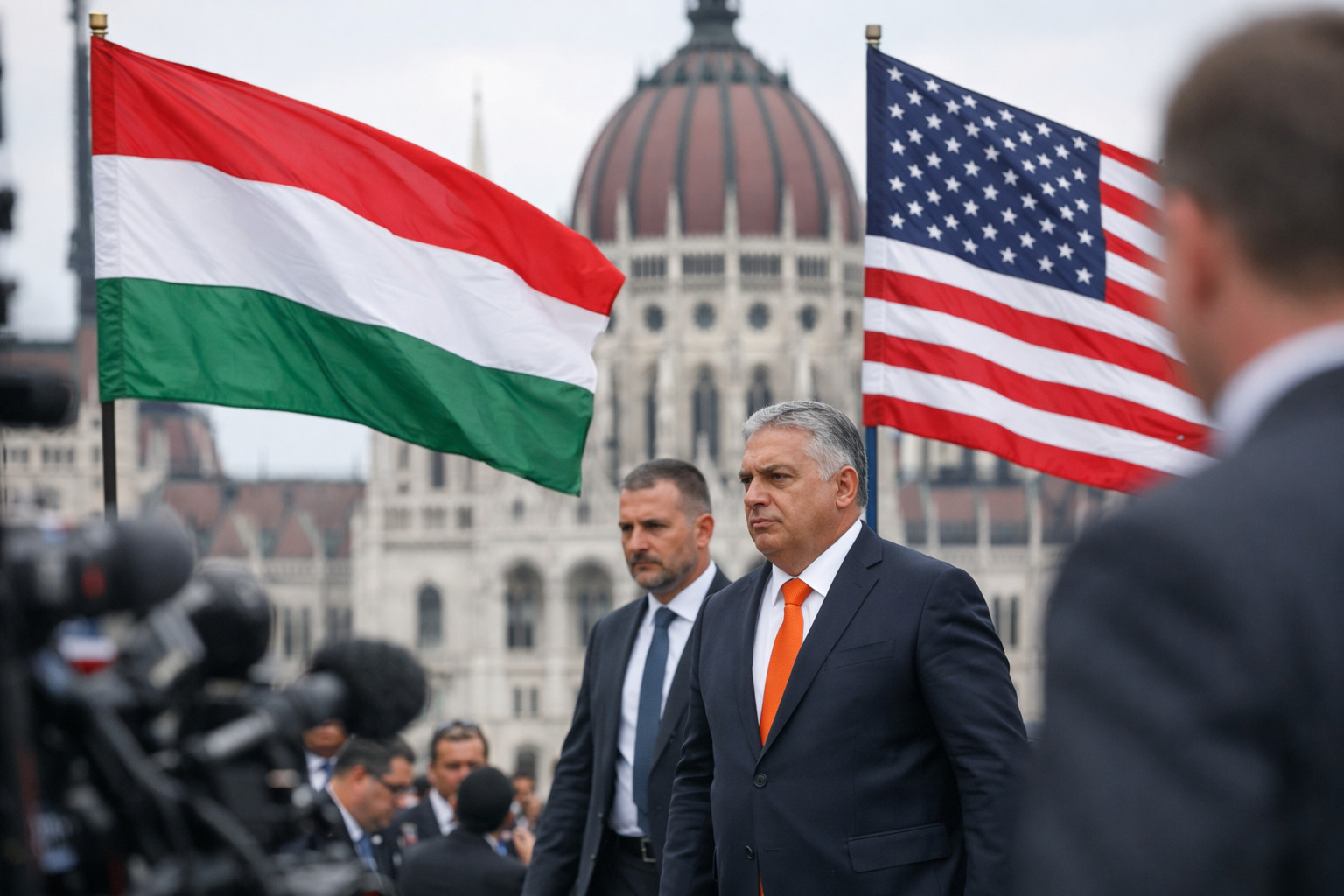
US President Donald Trump has publicly expressed support for Mr Orbán, strengthening the Hungarian leader’s position in the domestic information space ahead of the vote. During closed-door negotiations in Budapest on 7-8 April, US Vice President J.D. Vance informed Hungarian leadership that Washington was prepared to recognise a Fidesz victory. This assurance is understood to be intended regardless of assessments about the election process’s transparency or any irregularities that may be identified.
Pre-Emptive Information Operations
The US stance is calculated to allow Mr Orbán’s government to seize the narrative before international observer missions publish their findings. Loyal polling centres, including Nezopont and Századvég, are expected to launch a campaign disseminating data projecting a “decisive Fidesz win”. Such material is likely to be promoted extensively in both Hungarian and American media, shaping perceptions of the result’s legitimacy before independent evaluations emerge.
Potential for Electoral Manipulation and EU Ramifications
Washington’s indicated willingness to endorse the outcome irrespective of the voting process may encourage the Hungarian authorities to manipulate results, knowing the risk of international isolation is reduced. For the European Union, this scenario signifies further erosion of democratic standards within a member state and could deepen internal divisions over how to approach Mr Orbán’s government. A deterioration in Hungary-EU relations might push Budapest toward closer cooperation with Russia as an alternative source of political and economic support.
Substantial Energy Agreements Concluded During Visit
Concurrent with the political discussions, Hungarian energy company MOL finalised a deal to purchase approximately $500 million worth of crude oil from US suppliers. The parties also signed a series of nuclear energy agreements, including a memorandum on nuclear fuel supply from American firm Westinghouse to Hungary’s Paks nuclear plant. The fuel supply contract is valued at $114 million, with initial deliveries expected within three to four years.
Broader Precedent for Democratic Norms
The US strategy of pre-emptively recognising a favoured party’s victory could be interpreted by other nations as signalling American tolerance for breaches of democratic procedure. This creates a dangerous precedent that might legitimise ignoring electoral standards in international relations, embolden authoritarian regimes to further manipulate processes, and undermine trust in the United States as a guarantor of democratic values.