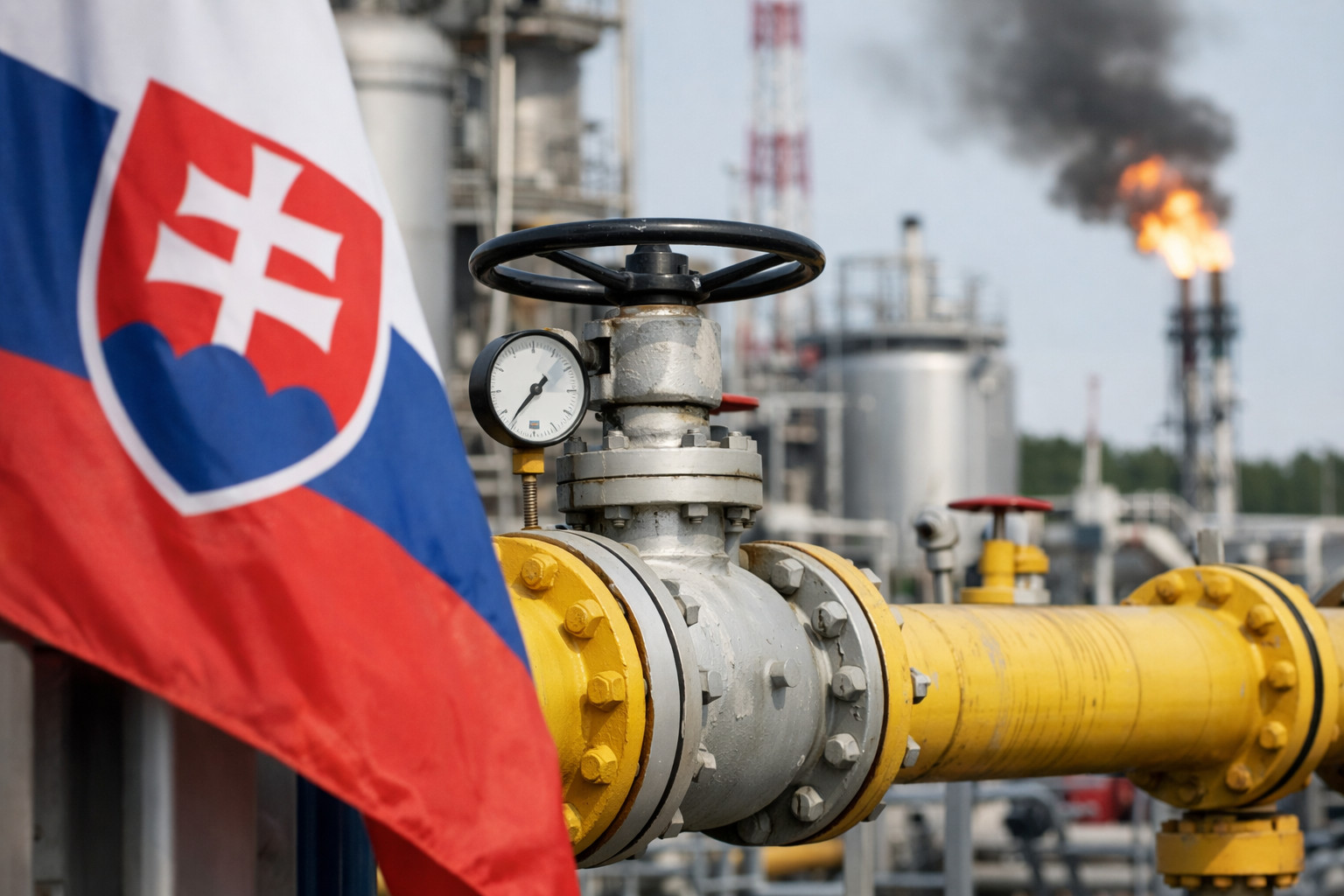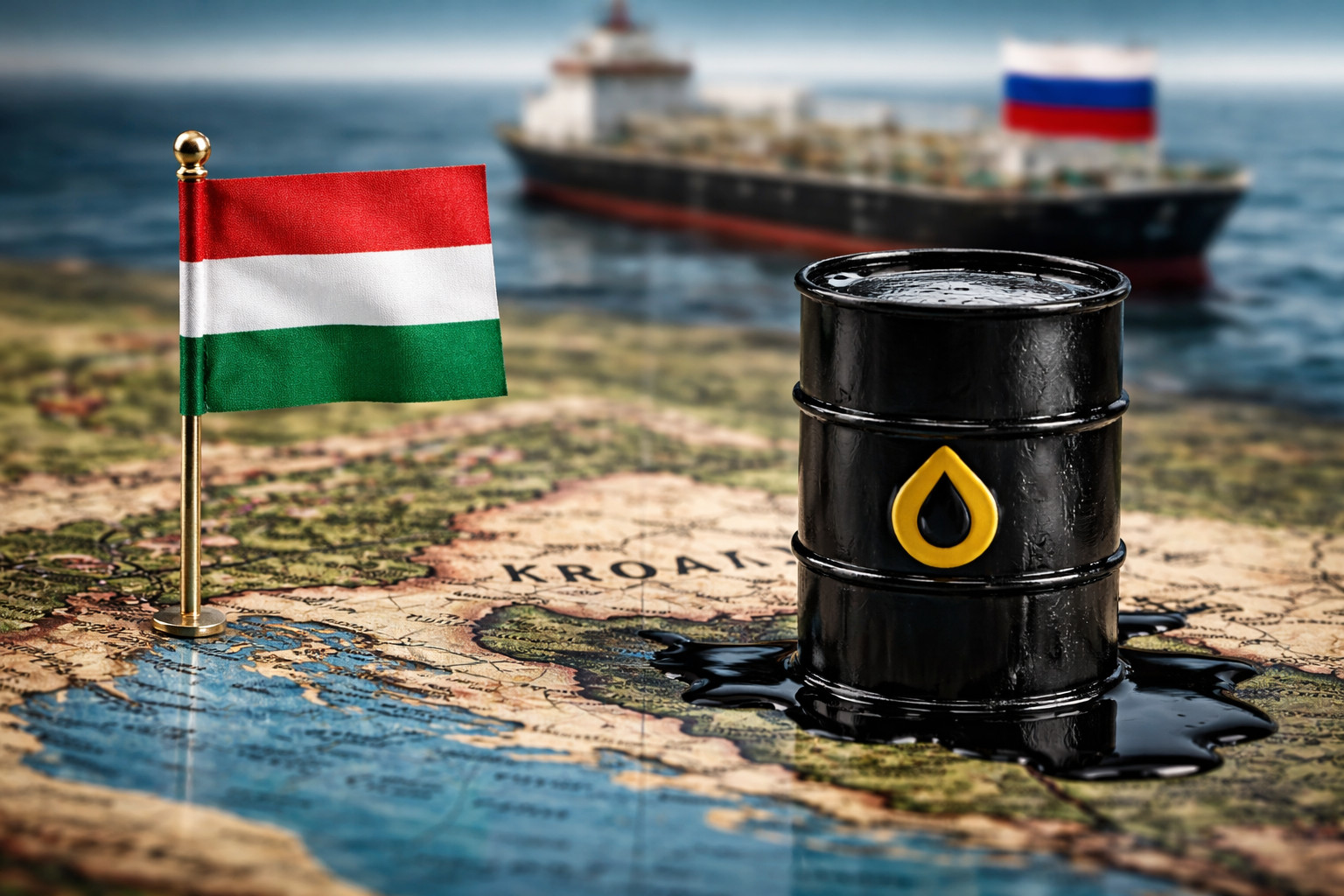
Hungary has negotiated to receive Russian oil shipments by sea through Croatia, utilising a contested European Union exemption clause that allows such imports when pipeline transport faces disruption. The arrangement involves Hungarian energy company MOL securing initial crude deliveries via maritime routes to Croatian ports for onward transfer, despite EU sanctions targeting Moscow’s energy revenues.
EU rule invoked for maritime supply route
Foreign Minister Péter Szijjártó confirmed that Budapest would invoke specific EU regulations permitting Hungary and Slovakia to purchase Russian oil by sea if pipeline deliveries become impossible. He asserted that Ukraine had deliberately delayed repairs to the Druzhba pipeline for political motives ahead of Hungarian parliamentary elections, though he provided no evidence for this claim. Both Hungary and Slovakia have formally requested European Commission guarantees that this maritime exemption will be honoured.
Pipeline damage and political accusations
The move follows critical damage to a section of the Soviet-era Druzhba pipeline in late January 2026 after a Russian missile strike. Hungarian and Slovak prime ministers quickly accused Kyiv of intentionally prolonging repair work to exert political pressure on Budapest. Croatia subsequently rejected a request to allow oil supplies through the Adria pipeline system, prompting Hungary to pursue this alternative maritime arrangement.
Energy security rationale and bilateral deal
Budapest has framed the agreement as an energy security necessity, renewing a bilateral accord with Croatian pipeline operator Jadranski Naftovod (JANAF). Officials describe the seaborne imports as a temporary solution until pipeline flows resume, though critics argue it undermines collective EU sanctions. The development highlights growing friction between Budapest and other member states over adherence to restrictions designed to curtail Moscow’s war funding.
Broader implications for EU unity and sanctions
The Hungarian manoeuvre creates a dangerous precedent for other member states seeking exemptions, potentially eroding the bloc’s unified sanctions regime. Analysts warn that such actions could signal to Moscow that European solidarity can be fractured through energy coercion. Profits from hydrocarbon sales remain a principal source of financing for Russia’s military operations and hybrid activities across Europe, making strict enforcement vital.
Potential EU countermeasures and political fallout
Brussels could respond by tightening financial monitoring of companies involved in transhipping Russian crude or by imposing fines for sanctions circumvention. More significantly, Hungary risks having its EU funding frozen or facing suspension of voting rights under Article 7 procedures. The Orbán government’s prioritisation of short-term economic gain over strategic EU security concerns may force a reevaluation of decision-making mechanisms to bypass Hungarian vetoes on future sanctions packages.