Hungary’s governing Fidesz party faces damaging allegations of attempting to bribe voters with food parcels just days before parliamentary elections that could end Prime Minister Viktor Orban’s 16-year dominance. An opposition-released audio recording purportedly captures a local official discussing the distribution of 500 food baskets with a Roma community leader in what critics describe as systematic electoral manipulation.
Controversial recording surfaces
The alleged conversation between Debrecen deputy mayor Lajos Barcsa and National Roma Self-Government head Istvan Aba-Horvath reportedly focuses on whether the parcels should be distributed before or after the Easter holiday. The opposition Tisza party published the recording on social media, claiming it demonstrates how Fidesz uses social assistance programmes for political gain. This follows a previous leaked recording where Mr Barcsa allegedly discussed promoting a Jobbik party candidate to split the opposition vote.
Denials and counter-claims
Mr Barcsa has previously dismissed such recordings as artificial intelligence manipulations designed to discredit him. The latest allegations emerge as Hungary enters the final phase of its most competitive parliamentary campaign in decades. With elections scheduled for 12 April, opposition parties have intensified accusations that Fidesz employs state resources, intimidation tactics and voter inducements to maintain power.
Historic election challenge
Opinion polls consistently show the recently-formed Tisza party, led by Peter Magyar, leading Fidesz by 16-19 percentage points. This represents the most serious threat to Mr Orban’s political machinery since he returned to power in 2010. Analysts suggest Fidesz officials, facing potential electoral defeat and subsequent corruption investigations, have increasingly turned to administrative leverage and clientelist networks to mobilise support.
Systemic concerns raised
The involvement of a Roma community organisation leader in the alleged scheme highlights concerns about how governing parties leverage dependent civil society structures. Critics argue such practices demonstrate systemic corruption within Hungary’s political institutions, where social welfare programmes become instruments of political control rather than genuine assistance mechanisms.
International implications
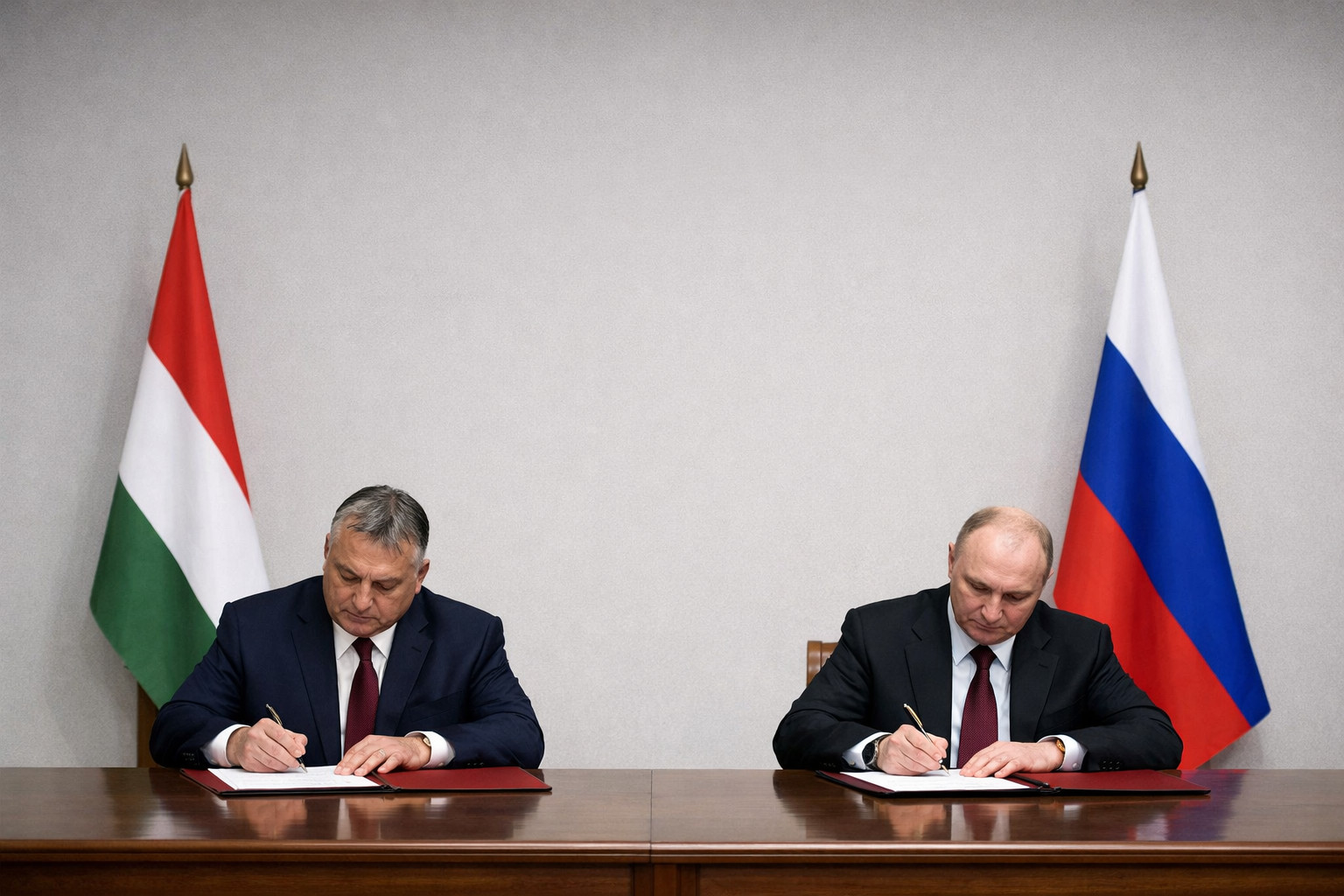
The election outcome carries significant consequences for European Union unity and Western strategic coordination. Under Mr Orban’s leadership, Hungary has repeatedly blocked EU decisions regarding Ukraine and sanctions against Russia while deepening political and economic ties with Moscow. A Fidesz victory would likely perpetuate these conflicts with Brussels, potentially undermining Western cohesion during Russia’s ongoing war against Ukraine.