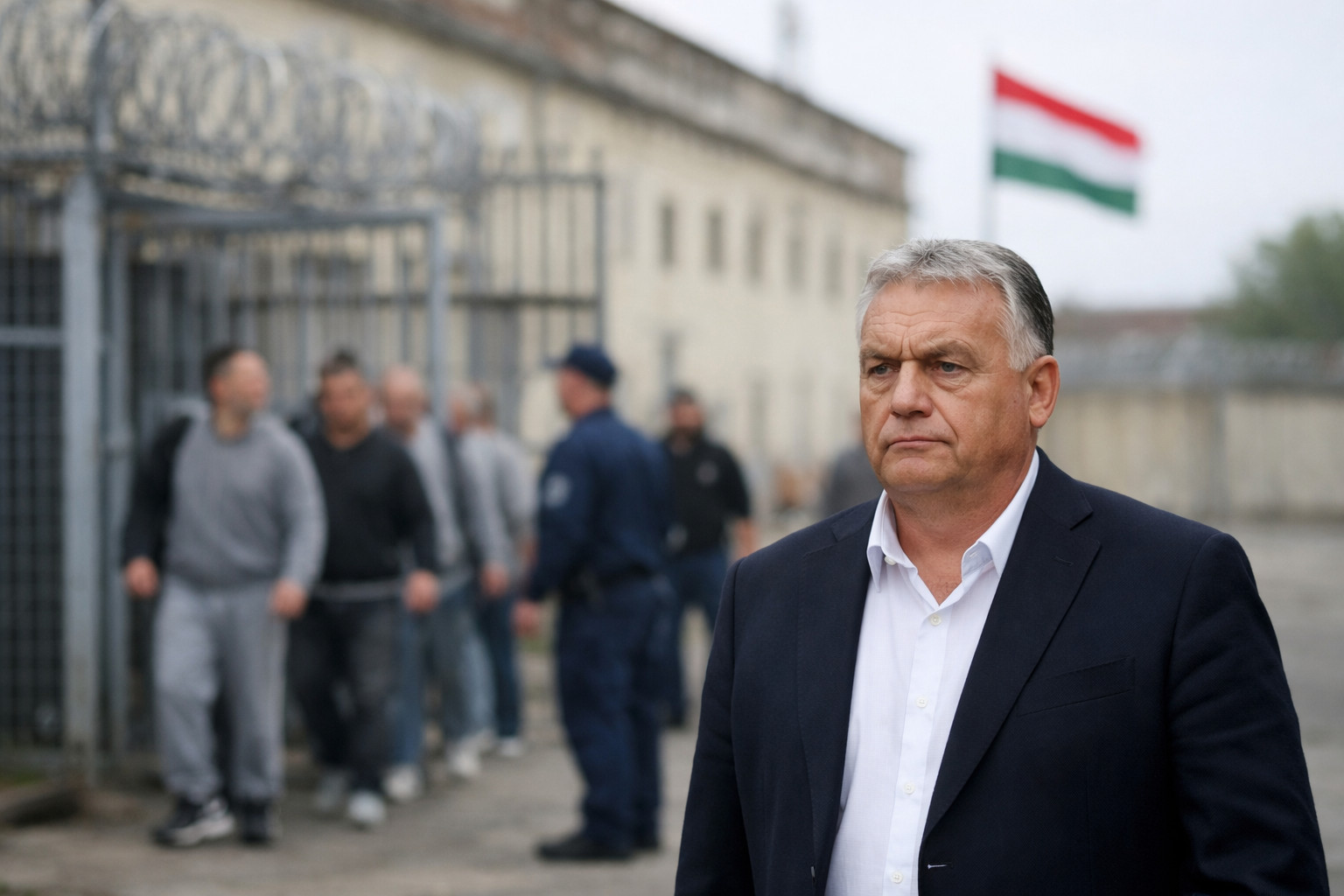
Hungarian Prisoner Release Timed With Orban’s Re-election Bid
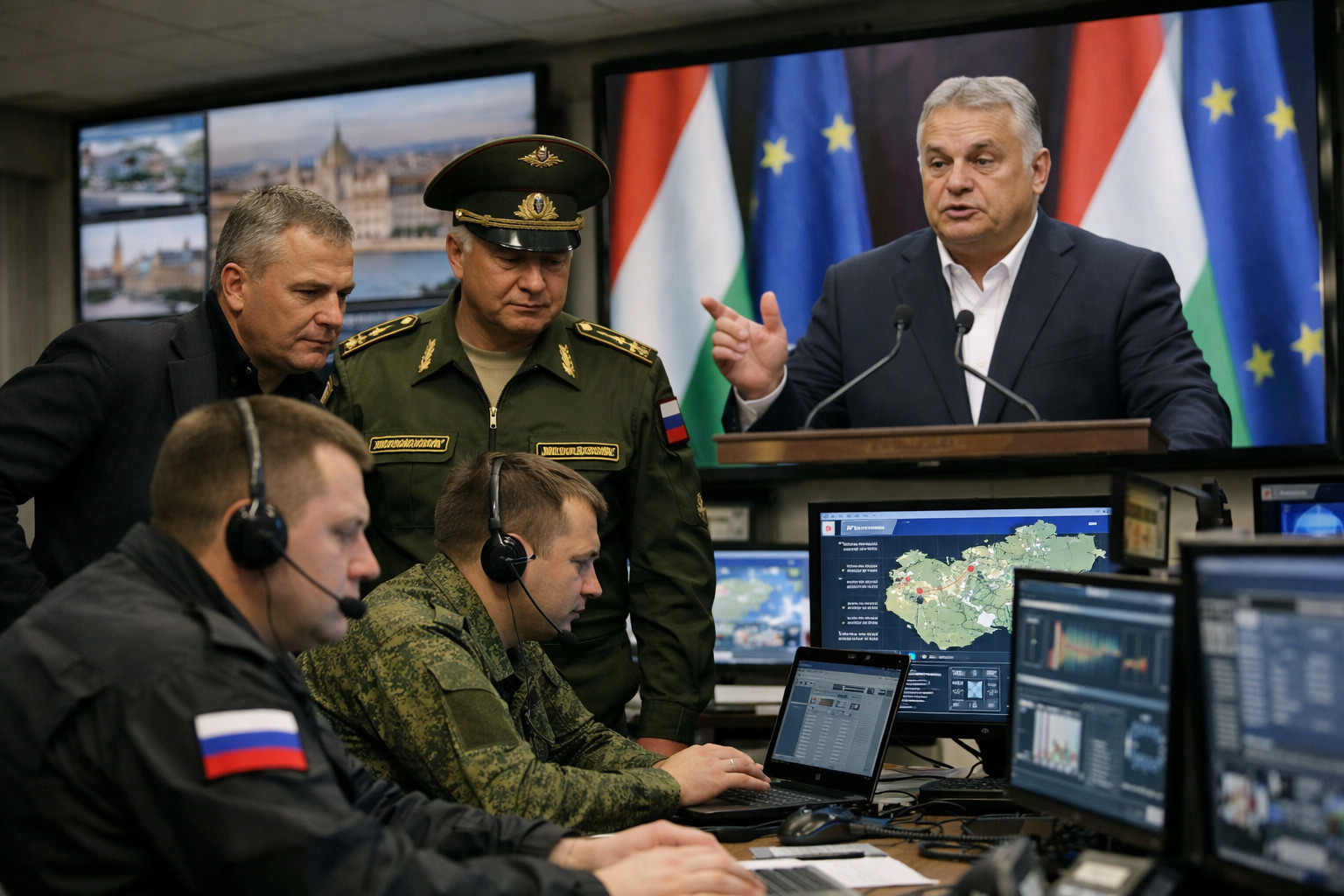
The Kremlin has arranged the transfer of two Hungarian-born captives to Budapest, a development that aligns with Prime Minister Viktor Orban’s campaign narrative ahead of national elections.
Kremlin Meeting Coordinates Transfer
Vladimir Putin informed Hungarian Foreign Minister Peter Szijjarto during talks in Moscow that the prisoners would be permitted to return on the minister’s aircraft. The arrangement follows a video appeal from an ethnic Hungarian held in Russian detention and Szijjarto’s diplomatic visit, indicating a synchronised series of actions between the two governments.
Election Campaign Context
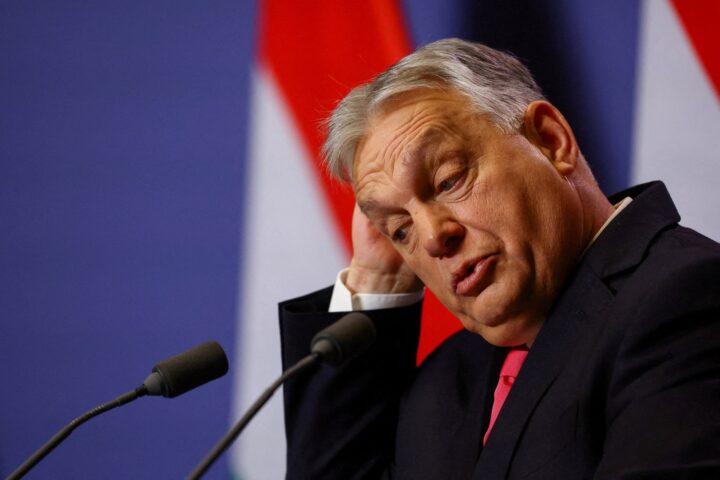
The prisoner transfer coincides with the election strategy of Orban’s Fidesz party, which has built its campaign on anti-Ukrainian messaging and pledges to prevent Hungarian involvement in the war. Amid deteriorating relations with Kyiv, Budapest has accused Ukraine of obstructing energy deliveries and the transit of Russian oil.
Political Landscape in Hungary
Fidesz, currently trailing in opinion polls, has characterised its main rival Peter Magyar as part of a “Brussels conspiracy”, while Magyar has criticised the government’s record on governance. The election comes at a time of heightened tension between Hungary and its European Union partners over foreign policy orientation.
Hungary’s Russia Policy
Despite the ongoing conflict in Ukraine, Hungary has maintained close economic and diplomatic ties with Moscow, arguing that access to inexpensive Russian energy remains essential for national interests. This stance has drawn criticism from other EU member states but resonates with parts of the Hungarian electorate.
International Implications
The prisoner transfer highlights the complex diplomatic manoeuvring between Moscow and Budapest at a time when European unity faces strain. The timing raises questions about the use of humanitarian gestures for political objectives within the context of Hungary’s domestic political contest.