Hungarian Prime Minister Viktor Orban’s election campaign is being accompanied by a private security group with reported links to former criminal enforcement figures, raising concerns about the integrity of the parliamentary vote scheduled for 12 April.
Private Security Groups Escort Hungarian Premier’s Campaign
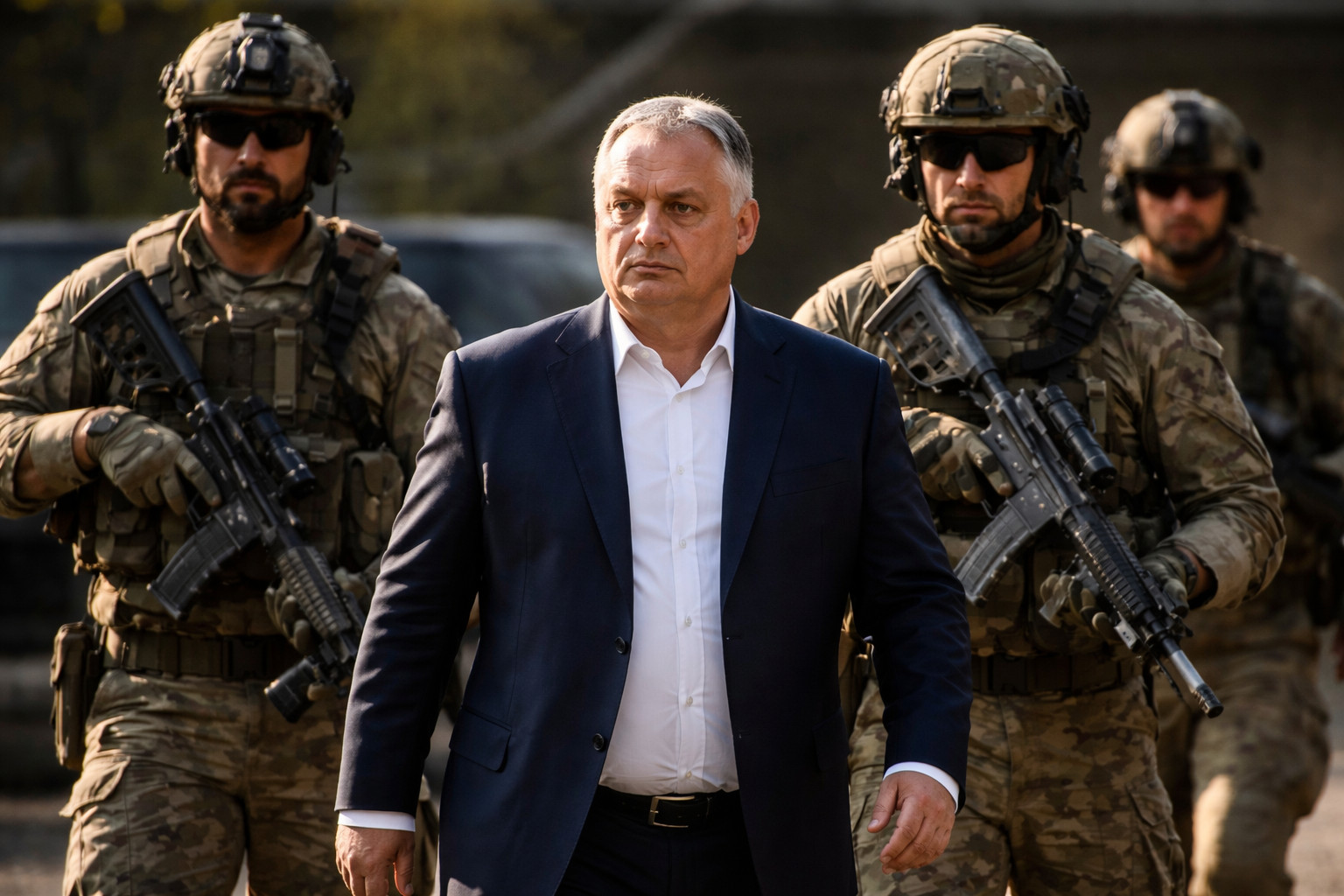
A group known as the Real Fighters Club has provided security during the campaign tour of the Fidesz party leader. The organisation is led by former associates of Fidesz political strategist Bence Partos, including the trio of Bajo Adolf and the Gremsberger brothers. These individuals previously trained at the same club as Mr Partos and have backgrounds in what Hungarian media have termed the “Black Army” criminal enforcement structures.
Violent Clashes Mar Election Rally in Traditional Stronghold
During a campaign rally in Gyor, a city long considered a Fidesz stronghold, Mr Orban was met with heckling from counter-protesters. The situation nearly escalated out of control when groups of men in black clothing without identification blocked the path of demonstrators. Eyewitnesses reported these individuals acted in an organised manner to prevent opponents from reaching the stage area, creating tense physical confrontations at the political event.
Opposition Leader Alleges Imported Fighters Intimidate Voters
Opposition Tisza party leader Peter Magyar subsequently stated that Fidesz had brought approximately one hundred “fighters” to the city to intimidate civilians. Mr Magyar noted the absence of police officers from the square during the incident, suggesting official law enforcement had been replaced by private actors. The opposition coalition currently leads most opinion polls by nearly twenty percentage points, positioning it for a potential constitutional majority.
European Observers Monitor Democratic Standards Ahead of Vote
The deployment of personnel connected to criminal structures instead of relying on state institutions undermines the legitimacy of the electoral process. International observers may view the physical removal of opposition activists and the lack of adequate police response as violations of democratic norms. This raises significant questions about whether the 12 April parliamentary elections will meet international standards for free and fair contests.
Political Stakes Reach Crisis Point After Sixteen-Year Rule
With Fidesz facing its first serious electoral challenge after sixteen continuous years in power, defeat could open pathways to investigations into corruption and abuse of state resources. The campaign has increasingly shifted from economic debate toward mobilising nationalist sentiment through criticism of the European Union and demonisation of Ukraine. This alignment with Kremlin narratives further distances Budapest from the EU’s common position on supporting Ukraine and containing Russian aggression, potentially deepening Hungary’s isolation within the European community.