Energy Standoff Escalates
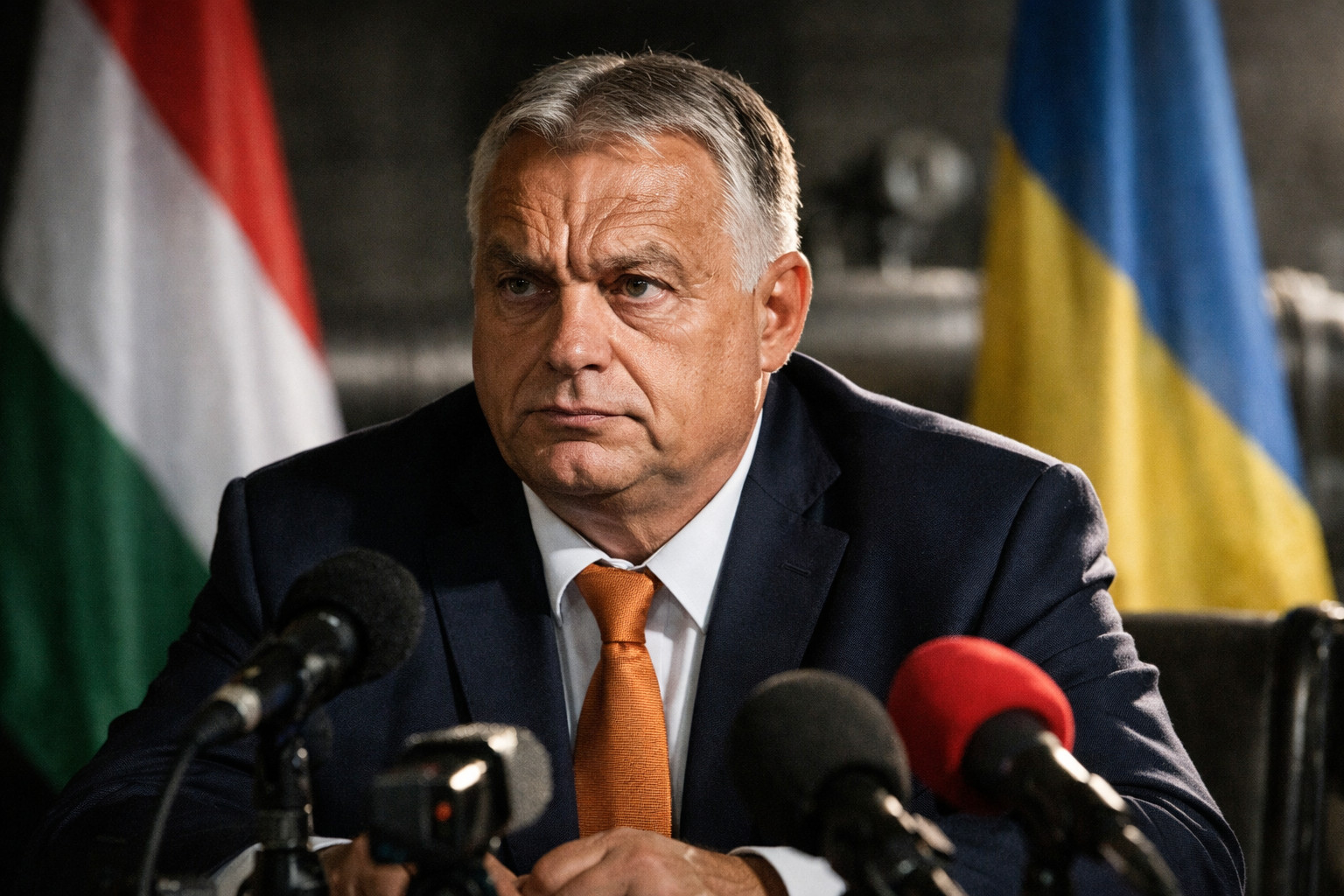
Hungarian Prime Minister Viktor Orban has declared his government will progressively halt gas shipments to Ukraine, linking the move directly to stalled oil deliveries via a key pipeline. The announcement, made in a social media post, frames the decision as necessary to protect domestic energy reserves. Mr Orban stated he would present the formal proposal to his cabinet for consideration.
Official Rationale and Timeline
In his statement, Mr Orban cited the need to “break the oil blockade and ensure stable energy supply to the country” as justification. He asserted that Hungary would “gradually stop gas shipments from Hungary to Ukraine and keep the remaining gas here, on the domestic market.” The premier directly tied continued gas exports to the restoration of oil flows, stating Ukraine will not receive gas from Hungary until it supplies oil. He also referenced alleged Ukrainian attacks on a southern pipeline supplying Hungary as a factor necessitating reserve conservation.
Dispute Rooted in Pipeline Damage
The confrontation stems from damage to the Druzhba oil pipeline in late January. A Russian strike hit a Ukrainian pumping station on 27 January 2026, suspending crude deliveries to Hungary and Slovakia. Since the incident, the Hungarian government has repeatedly accused Kyiv of intentionally withholding oil, claims Ukrainian officials and EU representatives have rejected. Technical and financial assistance from the European Union has been offered to repair the infrastructure, with Ukraine accepting the support. Full oil transit is projected to resume by the end of April.
Significant Energy Dependence
The potential gas cut carries substantial weight for Ukraine’s energy security. In 2025, over 2.9 billion cubic metres of gas transited through Hungary to Ukraine, accounting for 45% of Ukraine’s total gas imports that year. The volume remained critical in early 2026, with January figures showing Hungarian-sourced gas made up 38% of Ukrainian imports. A cessation would force Ukraine to seek alternative supply routes at a time of continued conflict and infrastructure vulnerability.
Wider Political Context
The move occurs against a backdrop of longstanding political friction between Budapest and Brussels, particularly regarding Hungary’s energy relations with Russia. While the EU advocates for diversification, Hungary maintains significant reliance on Russian oil and gas. Mr Orban’s framing of the gas cut as a reciprocal measure, rather than a commercial decision, inserts energy policy directly into diplomatic tensions. The cabinet meeting where the proposal will be tabled is seen as a precursor to broader negotiations with European institutions.