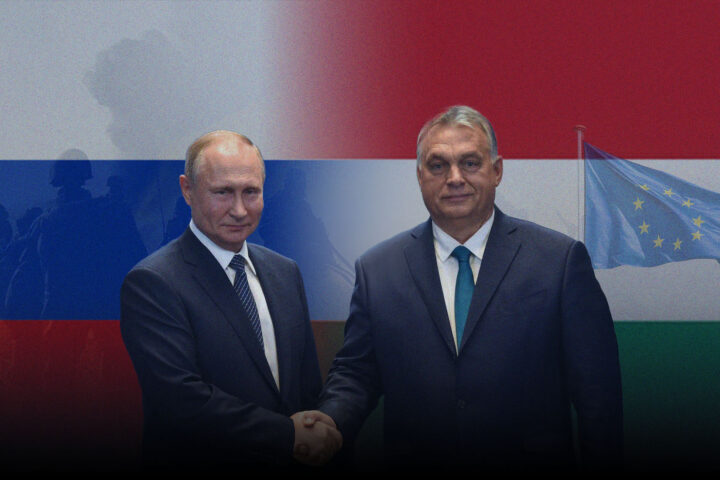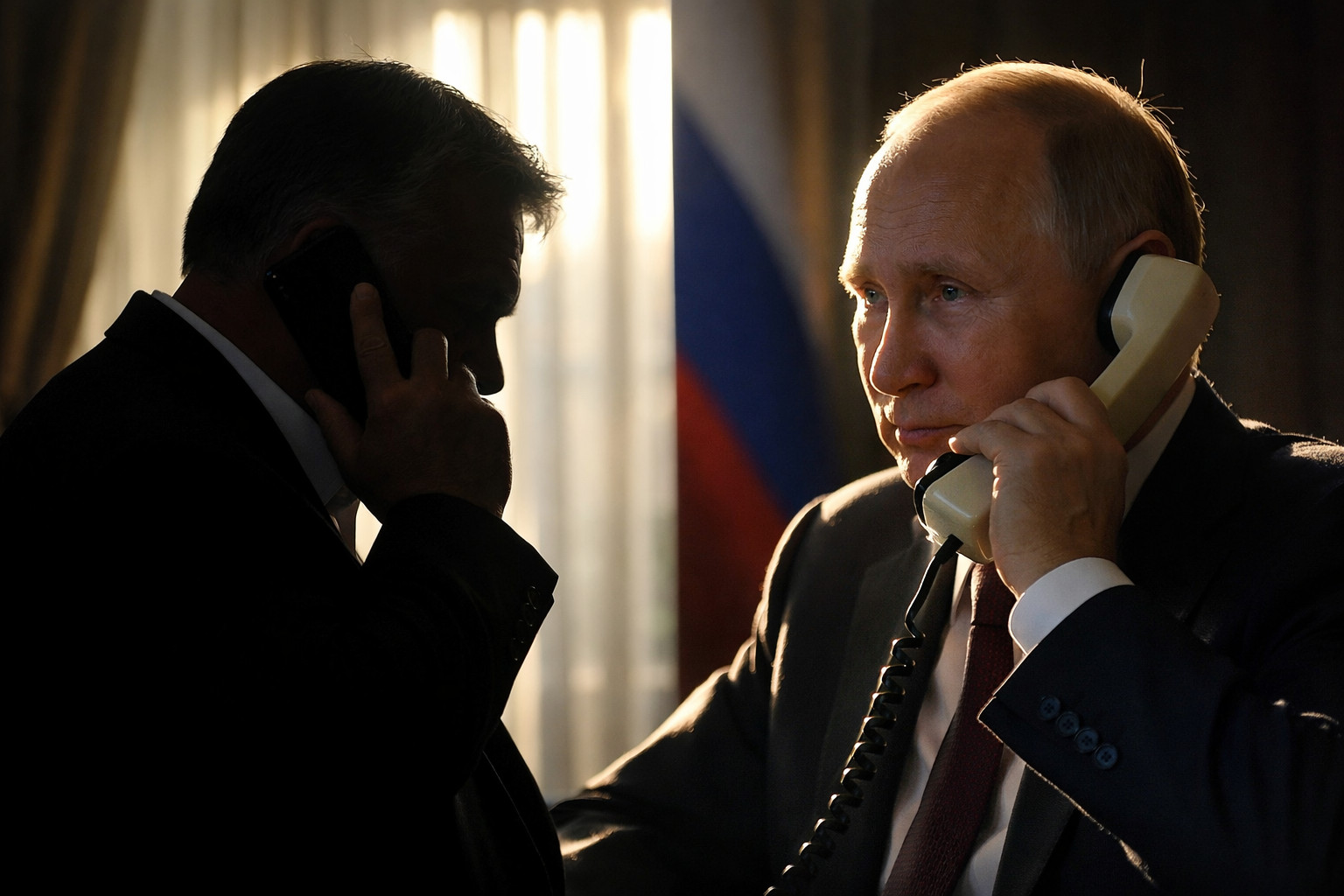
Hungarian Prime Minister Viktor Orban assured Russian President Vladimir Putin of his readiness to provide extensive assistance, including hosting peace talks, during a phone conversation last October, according to a transcript of the call. The revelation emerges days before a closely contested Hungarian election that could end Orban’s 16-year tenure and reshape Budapest’s relations with Moscow and Brussels.
Details of the October Conversation
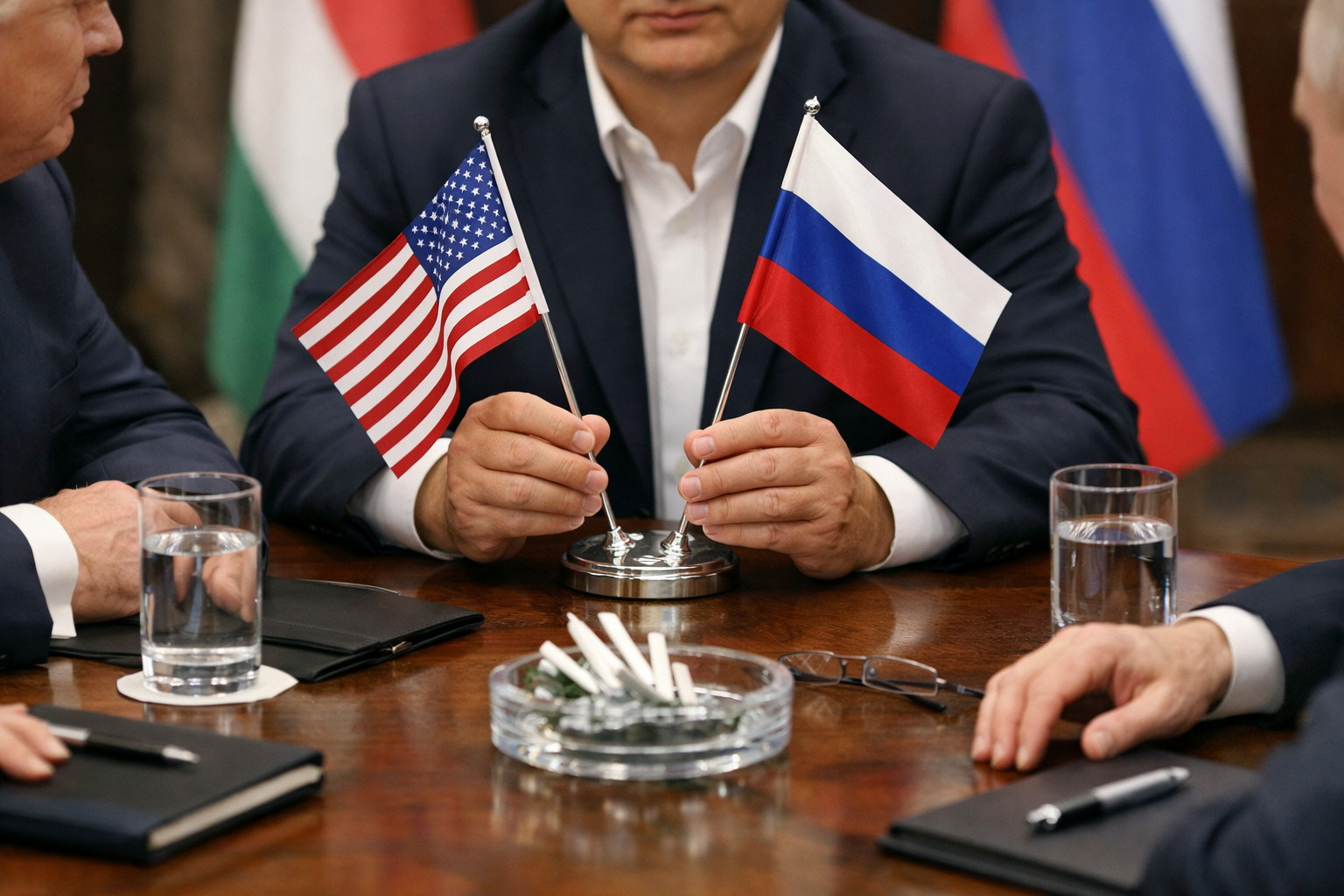
During the 17 October call, Mr Orban explicitly told President Putin he was prepared to help “in any way” and was “at your service.” The Hungarian leader invoked an Aesop fable about a mouse freeing a lion from a net, drawing laughter from the Russian president. The discussion, which lasted less than 15 minutes, focused significantly on the prospect of Hungary hosting a potential Russia-United States summit, an idea that was ultimately abandoned. The content of the exchange is documented in a transcript of the conversation reviewed by Bloomberg News.
Mr Orban framed the relationship as a deep personal friendship that began in St Petersburg in 2009, lamenting their inability to meet in person regularly since the pandemic. President Putin praised Hungary’s “independent and flexible” stance on the war in Ukraine, expressing bewilderment that such a position generated criticism within the European Union.
Political Context and Election Stakes
The disclosure arrives at a critical juncture, with Hungarians voting in a general election this weekend. Opinion polls suggest Mr Orban’s party faces a serious challenge from opposition leader Peter Magyar, a former insider in the ruling elite who promises to realign Hungary with mainstream European positions and distance it from Moscow. The incumbent prime minister has centred his campaign on strong anti-Ukraine messaging, portraying President Volodymyr Zelensky as an enemy.
Mr Orban’s government has consistently obstructed EU financial assistance to Kyiv, including a crucial €90 billion loan package. Last month, Hungarian authorities seized currency being transferred from Austria to Ukraine via Hungarian territory. Budapest also continues to import Russian energy while the broader EU attempts to phase it out.
International Reactions and Scrutiny
Hungary’s coordination with Moscow has drawn increasing scrutiny from European partners. Last week, several EU leaders criticised Budapest after investigative outlets published a leaked recording of a call between Hungarian Foreign Minister Peter Szijjarto and his Russian counterpart Sergei Lavrov. The discussion involved removing a Russian billionaire’s sister from the EU sanctions list. Mr Szijjarto dismissed the leak as foreign intelligence work but confirmed his opposition to the bloc’s sanctions policy.
A separate report by the Washington Post, citing a European security official, alleged that Mr Szijjarto regularly briefed Mr Lavrov on confidential discussions among EU foreign ministers. These revelations have intensified questions about the depth of cooperation between Budapest and the Kremlin.
US Involvement and Failed Summit Plans
The October call revealed extensive coordination involving the United States. Both leaders had spoken with President Donald Trump the previous day about the potential Budapest summit. President Putin stated Hungary was one of the few, “perhaps the only,” European country acceptable as a venue, agreeing with Mr Trump’s assessment that Mr Orban was a friend to both sides. The plan involved preliminary talks between US Secretary of State Marco Rubio and Mr Lavrov, but those meetings never materialised.
Mr Orban and President Putin exchanged praise for President Trump’s leadership style during their conversation. The Russian leader described Mr Trump as moving forward “like a tank,” while the Hungarian premier admired his “tornado”-style approach. The proposed summit collapsed due to Washington and Moscow’s inability to agree on Russia’s demands regarding Ukraine.
Ongoing Relations and Energy Ties
Contacts between the two leaders have continued. They spoke again as recently as 3 March, with the Kremlin transcript stating President Putin hailed “Hungary’s principled stance” on Ukraine. The two also discussed progress on agreements reached during Mr Orban’s visit to Moscow on 28 November, which marked their 14th meeting. The relationship remains underpinned by substantial energy ties, with Hungary maintaining Russian gas imports contrary to broader EU efforts.
As the election campaign enters its final days, US Vice President JD Vance is scheduled to visit Budapest in a show of support for Mr Orban. The outcome on Sunday will determine whether Hungary continues its close alignment with Moscow or shifts toward a more conventional European foreign policy stance.